Learn Through Play

Explore biology through quizzes, flashcards, and scientific challenges.

View progress

Choose an activity

1441 source-linked questions
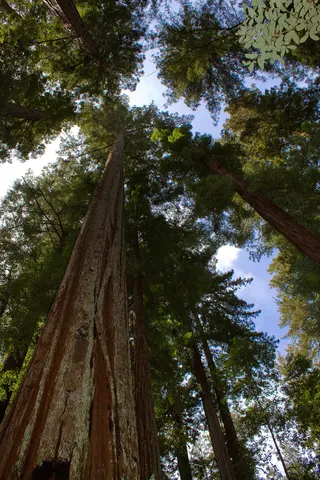
Source-identified Sequoia sempervirens; Documentary organism photograph; source identification retained.
Photo credit Brian Gratwicke from DC, USA · CC BY 2.0 Sequoia sempervirens Big Basin Redwoods State Park 1.jpg · Resized and converted to WebP for display. Documentary organism photograph; source identification retained.

Flashcards

Study illustrated decks and schedule your next review.
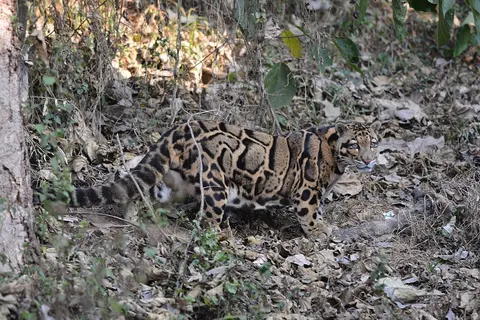
Source-identified Neofelis nebulosa; documentary image
Photo credit Dr. Raju Kasambe · CC BY-SA 4.0 Clouded Leopard Neofelis nebulosa by Dr Raju Kasambe.JPG · Resized and converted to WebP for display.

Match the Trait

Connect organisms to traits documented in the catalog.
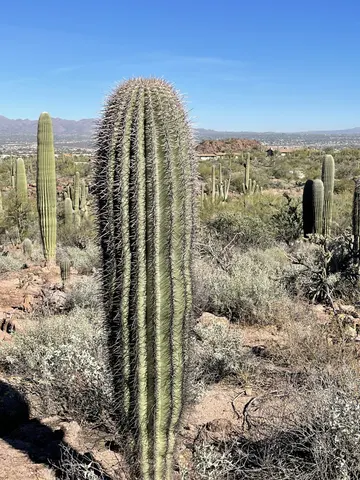
Source-identified Carnegiea gigantea; Source-identified documentary image; see the original file for method and context.
Photo credit CK Kelly · CC BY 4.0 Carnegiea gigantea 175181779.jpg · Resized and converted to WebP for display. Source-identified documentary image; see the original file for method and context.

Habitat Match

Match organisms to environments they use.
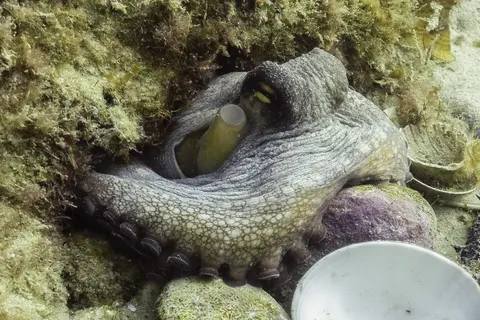
Source-identified Octopus vulgaris; Documentary organism photograph.
Photo credit Diego Delso · CC BY-SA 4.0 Pulpo común (Octopus vulgaris), Parque natural de la Arrábida, Portugal, 2020-07-31, DD 111.jpg · Resized and converted to WebP for display. Documentary organism photograph.

Memory Cards

Find matching photographs and learn the species names.
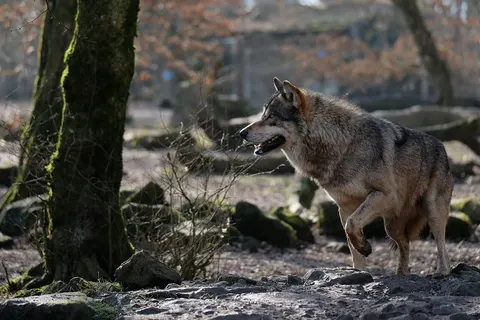
Source-identified Canis lupus; Documentary organism photograph.
Photo credit Musicaline · CC BY-SA 4.0 Loup gris commun DSCF1575.jpg · Resized and converted to WebP for display. Documentary organism photograph.

Food Web

Build the Yellowstone web, or explore feeding records from other ecosystems.
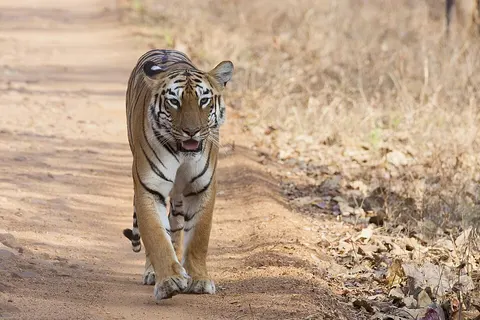
A Bengal tiger at Tadoba, India.
Photo credit Stephenekka · CC BY-SA 4.0 Wikimedia Commons photograph; resized for display.

Your Progress

Review your activity and pick up where you left off.

Read the evidence

A classification record tells you how a source places an organism. An observation tells you what happened at a particular place and time. An experiment tests a specific question under stated conditions. Each activity links to the evidence it uses.