 Living Beings
Food Web
Build the Yellowstone web, or explore feeding records from other ecosystems.
Switch activity
Who eats what?
Choose a species to trace the documented links. Each arrow points from food to consumer.
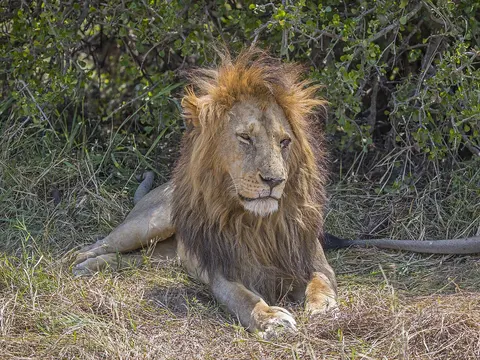
Lion Panthera leo

-
Plains zebraEquus quaggaLionRecorded prey
Diet records for reintroduced lions at Lapalala Wilderness, South Africa, included adult plains zebras in the 2019–2020 monitoring period.
Read the evidence -
Blue wildebeestConnochaetes taurinusLionRecorded prey
Researchers recorded adult blue wildebeest among prey of the lions monitored at Lapalala Wilderness.
Read the evidence -
African buffaloSyncerus cafferLionRecorded prey
Buffalo taken in the Lapalala Wilderness study were predominantly juveniles. This observation describes the monitored lions and prey available there.
Read the evidence
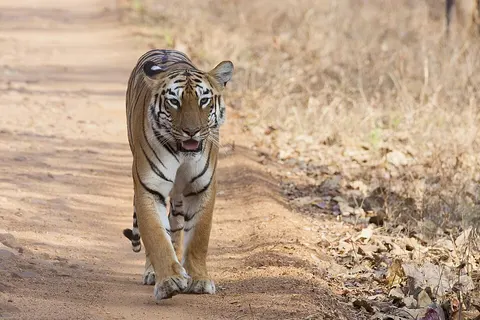
Tiger Panthera tigris

-
Wild boarSus scrofaTigerDiet record
A study of Bengal tiger scats in Chitwan National Park, Nepal, identified wild boar remains.
Read the evidence -
ChitalAxis axisTigerDiet record
Chital occurred in the Bengal tiger scat sample from Chitwan. These records document local diet.
Read the evidence -
SambarRusa unicolorTigerDiet record
The Chitwan study found sambar among the prey represented in the sampled Bengal tiger scats.
Read the evidence
Great hammerhead shark Sphyrna mokarran
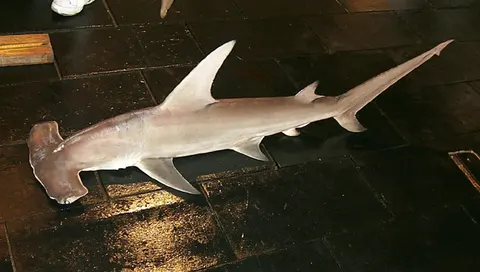
Photo credit
NOAA / NMFS / Mississippi Laboratory · CC BY 3.0 Wikimedia Commons photograph; resized for display.
-
Southern stingrayHypanus americanusGreat hammerhead sharkObserved predation
Researchers documented a great hammerhead hunting and consuming a southern stingray. WoRMS records the accepted name Hypanus americanus.
Read the evidence
Brown Bear Ursus arctos
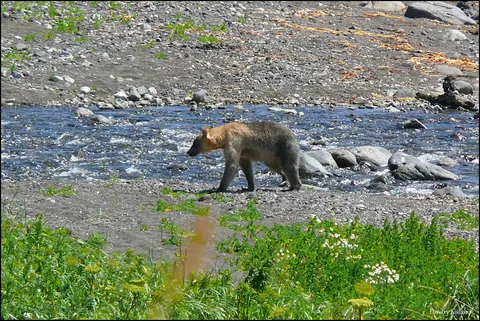
Photo credit
(c) Dmitry Kulakov, some rights reserved (CC BY) · CC BY 4.0 Ursus arctos 53067058.jpg · Resized and converted to WebP for display. Documentary organism photograph.
-
Elk (wapiti)Cervus canadensisBrown BearPredation
Northern Yellowstone · young elk calves monitored during the 2003–2006 study. The field study attributed some deaths of monitored elk calves to grizzly bear predation. This record concerns calves rather than adult elk.
Read the evidence -
GrassesPoaceae · plant groupBrown BearGrazing
Yellowstone grizzly populations · reported plant foods. The park account includes grasses among plant foods eaten by local grizzlies. The observation does not identify a particular grass or imply that grass dominates their diet.
Read the evidence -
American bisonBison bisonBrown BearScavenging
Yellowstone grizzly populations · opportunistic feeding. The park account reports Yellowstone grizzlies feeding on bison carcasses when available. This arrow documents scavenging and does not identify what killed the bison.
Read the evidence
Monarch Butterfly Danaus plexippus
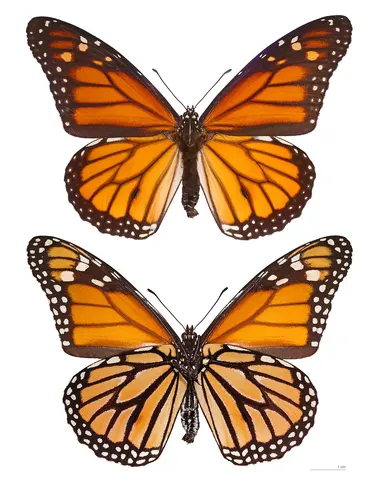
Photo credit
Didier Descouens · CC BY-SA 4.0 Danaus plexippus MHNT.jpg · Resized and converted to WebP for display. Documentary organism photograph.
-
Nectar across the migration routeMonarch ButterflyAdult food source
Adult monarchs use nectar from many kinds of flowers during migration. Caterpillars have a different diet and depend on milkweeds.
Read the evidence
Gray Wolf Canis lupus
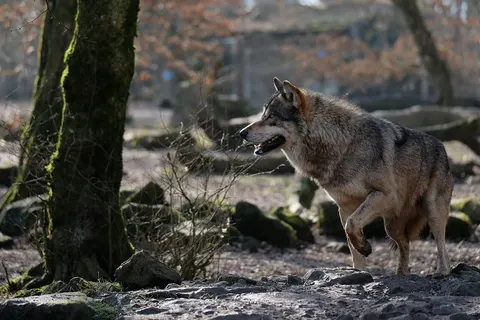
Photo credit
Musicaline · CC BY-SA 4.0 Loup gris commun DSCF1575.jpg · Resized and converted to WebP for display. Documentary organism photograph.
-
Elk (wapiti)Cervus canadensisGray WolfPredation
Northern Yellowstone · elk calves monitored May 2003 to April 2006. Researchers following northern Yellowstone elk calves recorded predation by wolves. The finding describes the studied calves rather than risk at every life stage.
Read the evidence -
American bisonBison bisonGray WolfPredation
Yellowstone National Park · after wolf restoration in 1995. Park researchers documented wolves killing American bison. Their observations found bison were harder for wolves to kill than elk. Wolves also sometimes eat bison as carrion, a separate process.
Read the evidence
Green Sea Turtle Chelonia mydas
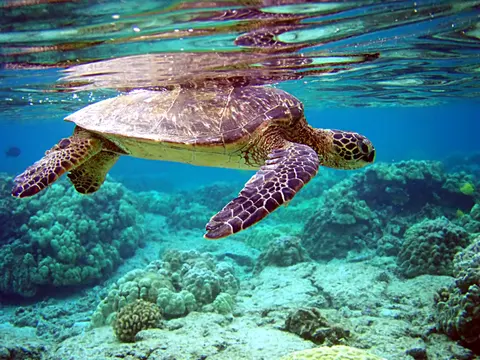
Photo credit
Brocken Inaglory · CC BY-SA 4.0 Total internal reflection of Chelonia mydas.jpg · Resized and converted to WebP for display. Documentary organism photograph.
-
TurtlegrassThalassia testudinumGreen Sea TurtleRecorded grazing
Researchers describe Caribbean green turtle grazing on turtlegrass meadows, where grazed patches sit beside recovering and ungrazed vegetation.
Read the evidence
European Starfish Asterias rubens
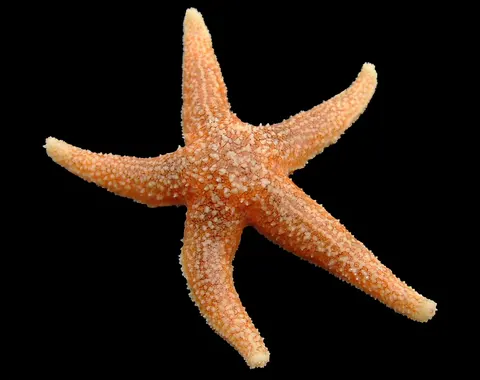
Photo credit
Hans Hillewaert · CC BY-SA 4.0 Asterias rubens.jpg · Resized and converted to WebP for display. Documentary organism photograph.
-
Blue musselMytilus edulisEuropean StarfishRecorded prey
The marine species account documents common sea stars feeding on blue mussels. It describes a seasonal feeding aggregation in Morecambe Bay, UK.
Read the evidence
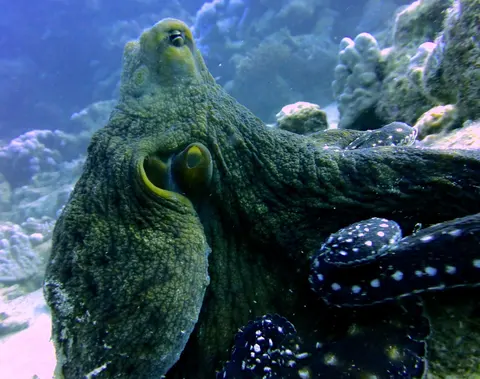
Day Octopus Octopus cyanea

-
Reef crabsDay OctopusDocumented prey group
Crabs are among the prey that NOAA documents during reef foraging. The account does not establish individual crab species.
Read the evidence
Bald Eagle Haliaeetus leucocephalus
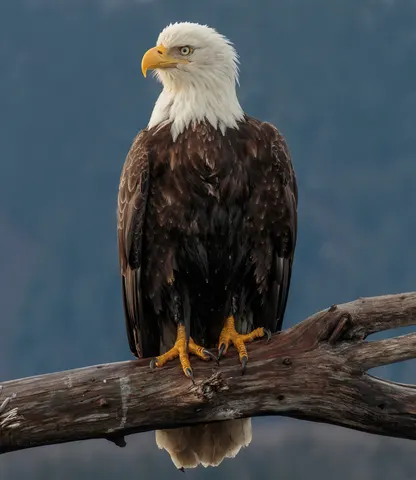
Photo credit
Andy Morffew from Itchen Abbas, Hampshire, UK · CC BY 2.0 Bald Eagle (Haliaeetus leucocephalus) Kachemak Bay, Alaska.jpg · Resized and converted to WebP for display. Documentary organism photograph; source identification retained.
-
FishBald EagleStaple food
The U.S. Fish and Wildlife Service identifies fish as a staple of the bald eagle’s diet. Eagles also feed opportunistically on other prey and carrion.
Read the evidence -
WaterfowlBald EagleRecorded prey
The species account includes waterfowl among the bald eagle’s foods. The mix of foods varies with availability.
Read the evidence
Andean Bear Tremarctos ornatus
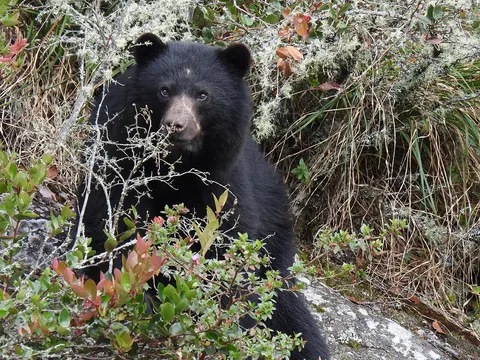
Photo credit
Jonathan Candil Méndez · CC BY 4.0 Tremarctos ornatus 165975083.jpg · Resized and converted to WebP for display.
-
Andean bromeliadsAndean BearDocumented food group
The two bears in the camera-collar pilot fed on bromeliads in high Andean habitat. Camera records and scat records describe the sampled area.
Read the evidence
American Black Bear Ursus americanus
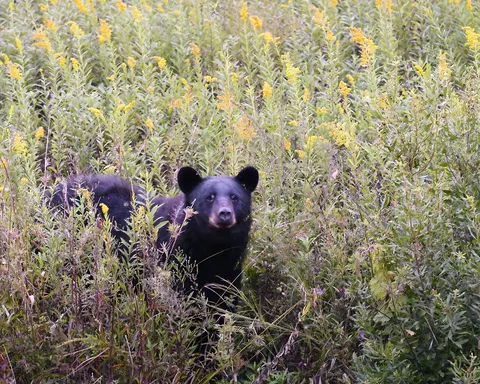
Photo credit
lwolfartist · CC BY 2.0 Black bear alligator river nwr 10.4.24 DSC 0063-topaz-rawdenoise.jpg · Resized and converted to WebP for display.
-
Northern red oakQuercus rubraAmerican Black BearConsumes acorns
The Forest Service identifies northern red oak acorns as an important fall food for American black bears where the species overlap.
Read the evidence -
BerriesAmerican Black BearSeasonal food
North Cascades National Park describes berries as a seasonal part of local American black bear diets.
Read the evidence
Island Fox Urocyon littoralis
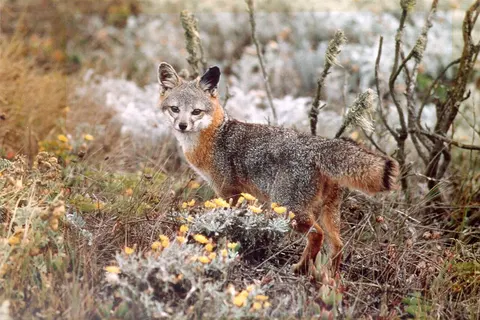
Photo credit
Pacific Southwest Region USFWS from Sacramento, US · CC BY 2.0 Urocyon littoralis (Island fox) FWS 001.jpg · Resized and converted to WebP for display.
-
Deer miceIsland FoxRecorded diet
The park account records deer mice among food items on Santa Rosa and other islands where they occur. Diet varies with what is available on each island.
Read the evidence