 Living Beings
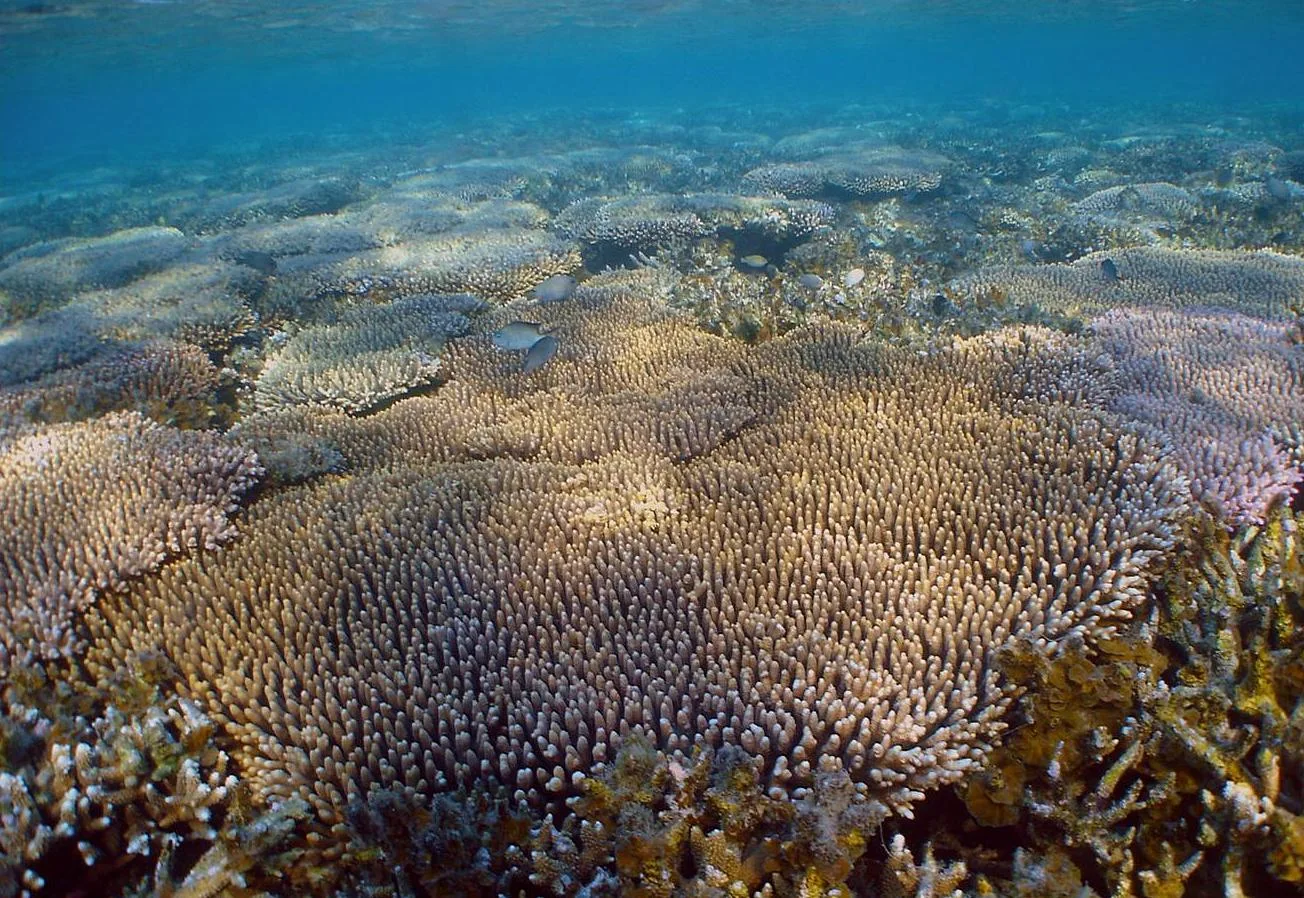
Acropora millepora, GBR.jpg · Resized and converted to WebP for display. Documentary organism photograph. AI-generated illustration. Petra Lundgren, Juan C Vera, Lesa Peplow, Stephanie Manel and Madeleine JH van Oppen. · CC BY 4.0

Field guide · species
Acropora millepora
(Ehrenberg, 1834)
Acropora millepora is a branching reef-building coral. A colony contains many connected polyps, and its functioning depends on interactions between the animal, photosynthetic dinoflagellate partners and other associated microbes.
Public research profile · final editorial review pending.
Tree of lifeScientific lineage
- LifeLife
- DomainEukaryota
- KingdomAnimalia
- PhylumCnidaria
- ClassAnthozoa
- OrderScleractinia
- FamilyAcroporidae
- GenusAcropora
- SpeciesAcropora millepora
Advanced classification
Complete source lineage, including intermediate ranks. The standard view uses Life and the eight principal ranks.
- cellular organisms cellular root
- Eukaryota domain
- Opisthokonta clade
- Metazoa kingdom
- Eumetazoa clade
- Cnidaria phylum
- Anthozoa class
- Hexacorallia subclass
- Scleractinia order
- Refertina suborder
- Acroporidae family
- Acropora genus
- Acropora millepora species
Physical traits
Colonies form branching structures covered by small skeletal cups that house polyps. Colony color alone is insufficient for secure species identification.
Habitat and range
Shallow, well-lit marine reef environments support the coral and its photosynthetic partners.
Diet and nutrition
Polyps capture small suspended food, while algal symbionts contribute photosynthetic products.
Behavior and activity
Tentacles and mucus help the colony interact with surrounding seawater. Recognition mechanisms influence responses to microbes.
Reproduction and life cycle
Colonies grow by producing additional polyps. Sexual reproduction can release gametes that develop into settling larvae.
Geographic distribution
The species occurs in the Indo-Pacific reef region. Species-level locality records should accompany detailed range mapping.
Ecological role
Skeletal growth contributes reef structure and habitat. Symbiotic interactions are central to energy supply and colony health.
Distinctive adaptations
A colonial body and partnerships with photosynthetic cells support growth in well-lit reef environments.
Conservation
Thermal stress, bleaching and degradation of reef habitat are concerns. A source on molecular recognition does not establish a current Red List category.
Evidence
Sources
- Acropora millepora · NCBI Taxonomy ↗NCBI
- An ancient and variable mannose-binding lectin from the coral Acropora millepora binds both pathogens and symbionts ↗Developmental and comparative immunology · 2008
- Acropora millepora — Animal Diversity Web, University of Michigan ↗Animal Diversity Web, University of Michigan
Connected life
Relationships
No reviewed ecological connections in the collection yet.
Explore network ↗