 Living Beings

 Framed for display
Species · Acropora
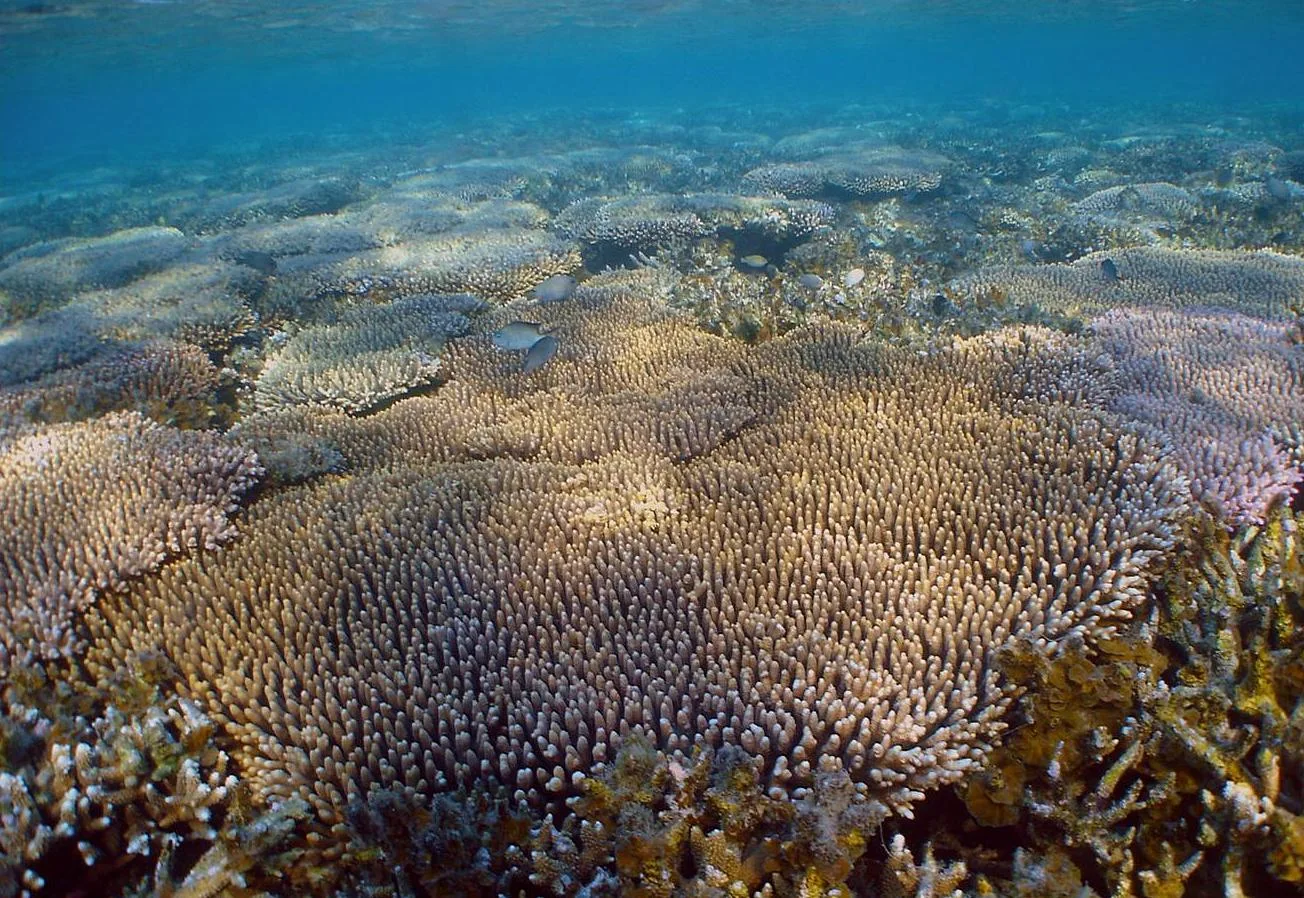
Acropora millepora
Acropora millepora
Acropora millepora is a branching reef-building coral. A colony contains many connected polyps, and its functioning depends on interactions between the animal, …
Domain · Scientific classification
Eukaryota is the domain of organisms whose cells are organized around a nucleus. It includes animals, plants, fungi and many unicellular lineages.
 Framed for display
Explore broader group · Life ↗
NCBI Taxonomy (2026-11-05 reconciled backbone) · Taxon source ↗
Group guide
Eukaryotic cells typically keep their chromosomes in a membrane-bound nucleus. A large multicellular body is only one possibility. The classification below includes single-celled lineages as well as animals, fungi and green plants.
Source for one domain, many ways to be an organism ↗Some scientific classifications describe eukaryotes through named evolutionary branches without assigning formal ranks to every branch. Amoeba proteus belongs to Amoebozoa, while the ciliates Paramecium and Tetrahymena belong to a different branch. If the compact tree leaves a kingdom open, use the classification source to explore that organism’s placement.
Source for reading the eukaryote branches ↗All animals sit within Eukaryota. Follow the animal kingdom to branches such as chordates and arthropods. A word like protist can help in general discussion of many unicellular eukaryotes, while individual lineages have their own names in the classification.
Source for how to find the animals ↗Eukaryota · domain · Original classification source
The original identifier and source were retained when adopting the dated NCBI backbone. Different sources may use different names, ranks or group circumscriptions.
Within this taxon
Framed for display
Acropora millepora
Acropora millepora is a branching reef-building coral. A colony contains many connected polyps, and its functioning depends on interactions between the animal, …
 Framed for display
Adansonia digitata
The African baobab is a tropical tree recognized by its enormous trunk and spreading crown. Its scientific epithet refers to the hand-like …
 Framed for display
Caracal auratus
The African golden cat is an elusive forest cat, distinct from the Asian golden cat despite their similar common names. Understanding this …
 Framed for display
Loxodonta africana
The African savanna elephant is a large, social herbivore whose trunk serves as a nose, a drinking tool and a remarkably precise …
 Framed for display
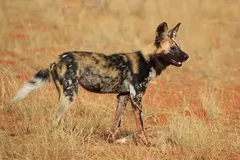
Lycaon pictus
Botswana field observations show how pack members’ signals help determine when African wild dogs leave a resting site.
 Framed for display
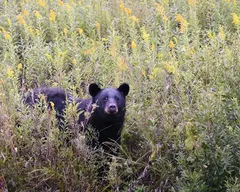
Ursus americanus
The American black bear is a forest-associated North American omnivore whose coat is not always black. Seasonal changes in food strongly shape …
 Framed for display
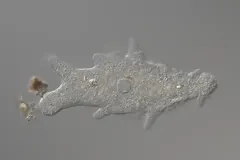
Amoeba proteus
Amoeba proteus is a large single-celled eukaryote that changes shape as it moves and feeds. Temporary extensions called pseudopodia connect visible cell …
 Framed for display
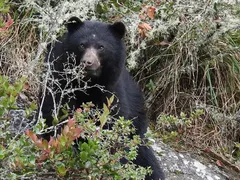
Tremarctos ornatus
The Andean bear, also called the spectacled bear, is the living bear native to South America. It connects forests and high mountain …
 Framed for display
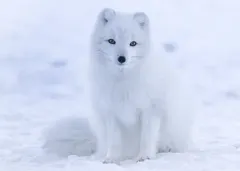
Vulpes lagopus
The Arctic fox is a small northern canid adapted to cold, open landscapes. Dense fur, compact ears and fur-covered feet help it …
 Framed for display
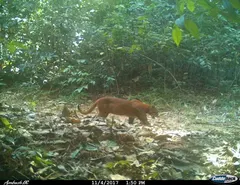
Catopuma temminckii
The Asian golden cat is a medium-sized forest felid with variable coloration. Its name should not be taken to mean that every …
 Framed for display
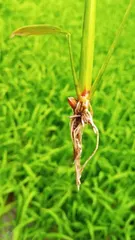
Oryza sativa
Asian rice is an annual grass cultivated for its grains. It grows as a clump of shoots and produces a branching flowering …
 Framed for display
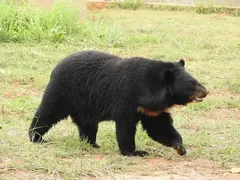
Ursus thibetanus
The Asiatic black bear is a forest-dwelling bear recognized by a pale chest crescent. It combines climbing ability with a varied diet, …
 Framed for display
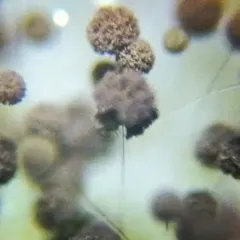
Aspergillus niger
Aspergillus niger is a filamentous fungus whose dark spore-bearing heads are familiar in microbiology. Selected strains are used in fermentation to produce …
 Framed for display
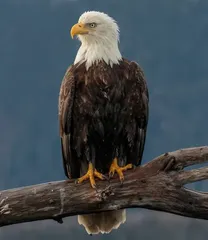
Haliaeetus leucocephalus
The bald eagle is a large North American raptor closely associated with water. Fishing, scavenging and opportunistic feeding all contribute to its …
 Framed for display
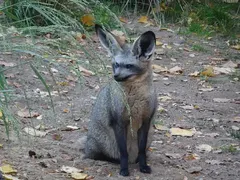
Otocyon megalotis
The bat-eared fox is an African canid whose diet is unusually focused on insects. Large ears are relevant to finding small concealed …
 Framed for display
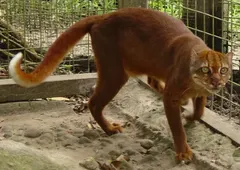
Catopuma badia
The bay cat is a rarely observed forest cat of Borneo. Because information remains limited, confident claims about its population or detailed …
 Framed for display
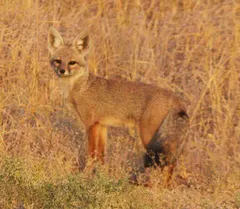
Vulpes bengalensis
The Bengal fox is a South Asian fox of relatively open landscapes. It combines small-animal hunting with the use of seasonal plant …
 Framed for display
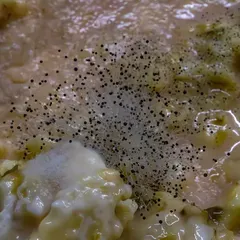
Rhizopus stolonifer
Black bread mold spreads rapidly over suitable organic material. Its pale hyphae produce dark, rounded sporangia, giving a mature colony its familiar …
 Framed for display
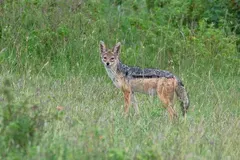
Lupulella mesomelas
The black-backed jackal is an African predator and scavenger recognized by a dark saddle across its back. Its flexibility includes both independent …
 Framed for display
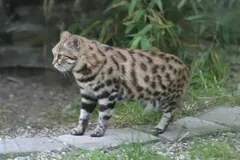
Felis nigripes
The black-footed cat is a small southern African hunter of open, dry country. It is a separate species from the domestic cat …
 Framed for display
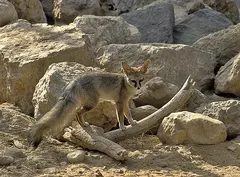
Vulpes cana
Blanford’s fox is a small canid associated with steep, dry terrain. Its feeding ecology includes substantial insect and fruit use, contrasting with …
 Framed for display
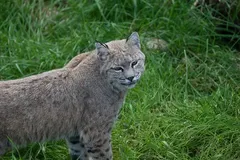
Lynx rufus
The bobcat is a short-tailed North American felid that uses many different environments. Its adaptability should not obscure its need for cover, …
 Framed for display
Saccharomyces cerevisiae
Saccharomyces cerevisiae is a budding yeast associated with both natural substrates and human fermentation. Its single-celled growth form makes it a fungus …
 Framed for display
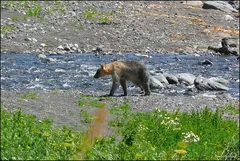
Ursus arctos
Brown bears are large omnivores with a prominent shoulder hump and powerful forelimbs. Their diets and seasonal routines change with the foods …
 Framed for display
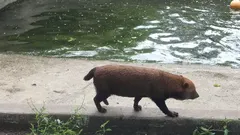
Speothos venaticus
The bush dog is a compact South American canid associated with forests and wet landscapes. Its build and cooperative behavior differ markedly …
 Framed for display
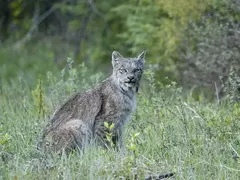
Lynx canadensis
The Canada lynx is a northern forest cat with a close ecological connection to snowshoe hares. Changes in hare abundance can influence …
 Framed for display
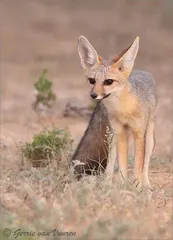
Vulpes chama
The Cape fox is a small southern African canid associated with open, dry country. It is a true fox in Vulpes and …
 Framed for display
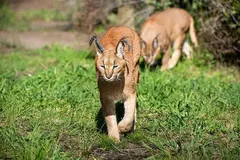
Caracal caracal
The caracal is a solitary hunter of wooded, scrubby and open landscapes. It is often recognized by its ear tufts, but its …
 Framed for display
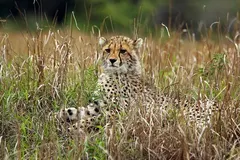
Acinonyx jubatus
Movement records from wild cheetahs in Botswana show why braking and turning matter as much as speed during a chase.
 Framed for display
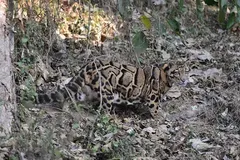
Neofelis nebulosa
The mainland clouded leopard is a forest cat whose striking markings are only one part of its specialization. Its climbing ability links …
 Framed for display
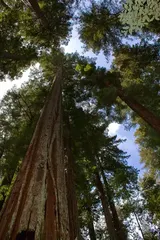
Sequoia sempervirens
The coast redwood is an evergreen conifer of the Pacific coast of North America. Its forests develop in a moist coastal climate …
 Framed for display
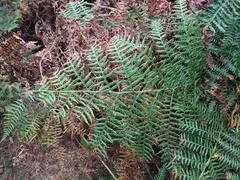
Pteridium aquilinum
Common Bracken is a fern whose familiar canopy of divided fronds is connected to a much larger underground system. Rhizomes persist between …
 Framed for display
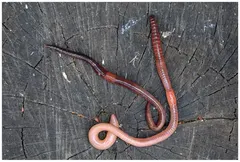
Lumbricus terrestris
This large earthworm maintains deep burrows and pulls surface litter into the soil. Its activity mixes organic material with mineral soil and …
 Framed for display
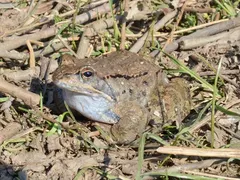
Rana temporaria
The common frog moves between terrestrial feeding habitat and freshwater breeding sites. Its life cycle includes a swimming tadpole that differs markedly …
 Framed for display
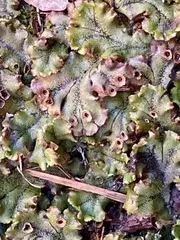
Marchantia polymorpha
Common liverwort spreads as a flattened green thallus rather than a stem with true leaves. Cup-shaped structures on its surface contain tiny …
 Framed for display
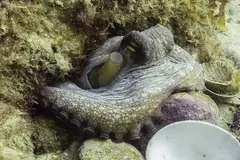
Octopus vulgaris
Eight flexible arms, a soft body and rapidly changing skin make the common octopus an effective coastal predator. The name once covered …
 Framed for display
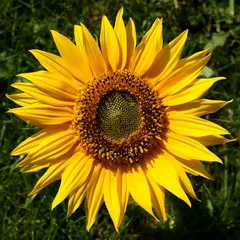
Helianthus annuus
The common sunflower is a fast-growing annual in the daisy family. Its conspicuous head is a collection of many small flowers, rather …
 Framed for display
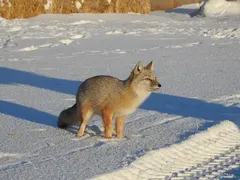
Vulpes corsac
The corsac fox is a canid of Asian steppe and semi-desert. It depends on local shelter and small prey in landscapes that …
 Framed for display
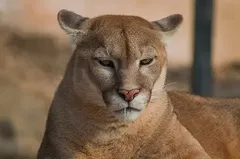
Puma concolor
Cougars do more than hunt ungulates. In Greater Yellowstone, carcasses they left behind supported a richer community of beetles.
 Framed for display
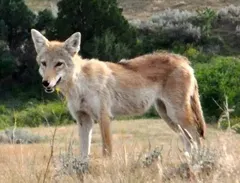
Canis latrans
The coyote is an adaptable North American canid that can live in natural and human-modified landscapes. Its success reflects flexible food use …
 Framed for display
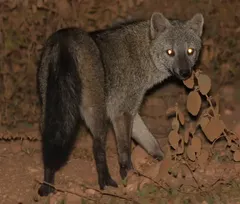
Cerdocyon thous
The crab-eating fox is a South American omnivore with a much broader diet than its common name suggests. It belongs to Cerdocyon …
 Framed for display
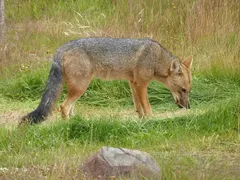
Lycalopex culpaeus
The culpeo is a South American canid also called the Andean fox. Its presence in a range of environments reflects flexible habitat …
 Framed for display
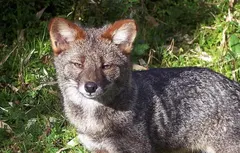
Lycalopex fulvipes
Darwin’s fox is a forest-associated Chilean canid with a restricted distribution. Its natural history differs from the open-country image commonly associated with …
 Framed for display
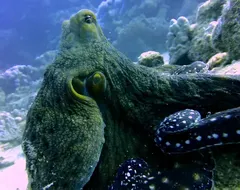
Octopus cyanea
The day octopus is a reef-dwelling cephalopod of the tropical Indo-Pacific. Unlike many octopuses that hunt mainly at night, it often searches …
 Framed for display
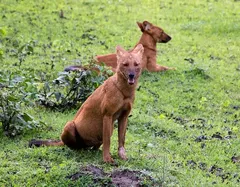
Cuon alpinus
The dhole is a social Asian canid with a hunting system centered on group cooperation. It belongs to Cuon, a separate genus …
 Framed for display
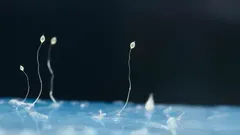
Dictyostelium discoideum
This social amoeba alternates between independently feeding cells and coordinated multicellular development. When food becomes scarce, cells aggregate and eventually form structures …
 Framed for display
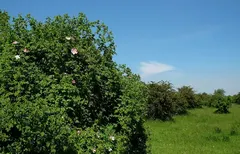
Rosa canina
The dog rose is a scrambling wild rose whose arching stems carry simple-looking flowers followed by orange-red hips. It is a familiar …
 Framed for display
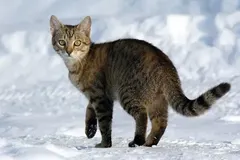
Felis catus
Ancient cat genomes help distinguish domestic cats carried into Europe from native wildcats with similar bones.
 Framed for display
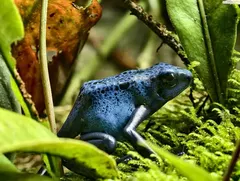
Dendrobates tinctorius
The dyeing poison frog is a day-active tropical frog with strikingly variable colors. Its parental care connects the forest floor with small …
 Framed for display
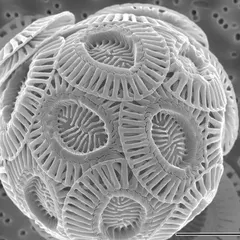
Emiliania huxleyi
Emiliania huxleyi is a marine coccolithophore associated with striking blooms and calcified cell coverings. The name follows the project's dated NCBI backbone; …
 Framed for display
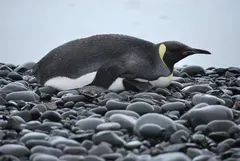
Aptenodytes forsteri
Emperor penguins breed through the Antarctic winter and obtain food at sea. Their annual cycle links breeding colonies on sea ice with …
 Framed for display
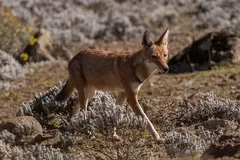
Canis simensis
The Ethiopian wolf is a specialized hunter of highland rodents. Its ecological niche differs from that of wolves that regularly cooperate to …
 Framed for display
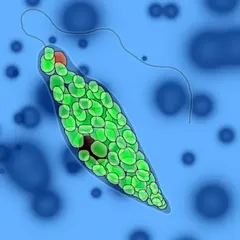
Euglena gracilis
Euglena gracilis combines green chloroplasts with active movement and flexible nutrition. It is a single-celled eukaryote, and its biology does not fit …
 Framed for display
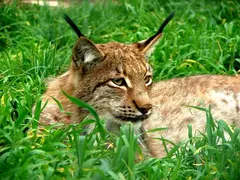
Lynx lynx
The Eurasian lynx is a large lynx whose prey can be substantially bigger than the rabbits and hares associated with some other …
 Framed for display
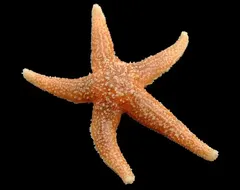
Asterias rubens
The European starfish is a five-armed marine predator often associated with shellfish beds. Tube feet provide both movement and a way to …
 Framed for display
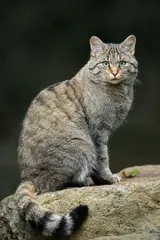
Felis silvestris
The wildcat is a wild Felis lineage whose taxonomic boundaries have changed between references. This profile follows the linked current classification and …
 Framed for display
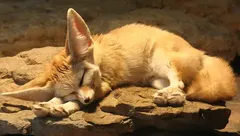
Vulpes zerda
The fennec is a small desert fox with exceptionally large ears. Its lifestyle depends on underground shelter and finding dispersed food rather …
 Framed for display
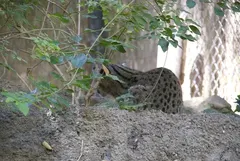
Prionailurus viverrinus
The fishing cat is a sturdy wetland-associated felid. Its name reflects an important part of its diet, but it should not be …
 Framed for display
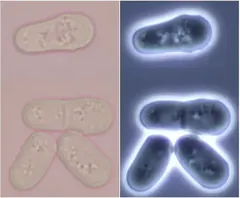
Schizosaccharomyces pombe
Fission yeast is a single-celled fungus that divides across the middle rather than producing the unequal buds familiar in brewer's yeast. It …
 Framed for display
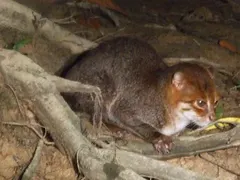
Prionailurus planiceps
The flat-headed cat is a small Southeast Asian felid associated with freshwater environments. Its unusual head shape and wetland feeding ecology set …
 Framed for display
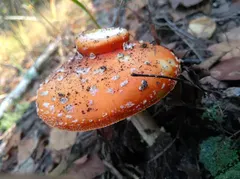
Amanita muscaria
The fly agaric is a conspicuous mushroom-forming fungus, often recognized by a red cap carrying pale veil remnants. The visible mushroom is …
 Framed for display
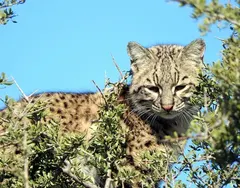
Leopardus geoffroyi
Geoffroy’s cat is a small spotted felid of southern South America. It uses a wider range of environments than a forest-only image …
 Framed for display
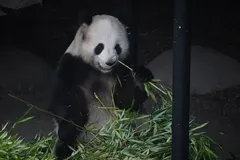
Ailuropoda melanoleuca
The giant panda is a bamboo-specialist bear of Chinese mountain forests. Its familiar black-and-white appearance conceals an unusual feeding strategy: a member …
 Framed for display
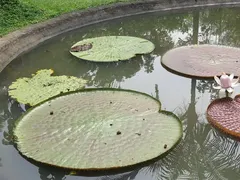
Victoria amazonica
Victoria amazonica is an aquatic flowering plant with large floating leaves and remarkable night-opening flowers. It belongs to a genus of giant …
 Framed for display
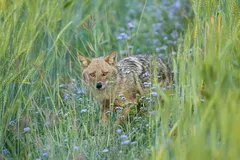
Canis aureus
The golden jackal is an adaptable canid whose common name has historically been applied too broadly. This account uses the current linked …
 Framed for display
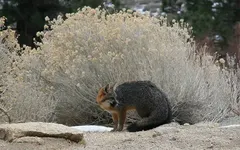
Urocyon cinereoargenteus
The gray fox is a North American canid with an unusual climbing ability. This makes woodland structure important in a way that …
 Framed for display
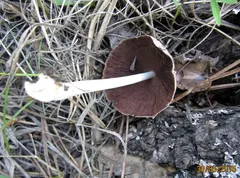
Coprinopsis cinerea
The gray inkcap is a mushroom-forming fungus widely used to study development. The same organism can follow several growth pathways, from an …
 Framed for display
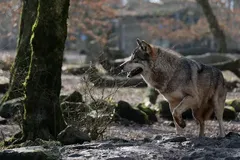
Canis lupus
Gray wolves are social canids whose family groups coordinate travel, defense and the care of young. Their behavior is flexible: prey, terrain …
 Framed for display
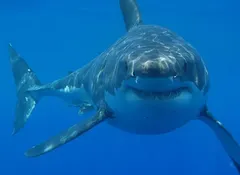
Carcharodon carcharias
The great white shark is a powerful, wide-ranging marine predator. Its streamlined body and serrated teeth support a diet that changes as …
 Framed for display
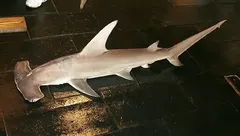
Sphyrna mokarran
The great hammerhead is the largest hammerhead species. The front margin of its broad head is nearly straight, with a notch in …
 Framed for display
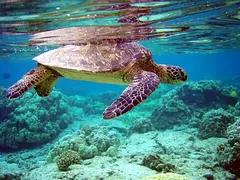
Chelonia mydas
Green sea turtles connect coastal feeding grounds with nesting beaches. Adults often graze seagrass and algae, while younger turtles can use different …
 Framed for display
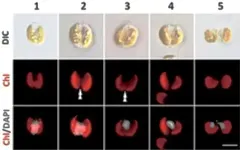
Guillardia theta
Guillardia theta is a unicellular cryptophyte alga with an unusually informative evolutionary history. Its plastid descends from a red alga incorporated into …
 Framed for display
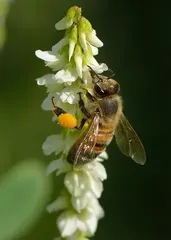
Apis mellifera
A honey bee colony combines a reproductive queen, female workers and seasonal males. Workers collect floral resources, care for developing young and …
 Framed for display
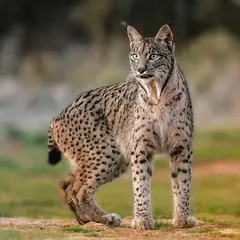
Lynx pardinus
The Iberian lynx is a spotted cat whose ecology is strongly linked to European rabbits. Its conservation story depends on prey recovery …
 Framed for display
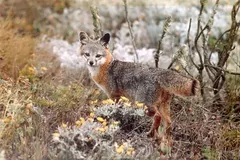
Urocyon littoralis
The island fox lives naturally on six California Channel Islands, each with its own recognized subspecies and population history.
 Framed for display
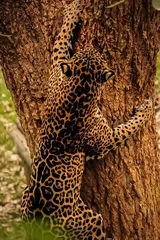
Panthera onca
The jaguar is the largest living cat native to the Americas. Its stocky build, broad head and rosetted coat suit an ambush …
 Framed for display
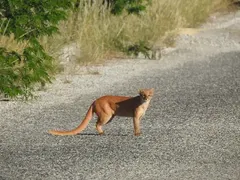
Herpailurus yagouaroundi
Camera traps recorded the slender jaguarundi mainly by day in forests where ocelots were usually detected at night.
 Framed for display
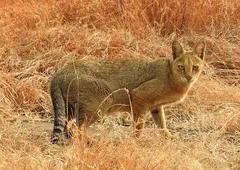
Felis chaus
The jungle cat frequently uses dense vegetation near water. Its common name can be misleading: reed beds, wetland edges and other covered …
 Framed for display
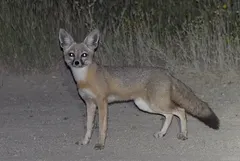
Vulpes macrotis
The kit fox is a small North American fox associated with arid landscapes. Shelter use is central to its life in hot …
 Framed for display
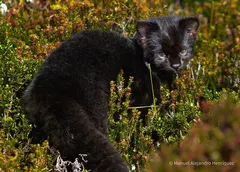
Leopardus guigna
The kodkod is a small forest-associated South American cat, also called the güiña. Dense vegetation and connected cover are important for understanding …
 Framed for display
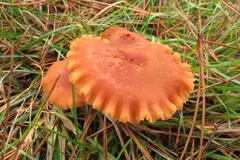
Laccaria bicolor
Laccaria bicolor is a forest fungus that forms ectomycorrhizas with living tree roots. Its mushrooms are only the visible reproductive structures of …
 Framed for display
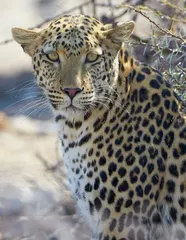
Panthera pardus
Rosettes, a muscular body and an unusually flexible choice of habitat distinguish the leopard. This solitary cat hunts from cover and can …
 Framed for display
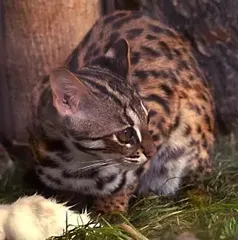
Prionailurus bengalensis
The leopard cat is a small Asian felid, not a miniature leopard in the genus Panthera. It uses a range of wooded …
 Framed for display
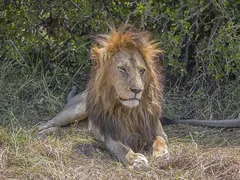
Panthera leo
Lions are social cats that live in groups called prides. A pride usually includes related females, their young, and one or more …
 Framed for display
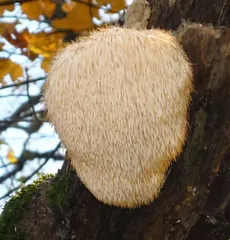
Hericium erinaceus
Lion’s mane forms a pale mass of dangling teeth on hardwood. These teeth carry the spore-producing surface, replacing the familiar gills of …
 Framed for display
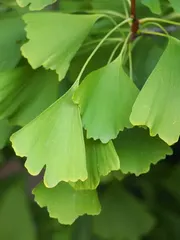
Ginkgo biloba
Ginkgo is a deciduous gymnosperm recognized by fan-shaped leaves and striking yellow autumn color. Its fleshy-coated seeds are not fruits: it belongs …
 Framed for display
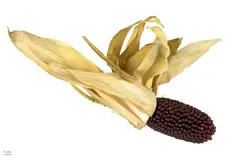
Zea mays
Maize is a domesticated grass whose large ears contain rows of kernels. Pollen-producing tassels and seed-bearing ears are separate structures on the …
 Framed for display
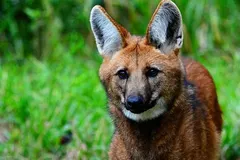
Chrysocyon brachyurus
The maned wolf is a long-legged South American canid, not a tall version of a gray wolf. Its feeding ecology combines animal …
 Framed for display
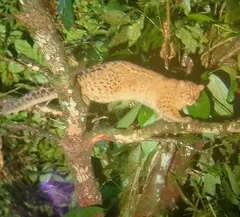
Pardofelis marmorata
The marbled cat is a forest felid with conspicuous coat markings and a long tail. Much of its natural history remains less …
 Framed for display
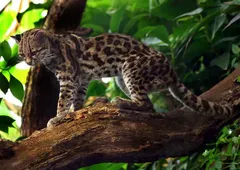
Leopardus wiedii
The margay is a small American cat especially noted for climbing. Its life in trees distinguishes it from superficially similar cats that …
 Framed for display
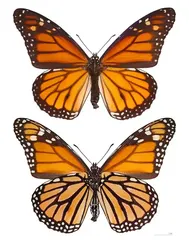
Danaus plexippus
Orange wings crossed by dark veins make the monarch familiar, but its life is closely tied to milkweed. Caterpillars feed on these …
 Framed for display
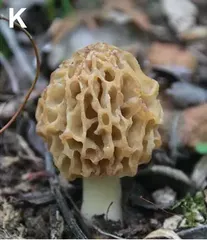
Morchella esculenta
Morchella esculenta is a yellow morel with a conspicuously pitted fruiting body. This profile uses the modern, narrower species concept linked to …
 Framed for display
Neurospora crassa
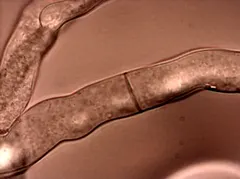
Neurospora crassa is a filamentous fungus known for orange spore masses and its role in the history of genetics. A branching mycelium, …
Leopardus tigrinus
The northern tiger cat is a small spotted Leopardus. Older accounts used a broader tiger-cat concept, so biological descriptions and geographic records …
 Framed for display
Quercus rubra
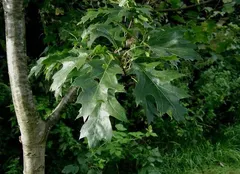
Northern red oak is a deciduous tree native to eastern and central North America. Its bristle-tipped leaves and acorns help distinguish it …
 Framed for display
Leopardus pardalis
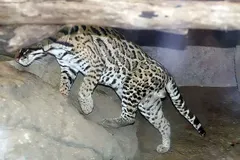
The ocelot is a patterned American cat that hunts through covered habitats. It is distinct from the smaller margay, even though their …
 Framed for display
Pleurotus ostreatus
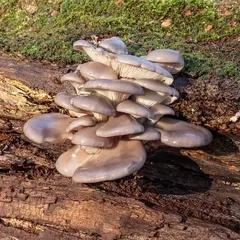
The oyster mushroom forms overlapping shelves on wood. It is both a wild decomposer and an extensively cultivated fungus, with fruiting-body development …
 Framed for display
Vulpes pallida
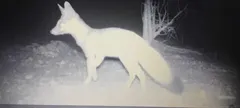
In a study in southeastern Niger, insects and other arthropods turned up far more often than mammal remains in the pale fox’s …
 Framed for display
Otocolobus manul
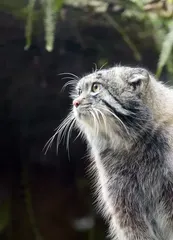
Pallas’s cat is a compact-looking wild cat of Asian steppe and rocky landscapes. Its dense coat can make it look heavier than …
 Framed for display
Paramecium tetraurelia
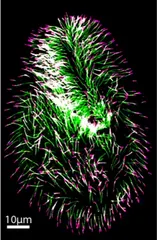
Paramecium tetraurelia is a ciliated single-celled eukaryote within the Paramecium aurelia species complex. Its nuclear organization and history of genome duplication make …