Living Beings
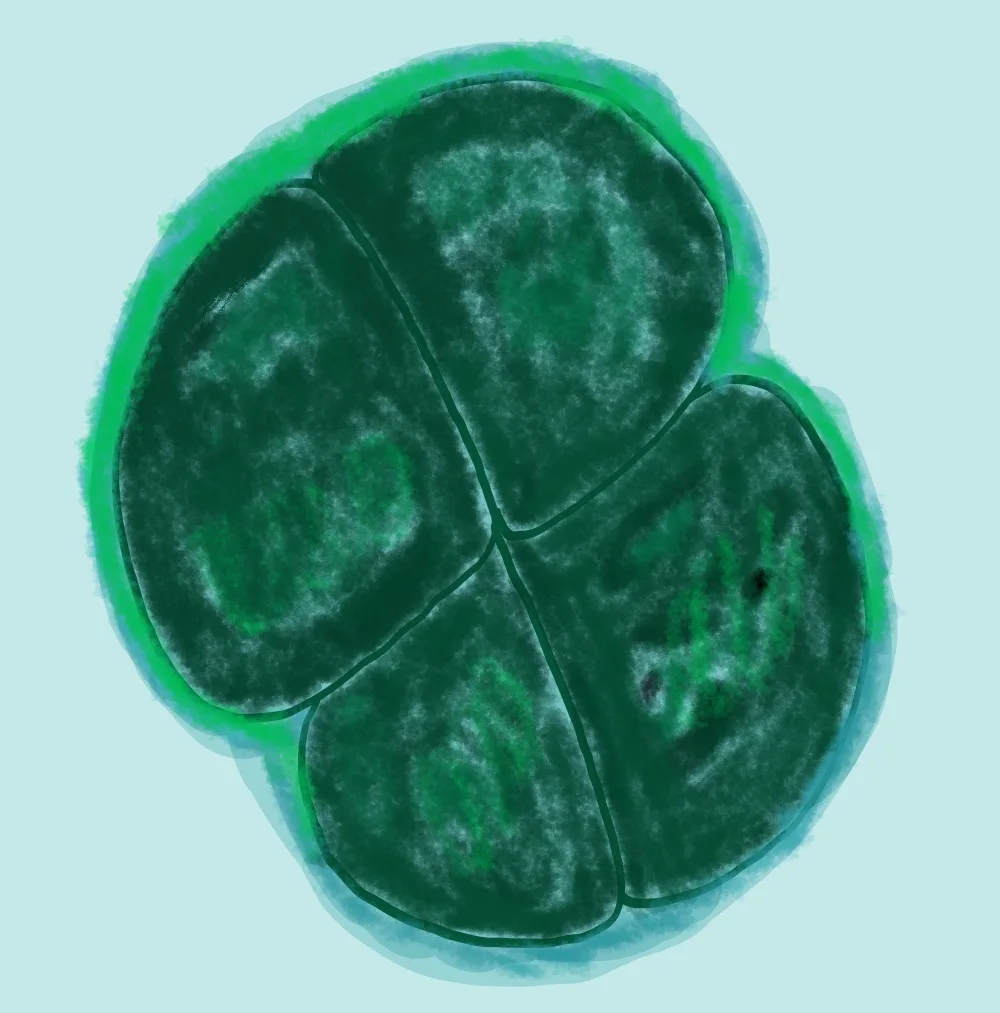
Deinococcus radiodurans dibuix.jpg · Resized and converted to WebP for display. Source-identified documentary image; see the original file for method and context. AI-generated illustration. BQUB24-Diraheta · CC BY-SA 4.0

Field guide · species
Deinococcus radiodurans
(ex Raj et al. 1960) Brooks and Murray 1981
Deinococcus radiodurans is notable for surviving severe damage that would kill many other cells. Studies of strain R1 link this resilience to coordinated DNA maintenance and recovery from environmental stress.
Public research profile · final editorial review pending.
Tree of lifeScientific lineage
- LifeLife
- DomainBacteria
- KingdomThermotogati
- PhylumDeinococcota
- ClassDeinococci
- OrderDeinococcales
- FamilyDeinococcaceae
- GenusDeinococcus
- SpeciesDeinococcus radiodurans
Advanced classification
Complete source lineage, including intermediate ranks. The standard view uses Life and the eight principal ranks.
- cellular organisms cellular root
- Bacteria domain
- Thermotogati kingdom
- Deinococcota phylum
- Deinococci class
- Deinococcales order
- Deinococcaceae family
- Deinococcus genus
- Deinococcus radiodurans species
Structure and identification
Rounded cells commonly occur in grouped arrangements. Pigmented colonies and cell shape alone do not provide a secure identification.
Habitat and range
Cultured isolates have been studied under ordinary growth conditions and experimental stress; radiation resistance does not mean radiation is required for growth.
Nutrition and metabolism
Organic nutrients support heterotrophic growth. Stress resistance should not be confused with obtaining energy from radiation.
Biological activity
Cells coordinate repair and recovery after DNA damage, oxidative stress or desiccation-related challenges.
Reproduction and life cycle
Cell division produces new cells when conditions permit. Genome maintenance is critical to recovery before normal growth resumes.
Geographic distribution
Authenticated isolates and research collections provide traceable records. A full environmental range is not established by the genome study.
Ecological role
Its stress biology helps explain microbial persistence during changing hydration and resource conditions.
Distinctive adaptations
The R1 genome study identified multiple systems associated with DNA repair, damage handling and recovery from starvation or desiccation. Its resistance is therefore not adequately explained by one supposed protective gene. The sequenced strain also carries multiple DNA elements, providing a framework for testing how these cellular systems work together.
Evidence
Sources
- Deinococcus radiodurans · NCBI Taxonomy ↗NCBI
- Surviving the storm: exploring the role of natural transformation in nutrition and DNA repair of stressed Deinococcus radiodurans ↗Applied and environmental microbiology · 2025
- Genome sequence of the radioresistant bacterium Deinococcus radiodurans R1 ↗Science (New York, N.Y.) · 1999
Connected life
Relationships
No reviewed ecological connections in the collection yet.
Explore network ↗