 Living Beings
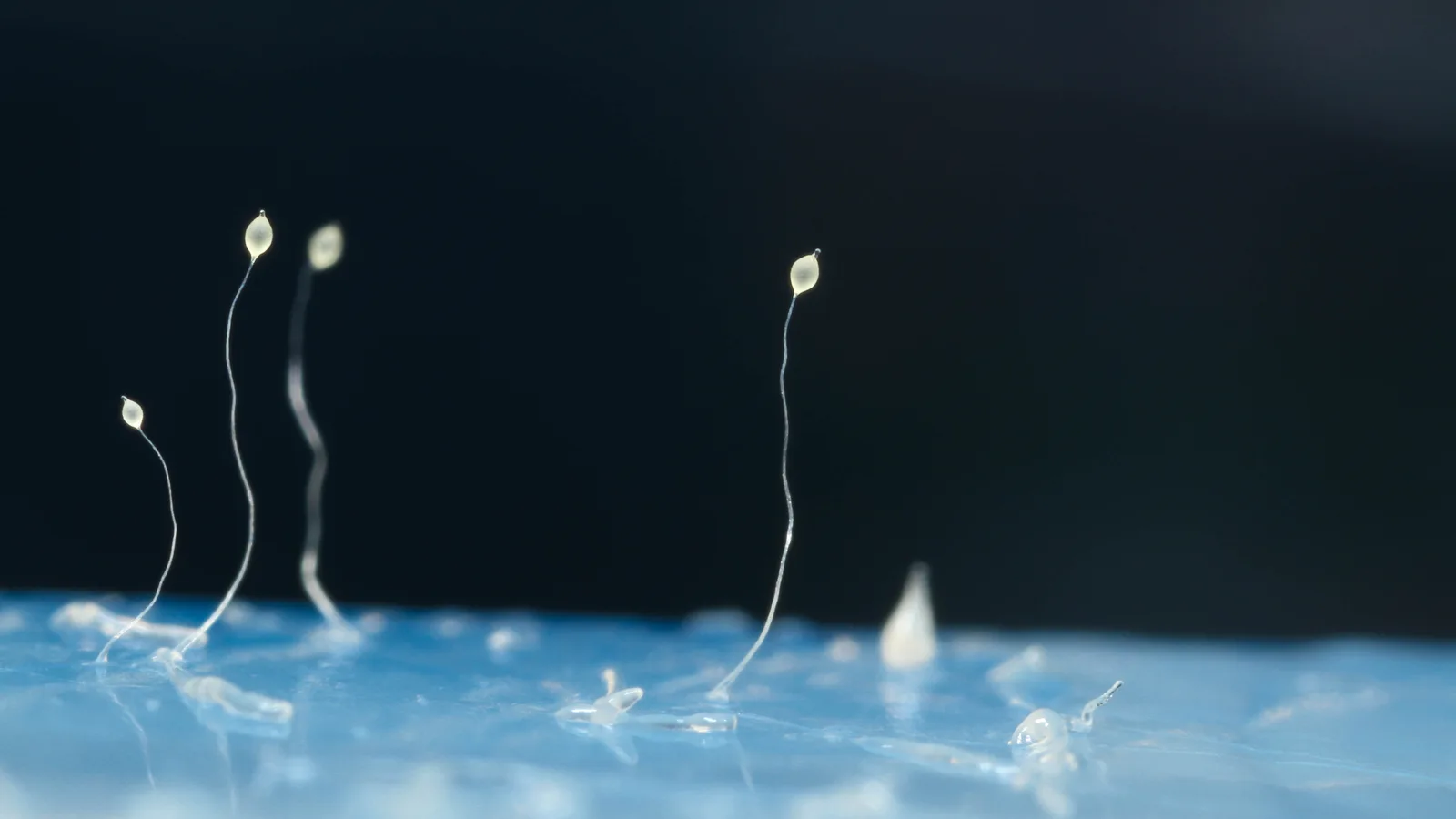
Dictyostelium discoideum 03.jpg · Resized and converted to WebP for display. Source-identified documentary image; see the original file for method and context. AI-generated illustration. Usman Bashir · CC BY-SA 4.0

Field guide · species
Dictyostelium discoideum
Raper, 1935
This social amoeba alternates between independently feeding cells and coordinated multicellular development. When food becomes scarce, cells aggregate and eventually form structures that elevate dispersal spores above the substrate.
Public research profile · final editorial review pending.
Tree of lifeScientific lineage
- LifeLife
- DomainEukaryota
- PhylumEvosea
- ClassEumycetozoa
- OrderDictyosteliales
- FamilyDictyosteliaceae
- GenusDictyostelium
- SpeciesDictyostelium discoideum
Advanced classification
Complete source lineage, including intermediate ranks. The standard view uses Life and the eight principal ranks.
- cellular organisms cellular root
- Eukaryota domain
- Amoebozoa clade
- Evosea phylum
- Eumycetozoa class
- Dictyostelia clade
- Dictyosteliales order
- Dictyosteliaceae family
- Dictyostelium genus
- Dictyostelium discoideum species
Structure and identification
Feeding cells are amoeboid. Developing aggregates, migrating slugs and stalked fruiting bodies have very different appearances.
Habitat and range
Soil-associated and decaying-organic-matter environments provide bacterial food and surfaces for development.
Nutrition and metabolism
Vegetative amoebae ingest bacteria. Resource depletion changes development rather than simply producing a smaller feeding cell.
Biological activity
Chemical signaling coordinates aggregation and collective movement during the developmental response to starvation.
Reproduction and life cycle
Feeding cells multiply individually. Aggregation leads to a multicellular stage and then stalk and spore differentiation; spores can restart feeding growth.
Geographic distribution
Authenticated environmental isolates and laboratory strains have distinct collection histories. Research use is not a complete map of wild occurrence.
Ecological role
Its transition between independently feeding cells and multicellular development makes environmental conditions central to its biology. The genome study identified many systems for producing and exporting small molecules, providing a genetic framework for investigating how an amoeba coordinates behavior with other cells.
Distinctive adaptations
The transition between feeding independence and coordinated dispersal is a distinctive response to changing resource conditions.
Evidence
Sources
Connected life
Relationships
No reviewed ecological connections in the collection yet.
Explore network ↗