 Living Beings
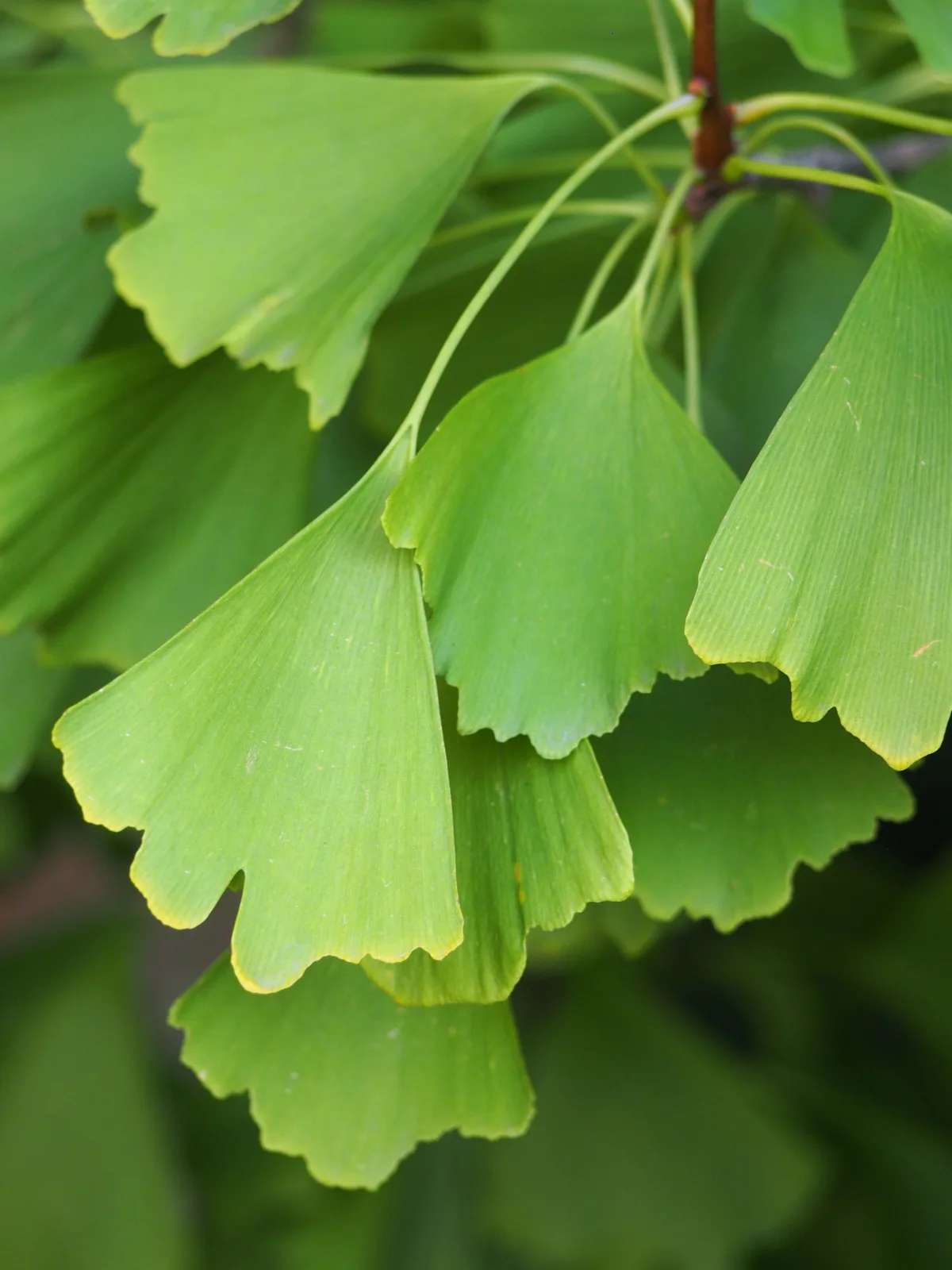
Ginkgo biloba 'Saratoga' Miłorząb dwuklapowy 2021-10-02 04.jpg · Resized and converted to WebP for display. Source-identified documentary image; see the original file for method and context. AI-generated illustration. Agnieszka Kwiecień, Nova · CC BY-SA 4.0

Field guide · species
Maidenhair Tree
Ginkgo biloba L., 1771
Ginkgo is a deciduous gymnosperm recognized by fan-shaped leaves and striking yellow autumn color. Its fleshy-coated seeds are not fruits: it belongs to a lineage of seed plants outside the flowering plants.
Public research profile · final editorial review pending.
Tree of lifeScientific lineage
- LifeLife
- DomainEukaryota
- KingdomViridiplantae
- PhylumStreptophyta
- ClassGinkgoopsida
- OrderGinkgoales
- FamilyGinkgoaceae
- GenusGinkgo
- SpeciesGinkgo biloba
Advanced classification
Complete source lineage, including intermediate ranks. The standard view uses Life and the eight principal ranks.
- cellular organisms cellular root
- Eukaryota domain
- Viridiplantae kingdom
- Streptophyta phylum
- Streptophytina subphylum
- Embryophyta clade
- Tracheophyta clade
- Euphyllophyta clade
- Spermatophyta clade
- Acrogymnospermae clade
- Ginkgoopsida class
- Ginkgoidae subclass
- Ginkgoales order
- Ginkgoaceae family
- Ginkgo genus
- Ginkgo biloba species
Structure and identification
Leaves have branching veins and often a central notch. Long shoots and short shoots produce different-looking clusters of leaves.
Habitat and range
The tree grows best with light and well-drained soil and is widely used in urban plantings.
Nutrition and metabolism
Leaves photosynthesize during the growing season. Deciduous leaf loss changes the annual balance between production and stored reserves.
Biological activity
Leaves change color and fall seasonally. Reproductive structures occur on short shoots.
Reproduction and life cycle
Pollen-bearing and ovule-bearing trees are separate. Fertilized ovules mature into seeds with a fleshy outer layer.
Geographic distribution
The species originates in China and has been cultivated far beyond its native region. Cultivated occurrence is not evidence of a wild population.
Ecological role
Trees supply shade and structural habitat; the ecological setting of planted trees differs from remnant native stands.
Distinctive adaptations
Tolerance of several urban stresses helps explain its widespread use as a street tree.
Conservation
Abundant cultivated trees do not demonstrate security of wild populations. Native-range conservation needs separate evidence.
Evidence
Sources
- Ginkgo biloba · NCBI Taxonomy ↗NCBI
- Ginkgo biloba — Plants of the World Online, Royal Botanic Gardens, Kew ↗Plants of the World Online, Royal Botanic Gardens, Kew
- Ginkgo biloba — NC State Extension ↗NC State Extension
Connected life
Relationships
No reviewed ecological connections in the collection yet.
Explore network ↗