Living Beings
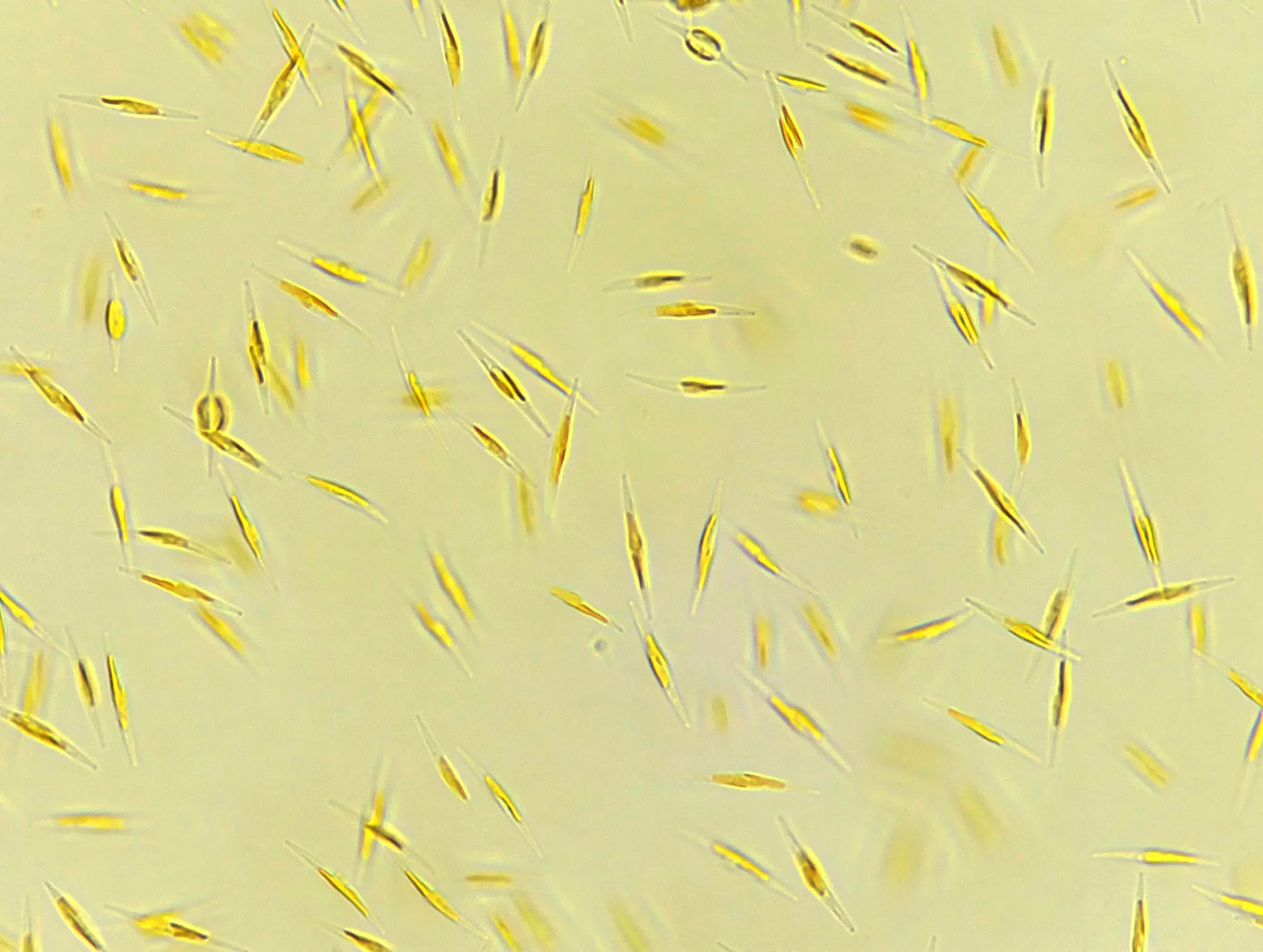
Phaeodactylum tricornutum Pt1.jpg · Resized and converted to WebP for display. Identification awaits editorial review. AI-generated illustration. R monteil · CC BY-SA 4.0

Field guide · species
Phaeodactylum tricornutum
Bohlin, 1897
Phaeodactylum tricornutum is a pennate diatom used to study photosynthetic marine eukaryotes. Its variable cell shapes and distinctive genome show that the diatoms are more diverse than one standard image of a glass-walled cell suggests.
Public research profile · final editorial review pending.
Tree of lifeScientific lineage
- LifeLife
- DomainEukaryota
- PhylumBacillariophyta
- ClassBacillariophyceae
- OrderSurirellales
- FamilyNeidiaceae
- GenusPhaeodactylum
- SpeciesPhaeodactylum tricornutum
Advanced classification
Complete source lineage, including intermediate ranks. The standard view uses Life and the eight principal ranks.
- cellular organisms cellular root
- Eukaryota domain
- Sar clade
- Stramenopiles clade
- Ochrophyta clade
- Bacillariophyta phylum
- Bacillariophyceae class
- Bacillariophycidae clade
- Surirellales order
- Neidiineae suborder
- Neidiaceae family
- Phaeodactylum genus
- Phaeodactylum tricornutum species
Structure and identification
This diatom can occur as oval, spindle-shaped or three-armed cells. A comparison of the Pt3 strain showed shared features of the plastid, nucleus and cytoskeleton across those forms, alongside differences in protein secretion. The oval form released proteins faster in that experiment, showing that changes in outline can accompany functional differences.
Habitat and range
Marine and coastal-associated culture conditions support this model diatom. Strain and environmental conditions affect the observed growth form.
Nutrition and metabolism
Photosynthesis fixes inorganic carbon, with dissolved nutrients supplying the other materials needed for growth.
Biological activity
Cells respond to changing resources and conditions through physiological and morphological variation.
Reproduction and life cycle
Vegetative cell division expands cultures. This account does not infer a sexual schedule merely from that of other diatoms.
Geographic distribution
Authenticated isolates have individual collection records; their laboratory distribution should not be used as a global occurrence map.
Ecological role
Diatoms participate in aquatic primary production and nutrient cycling, with species differing in physiology and structure.
Distinctive adaptations
A genome shaped by gene-family changes and ancient gene transfers provides a varied metabolic repertoire.
Evidence
Sources
- Phaeodactylum tricornutum · NCBI Taxonomy ↗NCBI
- The Phaeodactylum genome reveals the evolutionary history of diatom genomes ↗Nature · 2008
- Comparative Structural and Functional Analyses of the Fusiform, Oval, and Triradiate Morphotypes of Phaeodactylum tricornutum Pt3 Strain ↗Frontiers in plant science · 2021
Connected life
Relationships
No reviewed ecological connections in the collection yet.
Explore network ↗