 Living Beings
Compare species
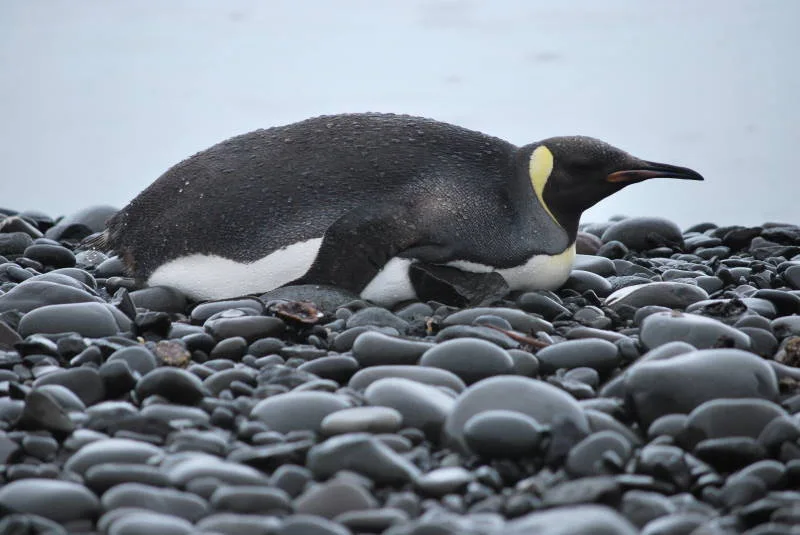
Emperor Penguin
Aptenodytes forsteri
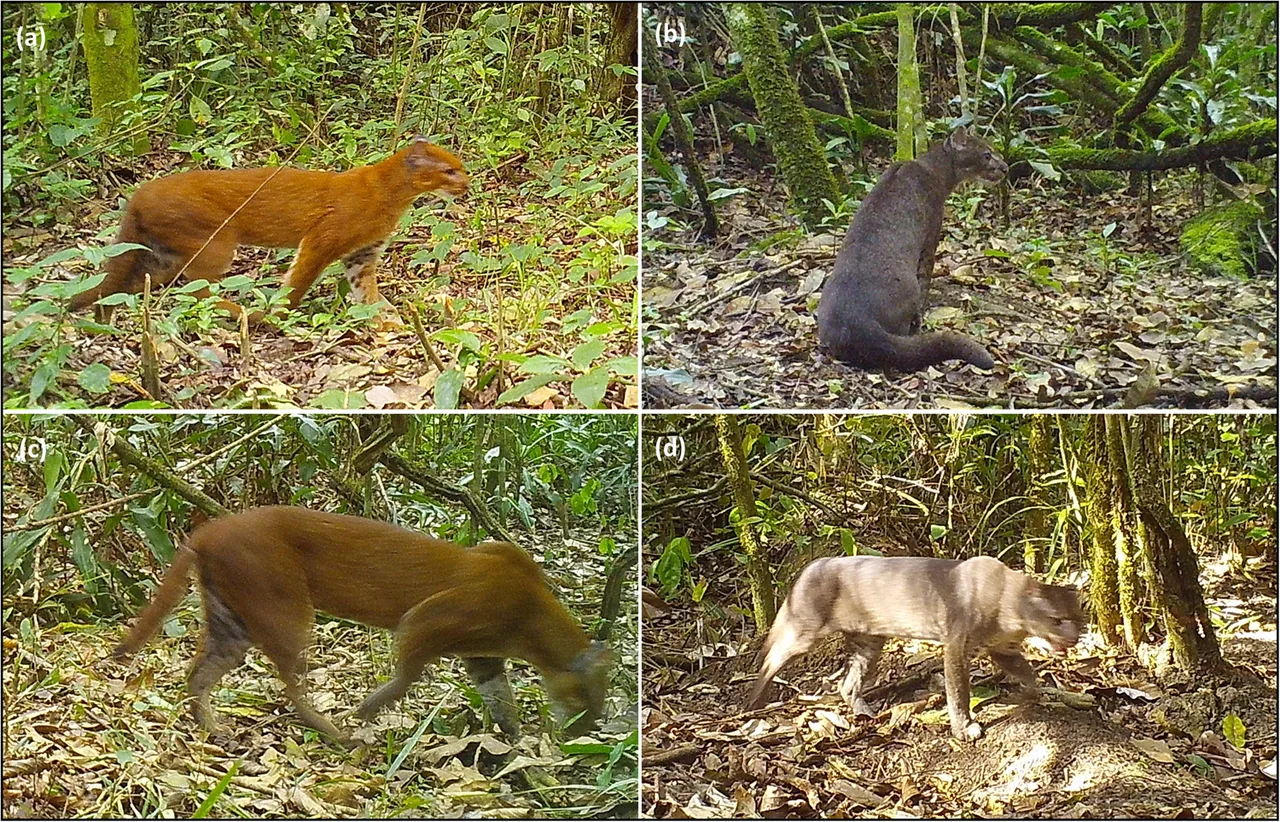
African Golden Cat
Caracal auratus
Evidence from the profiles
Compare their characteristics
| Trait | Emperor Penguin | African Golden Cat |
|---|---|---|
| Physical traits | Adults are large, with a dark head and back, a pale front and yellow-orange markings around the neck. | The body is robust and the coat varies between reddish and grayish forms. Spotting can be more visible on some parts of the body. |
| Habitat and range | Sea ice supports many breeding colonies, while surrounding marine waters provide food. | Dense African forest and secondary growth provide cover and hunting habitat. |
| Diet and nutrition | Fish, crustaceans and squid contribute to a marine diet that varies with availability. | Rodents and other forest mammals are important prey. Birds and additional small animals may also be taken. |
| Behavior and activity | Breeding birds form huddles that reduce heat loss. Feeding requires repeated dives beneath the surface. | It is generally solitary and difficult to observe in dense cover. Sparse observations should not be treated as a complete account of its daily behavior. |
| Reproduction and life cycle | A single egg is incubated on the parent's feet beneath a brood pouch. Parents alternate care and feeding trips as breeding proceeds. | Data unavailable |
| Geographic distribution | The species is associated with Antarctica and the Southern Ocean. Colony locations depend on local ice conditions. | The Mammal Diversity Database v2.5 records this species in Angola, Cameroon, Central African Republic, Cote d'Ivoire, Democratic Republic of the Congo, Equatorial Guinea, Gabon, Ghana, Guinea, Liberia, Nigeria, Republic of the Congo, Sierra Leone, Uganda, Benin?, Burundi?, Gambia?, Guinea-Bissau?, Kenya?, Rwanda?, Senegal?, Sudan?, Togo?. |
| Ecological role | Emperor penguins transfer marine food resources to breeding colonies and form part of Southern Ocean predator-prey communities. | Data unavailable |
| Distinctive adaptations | Insulation, huddling and specialized diving physiology support survival in cold environments. | Data unavailable |
| Conservation | Changes in the timing and stability of sea ice can disrupt breeding. An older population estimate or assessment should not substitute for current colony monitoring. | Data unavailable |
Classification
Shared ancestry
Closest shared taxon: Amniota.