 Living Beings

 Framed for display
Species · Caracal
African Golden Cat
Caracal auratus
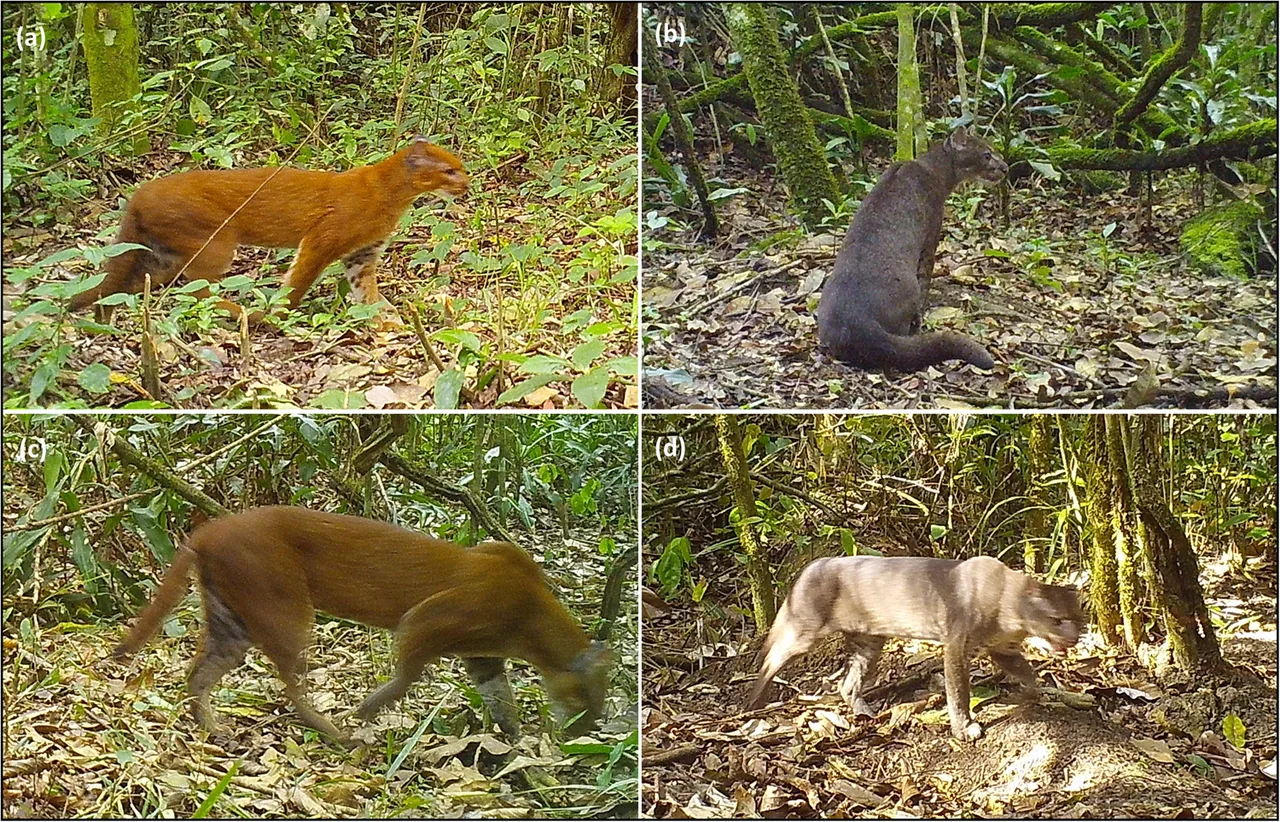
The African golden cat is an elusive forest cat, distinct from the Asian golden cat despite their similar common names. Understanding this …
Class · Scientific classification
Mammalia is the class of vertebrates whose members produce milk to nourish their young. Hair is a characteristic mammalian feature.
 Framed for display
Explore broader group · Chordata ↗
NCBI Taxonomy (2026-11-05 reconciled backbone) · Taxon source ↗
Group guide
Mammals have hair at some stage and produce milk to feed offspring. Hair is conspicuous on many terrestrial species and reduced in some aquatic mammals. These traits provide better guides to classification than land habitat or the overall shape of the animal.
Source for shared mammalian traits ↗Monotremes lay eggs and feed their young with milk. Marsupials and placental mammals give birth to live young, with different patterns of development before and after birth. Follow the class's child branches to compare how the same mammalian traits occur alongside different life histories.
Source for three living reproductive lineages ↗Platypuses and echidnas lay eggs, and their hatchlings feed on milk. Genomic comparisons of these two branches of monotremes help reconstruct which traits they inherited from earlier mammals and which features changed in particular lineages. They show why live birth works poorly as the single defining test for Mammalia.
Source for egg laying and milk occur together ↗Monotremes lay eggs. Marsupials give birth to highly undeveloped young, which continue growing while attached to a teat. Placental mammals also nurse their young, after a generally longer period of development before birth. All three branches belong to Mammalia.
Source for mammals reproduce in several ways ↗Mammalia · class · Original classification source
The original identifier and source were retained when adopting the dated NCBI backbone. Different sources may use different names, ranks or group circumscriptions.
Within this taxon
Framed for display
Caracal auratus
The African golden cat is an elusive forest cat, distinct from the Asian golden cat despite their similar common names. Understanding this …
 Framed for display
Loxodonta africana
The African savanna elephant is a large, social herbivore whose trunk serves as a nose, a drinking tool and a remarkably precise …
 Framed for display
Lycaon pictus
Botswana field observations show how pack members’ signals help determine when African wild dogs leave a resting site.
 Framed for display
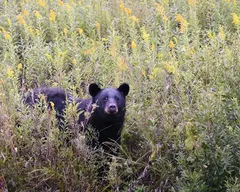
Ursus americanus
The American black bear is a forest-associated North American omnivore whose coat is not always black. Seasonal changes in food strongly shape …
 Framed for display
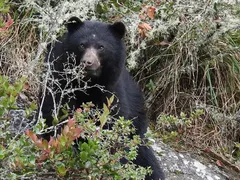
Tremarctos ornatus
The Andean bear, also called the spectacled bear, is the living bear native to South America. It connects forests and high mountain …
 Framed for display
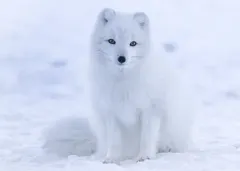
Vulpes lagopus
The Arctic fox is a small northern canid adapted to cold, open landscapes. Dense fur, compact ears and fur-covered feet help it …
 Framed for display
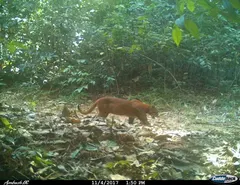
Catopuma temminckii
The Asian golden cat is a medium-sized forest felid with variable coloration. Its name should not be taken to mean that every …
 Framed for display
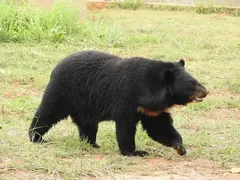
Ursus thibetanus
The Asiatic black bear is a forest-dwelling bear recognized by a pale chest crescent. It combines climbing ability with a varied diet, …
 Framed for display
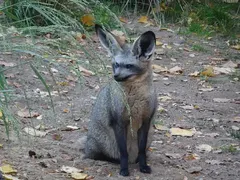
Otocyon megalotis
The bat-eared fox is an African canid whose diet is unusually focused on insects. Large ears are relevant to finding small concealed …
 Framed for display
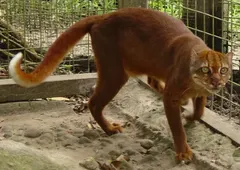
Catopuma badia
The bay cat is a rarely observed forest cat of Borneo. Because information remains limited, confident claims about its population or detailed …
 Framed for display
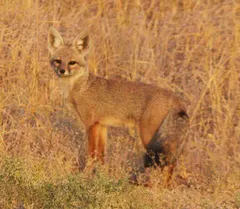
Vulpes bengalensis
The Bengal fox is a South Asian fox of relatively open landscapes. It combines small-animal hunting with the use of seasonal plant …
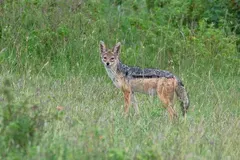 Framed for display
Lupulella mesomelas
The black-backed jackal is an African predator and scavenger recognized by a dark saddle across its back. Its flexibility includes both independent …
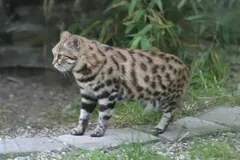 Framed for display
Felis nigripes
The black-footed cat is a small southern African hunter of open, dry country. It is a separate species from the domestic cat …
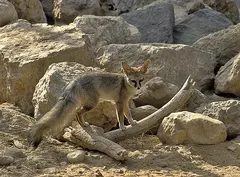 Framed for display
Vulpes cana
Blanford’s fox is a small canid associated with steep, dry terrain. Its feeding ecology includes substantial insect and fruit use, contrasting with …
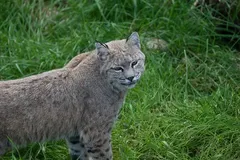 Framed for display
Lynx rufus
The bobcat is a short-tailed North American felid that uses many different environments. Its adaptability should not obscure its need for cover, …
 Framed for display
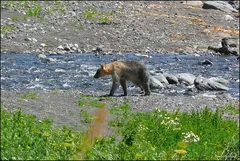
Ursus arctos
Brown bears are large omnivores with a prominent shoulder hump and powerful forelimbs. Their diets and seasonal routines change with the foods …
 Framed for display
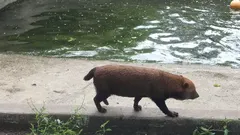
Speothos venaticus
The bush dog is a compact South American canid associated with forests and wet landscapes. Its build and cooperative behavior differ markedly …
 Framed for display
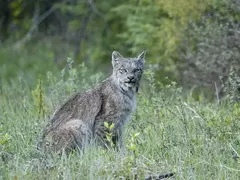
Lynx canadensis
The Canada lynx is a northern forest cat with a close ecological connection to snowshoe hares. Changes in hare abundance can influence …
 Framed for display
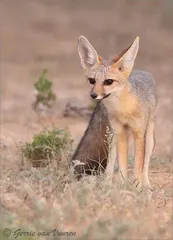
Vulpes chama
The Cape fox is a small southern African canid associated with open, dry country. It is a true fox in Vulpes and …
 Framed for display
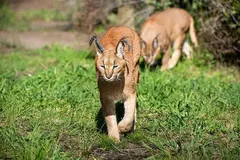
Caracal caracal
The caracal is a solitary hunter of wooded, scrubby and open landscapes. It is often recognized by its ear tufts, but its …
 Framed for display
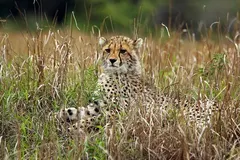
Acinonyx jubatus
Movement records from wild cheetahs in Botswana show why braking and turning matter as much as speed during a chase.
 Framed for display
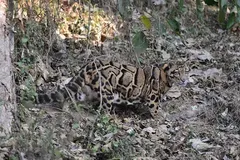
Neofelis nebulosa
The mainland clouded leopard is a forest cat whose striking markings are only one part of its specialization. Its climbing ability links …
 Framed for display
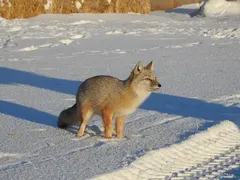
Vulpes corsac
The corsac fox is a canid of Asian steppe and semi-desert. It depends on local shelter and small prey in landscapes that …
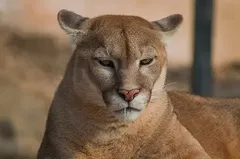 Framed for display
Puma concolor
Cougars do more than hunt ungulates. In Greater Yellowstone, carcasses they left behind supported a richer community of beetles.
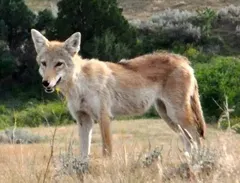 Framed for display
Canis latrans
The coyote is an adaptable North American canid that can live in natural and human-modified landscapes. Its success reflects flexible food use …
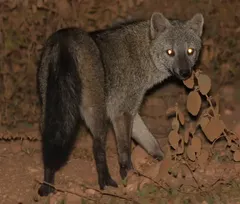 Framed for display
Cerdocyon thous
The crab-eating fox is a South American omnivore with a much broader diet than its common name suggests. It belongs to Cerdocyon …
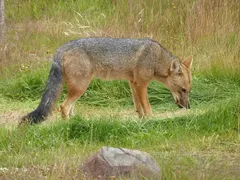 Framed for display
Lycalopex culpaeus
The culpeo is a South American canid also called the Andean fox. Its presence in a range of environments reflects flexible habitat …
 Framed for display
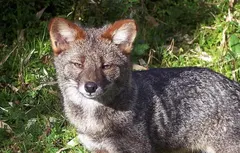
Lycalopex fulvipes
Darwin’s fox is a forest-associated Chilean canid with a restricted distribution. Its natural history differs from the open-country image commonly associated with …
 Framed for display
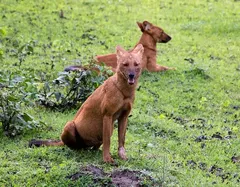
Cuon alpinus
The dhole is a social Asian canid with a hunting system centered on group cooperation. It belongs to Cuon, a separate genus …
 Framed for display
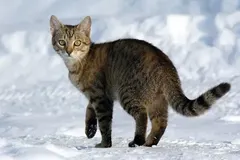
Felis catus
Ancient cat genomes help distinguish domestic cats carried into Europe from native wildcats with similar bones.
 Framed for display
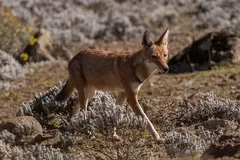
Canis simensis
The Ethiopian wolf is a specialized hunter of highland rodents. Its ecological niche differs from that of wolves that regularly cooperate to …
 Framed for display
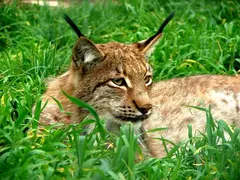
Lynx lynx
The Eurasian lynx is a large lynx whose prey can be substantially bigger than the rabbits and hares associated with some other …
 Framed for display
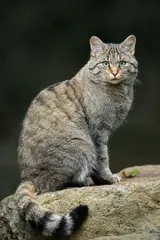
Felis silvestris
The wildcat is a wild Felis lineage whose taxonomic boundaries have changed between references. This profile follows the linked current classification and …
 Framed for display
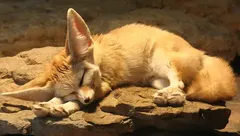
Vulpes zerda
The fennec is a small desert fox with exceptionally large ears. Its lifestyle depends on underground shelter and finding dispersed food rather …
 Framed for display
Prionailurus viverrinus
The fishing cat is a sturdy wetland-associated felid. Its name reflects an important part of its diet, but it should not be …
 Framed for display
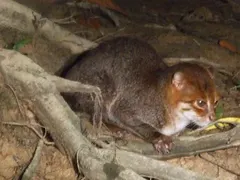
Prionailurus planiceps
The flat-headed cat is a small Southeast Asian felid associated with freshwater environments. Its unusual head shape and wetland feeding ecology set …
 Framed for display
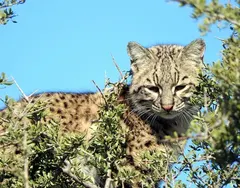
Leopardus geoffroyi
Geoffroy’s cat is a small spotted felid of southern South America. It uses a wider range of environments than a forest-only image …
 Framed for display
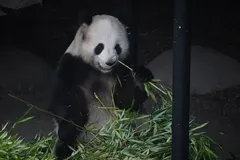
Ailuropoda melanoleuca
The giant panda is a bamboo-specialist bear of Chinese mountain forests. Its familiar black-and-white appearance conceals an unusual feeding strategy: a member …
 Framed for display
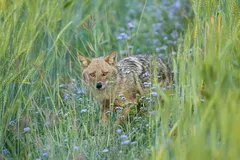
Canis aureus
The golden jackal is an adaptable canid whose common name has historically been applied too broadly. This account uses the current linked …
 Framed for display
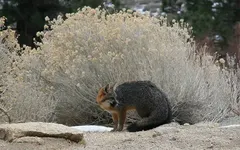
Urocyon cinereoargenteus
The gray fox is a North American canid with an unusual climbing ability. This makes woodland structure important in a way that …
 Framed for display
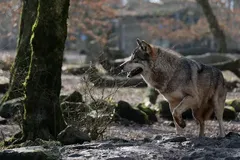
Canis lupus
Gray wolves are social canids whose family groups coordinate travel, defense and the care of young. Their behavior is flexible: prey, terrain …
 Framed for display
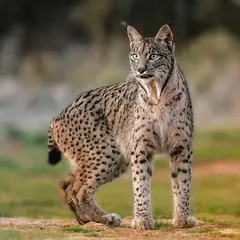
Lynx pardinus
The Iberian lynx is a spotted cat whose ecology is strongly linked to European rabbits. Its conservation story depends on prey recovery …
 Framed for display
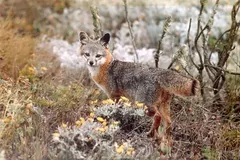
Urocyon littoralis
The island fox lives naturally on six California Channel Islands, each with its own recognized subspecies and population history.
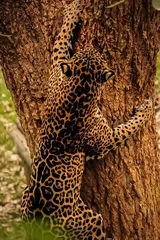 Framed for display
Panthera onca
The jaguar is the largest living cat native to the Americas. Its stocky build, broad head and rosetted coat suit an ambush …
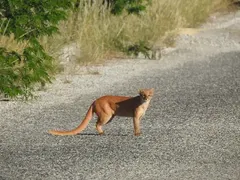 Framed for display
Herpailurus yagouaroundi
Camera traps recorded the slender jaguarundi mainly by day in forests where ocelots were usually detected at night.
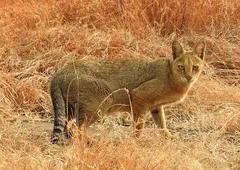 Framed for display
Felis chaus
The jungle cat frequently uses dense vegetation near water. Its common name can be misleading: reed beds, wetland edges and other covered …
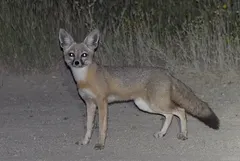 Framed for display
Vulpes macrotis
The kit fox is a small North American fox associated with arid landscapes. Shelter use is central to its life in hot …
 Framed for display
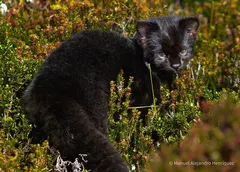
Leopardus guigna
The kodkod is a small forest-associated South American cat, also called the güiña. Dense vegetation and connected cover are important for understanding …
 Framed for display
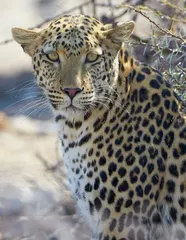
Panthera pardus
Rosettes, a muscular body and an unusually flexible choice of habitat distinguish the leopard. This solitary cat hunts from cover and can …
 Framed for display
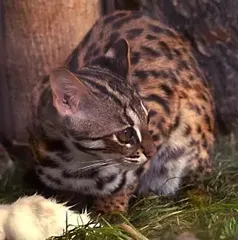
Prionailurus bengalensis
The leopard cat is a small Asian felid, not a miniature leopard in the genus Panthera. It uses a range of wooded …
 Framed for display
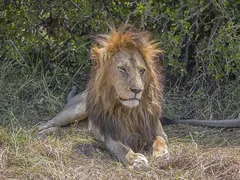
Panthera leo
Lions are social cats that live in groups called prides. A pride usually includes related females, their young, and one or more …
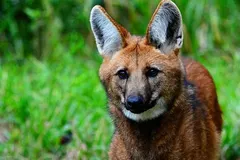 Framed for display
Chrysocyon brachyurus
The maned wolf is a long-legged South American canid, not a tall version of a gray wolf. Its feeding ecology combines animal …
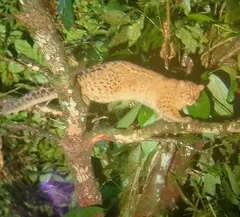 Framed for display
Pardofelis marmorata
The marbled cat is a forest felid with conspicuous coat markings and a long tail. Much of its natural history remains less …
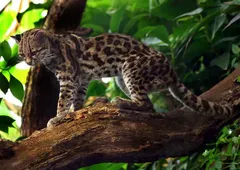 Framed for display
Leopardus wiedii
The margay is a small American cat especially noted for climbing. Its life in trees distinguishes it from superficially similar cats that …
Leopardus tigrinus
The northern tiger cat is a small spotted Leopardus. Older accounts used a broader tiger-cat concept, so biological descriptions and geographic records …
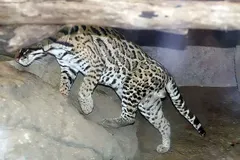 Framed for display
Leopardus pardalis
The ocelot is a patterned American cat that hunts through covered habitats. It is distinct from the smaller margay, even though their …
 Framed for display
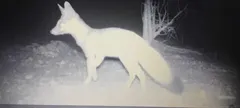
Vulpes pallida
In a study in southeastern Niger, insects and other arthropods turned up far more often than mammal remains in the pale fox’s …
 Framed for display
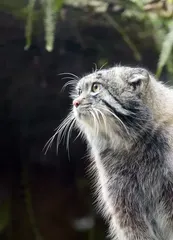
Otocolobus manul
Pallas’s cat is a compact-looking wild cat of Asian steppe and rocky landscapes. Its dense coat can make it look heavier than …
 Framed for display
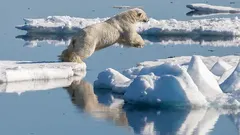
Ursus maritimus
The polar bear is an Arctic predator whose feeding ecology is closely tied to sea ice. Its relationship with ice makes habitat …
 Framed for display
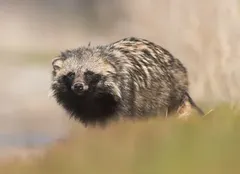
Nyctereutes procyonoides
The raccoon dog is a canid despite its raccoon-like facial pattern. This profile follows the linked species concept; references that included Japanese …
 Framed for display
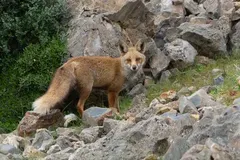
Vulpes vulpes
The red fox is a small canid with a pointed muzzle, large ears and a conspicuous tail. Its flexible feeding habits help …
 Framed for display
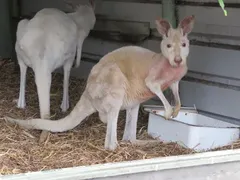
Osphranter rufus
The red kangaroo is a large Australian marsupial adapted to open, dry country. Powerful hind limbs and a muscular tail shape its …
 Framed for display
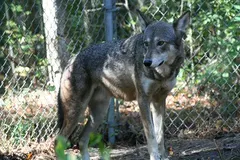
Canis rufus
The red wolf is a North American wolf with a complex conservation and taxonomic history. It should not be reduced to a …
 Framed for display
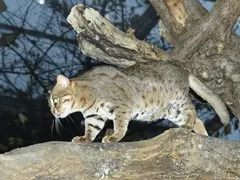
Prionailurus rubiginosus
The rusty-spotted cat is a very small South Asian felid. It can be difficult to observe, and its small size should not …
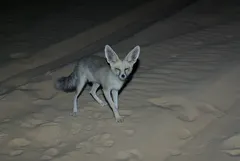 Framed for display
Vulpes rueppellii
Rüppell’s fox is a small canid of dry environments. Its combination of shelter use and flexible food choices illustrates that desert predators …
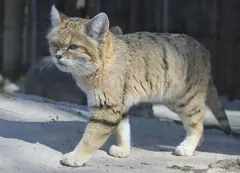 Framed for display
Felis margarita
Radio tracking in the Moroccan Sahara shows how far a small sand cat may move beyond its daytime shelter.
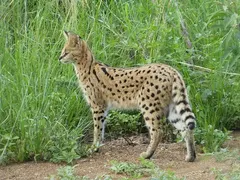 Framed for display
Leptailurus serval
The serval is a long-legged African cat associated with grassy and wetland-edge habitats. Its proportions support a hunting style focused on detecting …
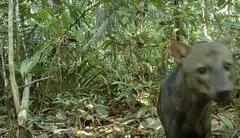 Framed for display
Atelocynus microtis
The short-eared dog is a secretive Amazonian canid associated with forest cover. Its rarity in observations means that behavior inferred from a …
 Framed for display
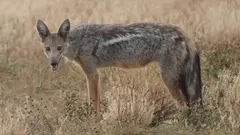
Lupulella adusta
The side-striped jackal is an African canid with a broad omnivorous diet. Its classification in Lupulella separates it from the golden jackal …
 Framed for display
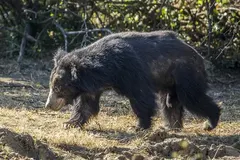
Melursus ursinus
The sloth bear is an insect-feeding specialist of the Indian subcontinent. Despite its name it is a bear, not a sloth, and …
 Framed for display
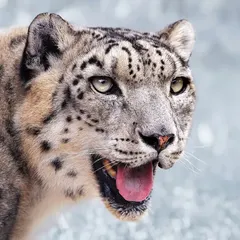
Panthera uncia
The snow leopard is a mountain-adapted member of Panthera. Its long tail, dense coat and use of rugged terrain distinguish it from …
 Framed for display
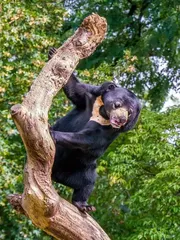
Helarctos malayanus
The sun bear is a small tropical forest bear of Southeast Asia. Curved claws, climbing ability and a long mobile tongue help …
 Framed for display
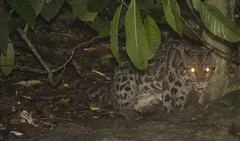
Neofelis diardi
The Sunda clouded leopard is distinct from the mainland clouded leopard. The separation matters when interpreting records from Borneo and Sumatra rather …
 Framed for display
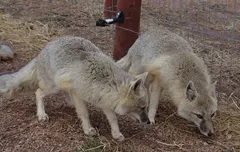
Vulpes velox
The swift fox is a small canid of North American open country. It uses dens not only for raising young but also …
 Framed for display
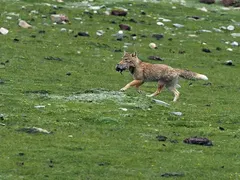
Vulpes ferrilata
The Tibetan fox is a highland canid associated with the Tibetan Plateau and nearby landscapes. Its ecology is tied to small mammals …
 Framed for display
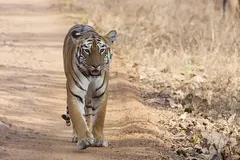
Panthera tigris
Tigers are large, striped cats native to Asia. Adults generally live and hunt alone.