 Living Beings
Compare species
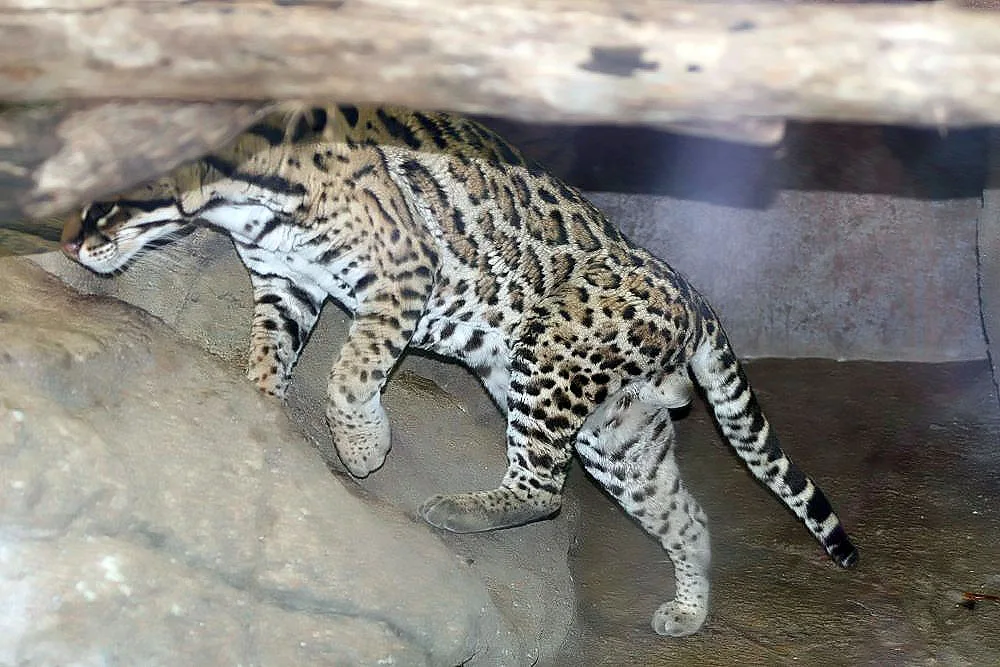
Ocelot
Leopardus pardalis
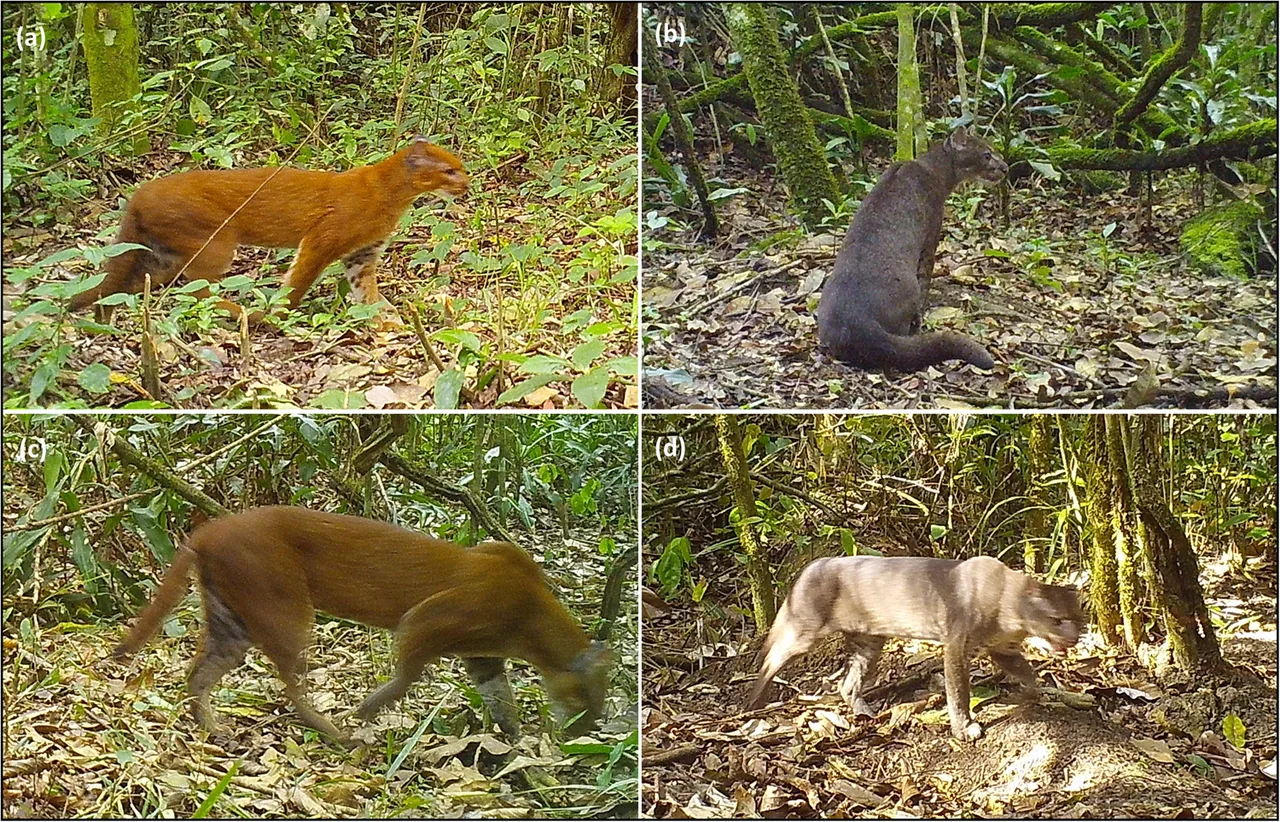
African Golden Cat
Caracal auratus
Evidence from the profiles
Compare their characteristics
| Trait | Ocelot | African Golden Cat |
|---|---|---|
| Physical traits | Dark spots and elongated markings form complex patterns on a sturdy body. | The body is robust and the coat varies between reddish and grayish forms. Spotting can be more visible on some parts of the body. |
| Habitat and range | Forests, scrub and other habitats with substantial cover can be used, including some wetland-associated landscapes. | Dense African forest and secondary growth provide cover and hunting habitat. |
| Diet and nutrition | Small vertebrates are important foods, and prey is located using several senses, including scent. | Rodents and other forest mammals are important prey. Birds and additional small animals may also be taken. |
| Behavior and activity | Ocelots commonly travel and hunt alone. They can climb, but much hunting and movement take place on the ground. | It is generally solitary and difficult to observe in dense cover. Sparse observations should not be treated as a complete account of its daily behavior. |
| Geographic distribution | The Mammal Diversity Database v2.5 records this species in Argentina, Belize, Bolivia, Brazil, Colombia, Costa Rica, Ecuador, El Salvador, French Guiana, Guatemala, Guyana, Honduras, Mexico, Nicaragua, Panama, Paraguay, Peru, Suriname, United States, Venezuela. | The Mammal Diversity Database v2.5 records this species in Angola, Cameroon, Central African Republic, Cote d'Ivoire, Democratic Republic of the Congo, Equatorial Guinea, Gabon, Ghana, Guinea, Liberia, Nigeria, Republic of the Congo, Sierra Leone, Uganda, Benin?, Burundi?, Gambia?, Guinea-Bissau?, Kenya?, Rwanda?, Senegal?, Sudan?, Togo?. |
Classification
Shared ancestry
Closest shared taxon: Felinae.
Explore the taxonomy ↗