 Living Beings
Compare species
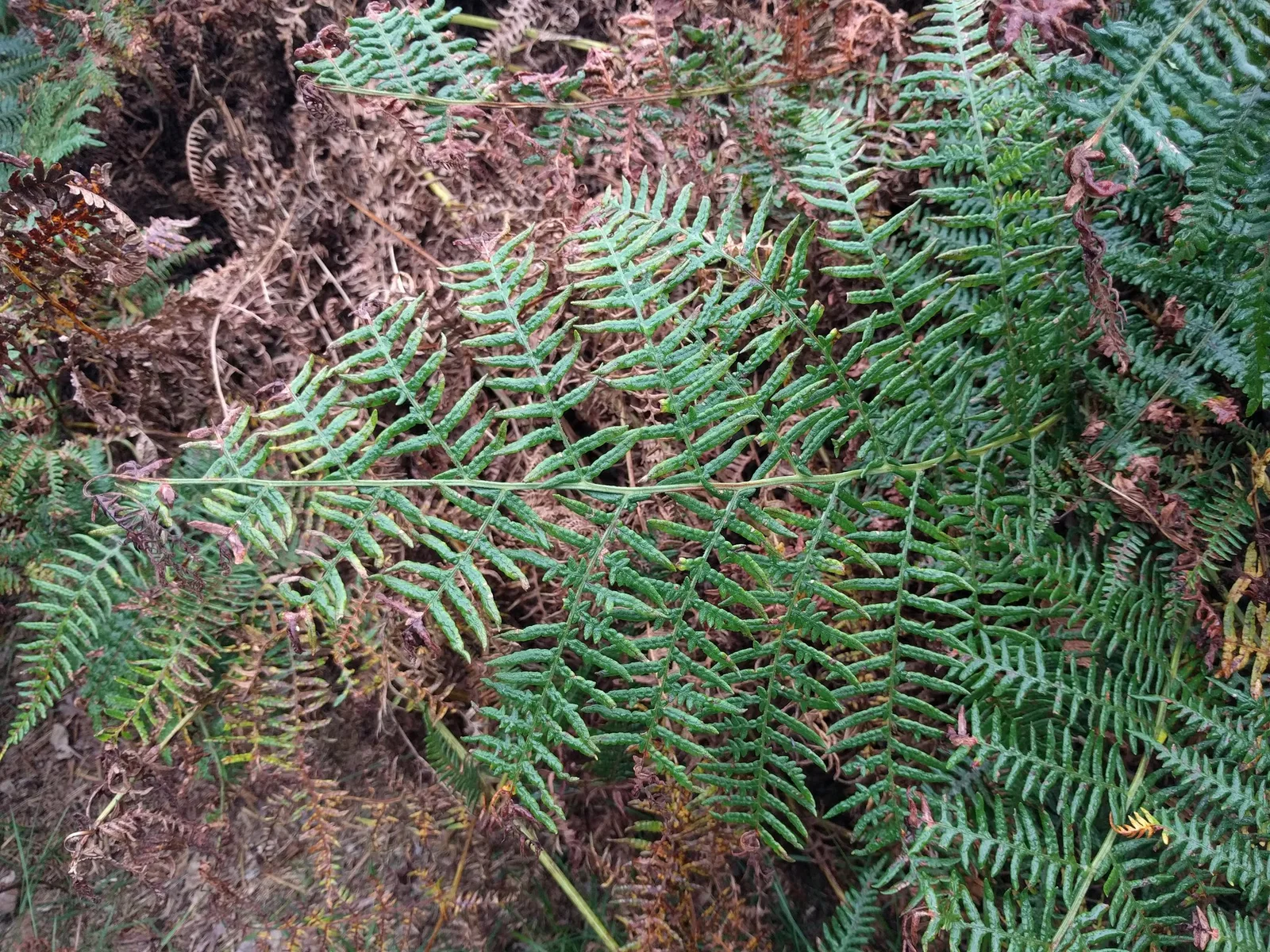
Common Bracken
Pteridium aquilinum
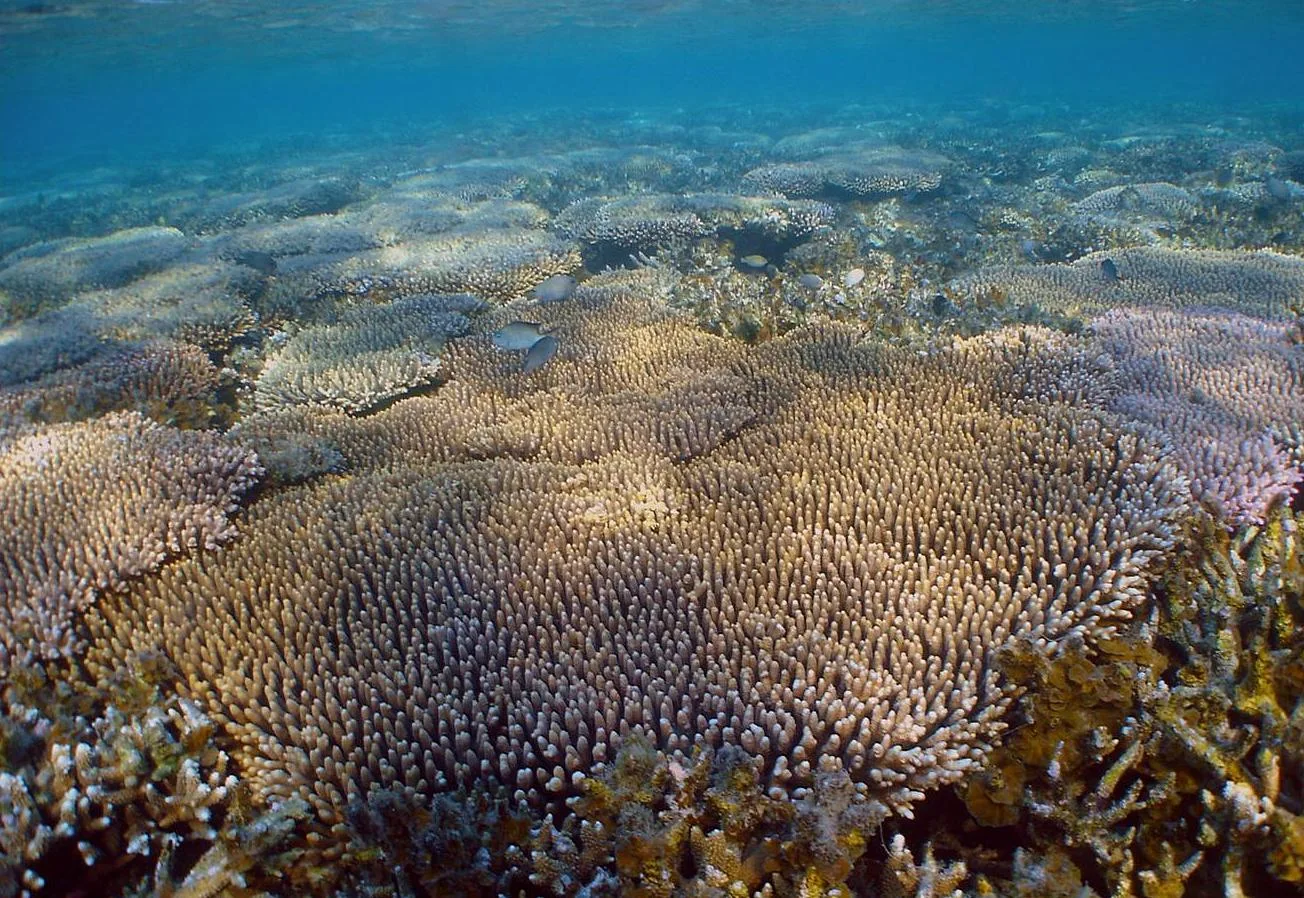
Acropora millepora
Acropora millepora
How to compare two organisms
Choose two species and trace their closest shared group. Then compare a trait with the same definition on each side. Check the units, life stage and context before interpreting a measurement or range.
Missing data means that the collection lacks a sourced value. Where a characteristic does not apply to a lineage, the comparison labels it separately. Open the two profiles for context and follow their sources before drawing a conclusion.
Evidence from the profiles
Compare their characteristics
| Trait | Common Bracken | Acropora millepora |
|---|---|---|
| Physical traits | Mature fronds have a broad, roughly triangular outline and are divided repeatedly into smaller segments. Upright stalks arise from underground rhizomes. Spore-producing structures occur along the margins of fertile fronds; a single visible frond represents only part of the plant. | Colonies form branching structures covered by small skeletal cups that house polyps. Colony color alone is insufficient for secure species identification. |
| Habitat and range | Bracken occupies open woodland, clearings, rough grassland and disturbed sites. British ecological studies describe substantial frond cover where growing conditions and disturbance permit. Soil moisture, exposure and the below-ground system influence the structure of a stand. | Shallow, well-lit marine reef environments support the coral and its photosynthetic partners. |
| Diet and nutrition | The green fronds obtain carbon through photosynthesis. Rhizomes store resources and supply emerging shoots, linking a new season's growth with reserves accumulated earlier. Bracken is not a flowering plant: its reproductive structures and seasonal resource stores have to be understood in the context of a fern life cycle. | Polyps capture small suspended food, while algal symbionts contribute photosynthetic products. |
| Behavior and activity | Growth is expressed as repeated emergence of fronds from the rhizome system. Rapid canopy development changes the light reaching the ground. Underground growth can survive the loss of visible fronds and supply renewed growth after disturbance. | Tentacles and mucus help the colony interact with surrounding seawater. Recognition mechanisms influence responses to microbes. |
| Reproduction and life cycle | Spores develop into a small, separate gametophyte generation. Fertilization starts the new sporophyte that becomes the large fern. Vegetative spread through rhizomes also extends established stands, independently of establishment from spores. | Colonies grow by producing additional polyps. Sexual reproduction can release gametes that develop into settling larvae. |
| Geographic distribution | Kew's current Plants of the World Online treatment gives the accepted species a native range in Macaronesia, northern and northeastern tropical Africa, the Arabian Peninsula, and Europe eastward to Siberia and Iran. This is narrower than older statements that bracken is nearly worldwide. Occurrences assigned to other Pteridium species are not silently combined here, and this summary is not a specimen-level distribution map. | The species occurs in the Indo-Pacific reef region. Species-level locality records should accompany detailed range mapping. |
| Ecological role | Dense fronds and accumulated litter affect the establishment of neighboring vegetation. The British flora account identifies stored rhizome resources, rapid spring growth and canopy development as important components of competitive ability. Their effects vary with environment and management. | Skeletal growth contributes reef structure and habitat. Symbiotic interactions are central to energy supply and colony health. |
| Distinctive adaptations | Protected underground reserves support recovery after above-ground disturbance. Rhizome growth and seasonal frond production allow a stand to persist even when individual fronds are short-lived. The connection between stored reserves and new shoots is central to this growth strategy. | A colonial body and partnerships with photosynthetic cells support growth in well-lit reef environments. |
| Conservation | No global threat category is assigned in this profile. Local management often concerns the persistence and dominance of stands. Range and management records must be matched to the species concept used in the regional flora. | Thermal stress, bleaching and degradation of reef habitat are concerns. A source on molecular recognition does not establish a current Red List category. |
Classification
Shared ancestry
Closest shared taxon: Eukaryota.
Sources from both profiles
Common Bracken
- Pteridium aquilinum · NCBI Taxonomy ↗
- Pteridium aquilinum — Plants of the World Online, Royal Botanic Gardens, Kew ↗
- Pteridium aquilinum — USDA Forest Service, Fire Effects Information System ↗
- Pteridium aquilinum (L.) Kuhn — accepted species and distribution ↗
- Biological Flora of the British Isles: Pteridium aquilinum (L.) Kuhn ↗