 Living Beings

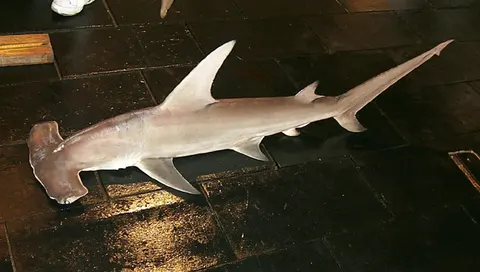 Framed for display
Species · Sphyrna
Great hammerhead shark
Sphyrna mokarran
The great hammerhead is the largest hammerhead species. The front margin of its broad head is nearly straight, with a notch in …
Life is connected
Explore ecological connections supported by reviewed evidence. Select a record, follow an arrow or trace a path.
1 reviewed ecological connection · 1 connected published profile
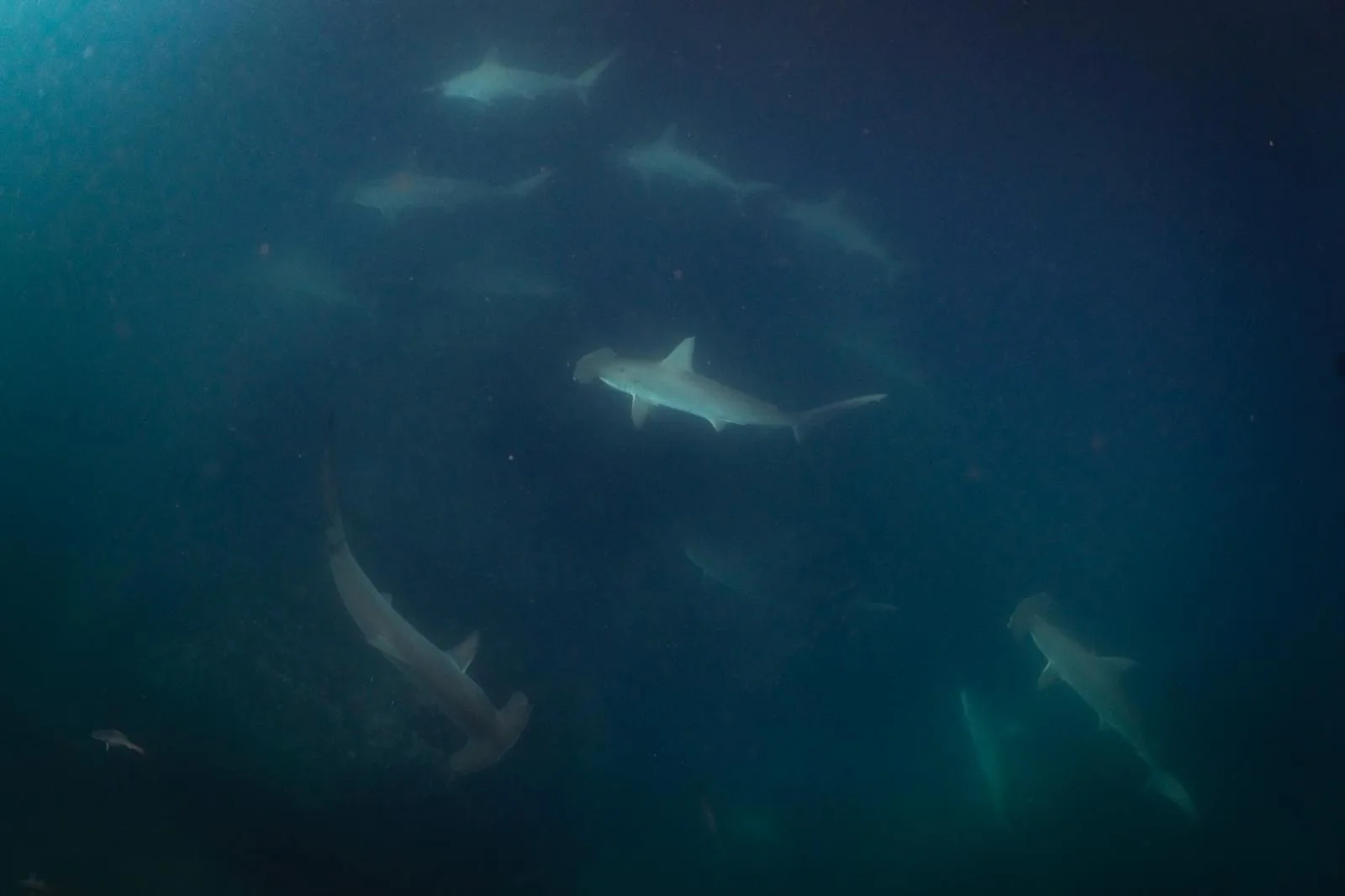 Framed for display
Predation describes a consumer capturing animal prey. Herbivory describes consumption of plants or algae. In mutualism, both partners benefit. Reef-building corals and their photosynthetic partners offer one example. NOAA’s coral explanation ↗
Follow an arrow from the organism to the recorded target, then open the evidence link for its context. A habitat association describes where an organism occurs. It says nothing by itself about what that organism eats. Blank areas show where this collection lacks a reviewed link.
No reviewed ecological connections are recorded for this selection yet. Explore the documented collection. Taxonomic relatives below are classification links, not evidence of an ecological interaction.
Paths follow arrow direction; symmetric relationships can be traversed both ways. Only recorded, reviewed connections are searched.
Drag to orbit or select a node to inspect it. Squares mark habitats. Arrows follow the recorded direction. Positions are schematic.
No reviewed ecological links match this organism yet. An empty network does not mean it has no relationships in nature.
Browse documented connections →0 reviewed connections shown
Another way to explore
These organisms share a recorded family. Classification does not establish an ecological interaction.
Framed for display
Sphyrna mokarran
The great hammerhead is the largest hammerhead species. The front margin of its broad head is nearly straight, with a notch in …