 Living Beings
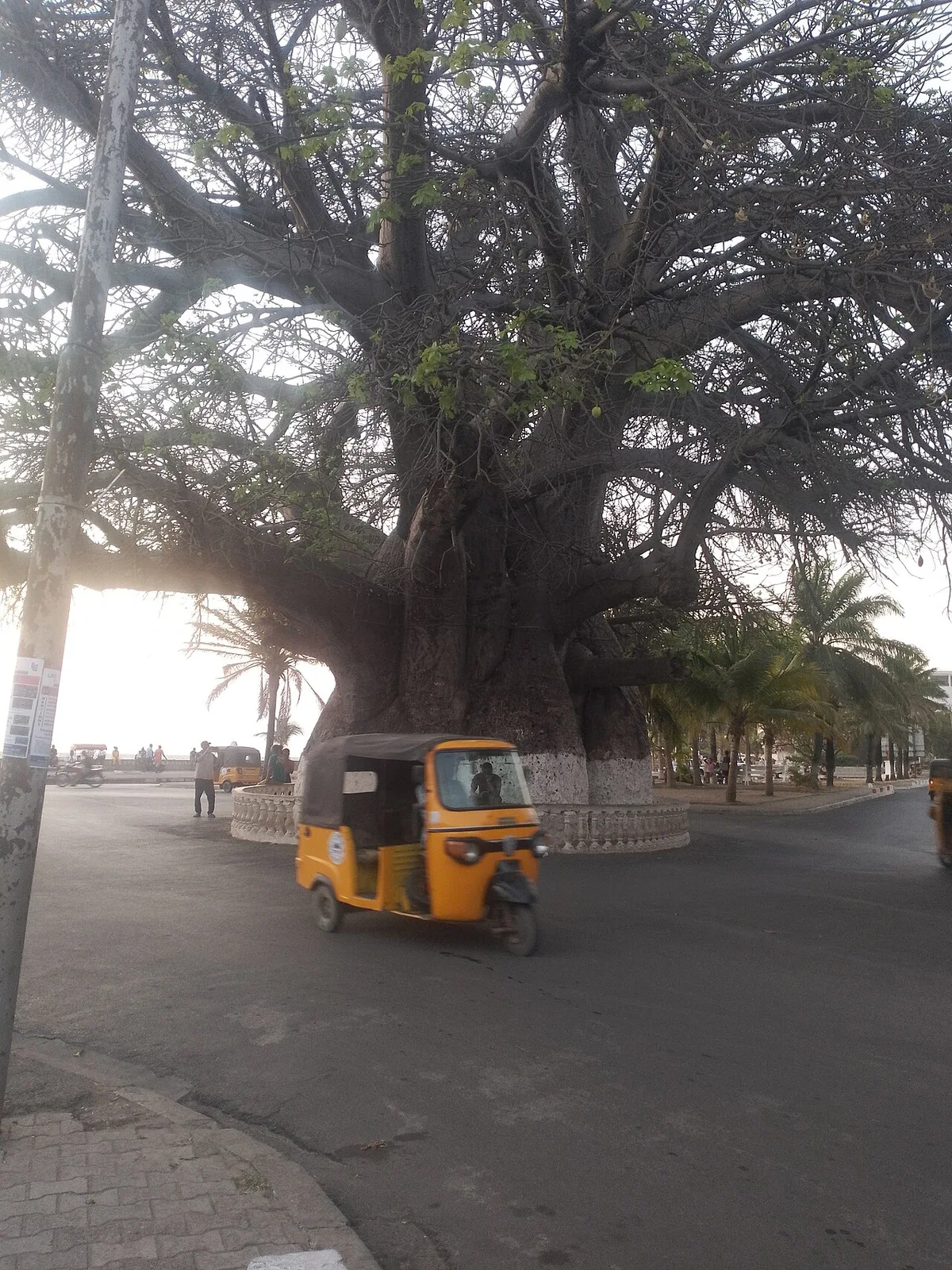
Le grand baobab Adansonia digitata 02.jpg · Resized and converted to WebP for display. Cultivated African baobab photographed in Madagascar. AI-generated illustration. Adansonia rayanne2 · CC0

Field guide · species
African Baobab
Adansonia digitata L., 1759
The African baobab is a tropical tree recognized by its enormous trunk and spreading crown. Its scientific epithet refers to the hand-like arrangement of the leaflets.
Public research profile · final editorial review pending.
Tree of lifeScientific lineage
- LifeLife
- DomainEukaryota
- KingdomViridiplantae
- PhylumStreptophyta
- ClassMagnoliopsida
- OrderMalvales
- FamilyMalvaceae
- GenusAdansonia
- SpeciesAdansonia digitata
Advanced classification
Complete source lineage, including intermediate ranks. The standard view uses Life and the eight principal ranks.
- cellular organisms cellular root
- Eukaryota domain
- Viridiplantae kingdom
- Streptophyta phylum
- Streptophytina subphylum
- Embryophyta clade
- Tracheophyta clade
- Euphyllophyta clade
- Spermatophyta clade
- Magnoliopsida class
- Mesangiospermae clade
- eudicotyledons clade
- Gunneridae clade
- Pentapetalae clade
- rosids clade
- malvids clade
- Malvales order
- Malvaceae family
- Bombacoideae subfamily
- Adansonia genus
- Adansonia digitata species
Structure and identification
Thick, fibrous bark surrounds a broad trunk. Each compound leaf has several leaflets radiating from a central point.
Habitat and range
A terrestrial tree of tropical Africa, it is adapted to seasonally dry conditions and is also planted in gardens and settlements.
Nutrition and metabolism
Leaves produce sugars through photosynthesis. Water and mineral nutrients are taken up through the roots.
Reproduction and life cycle
Large, hanging white flowers develop into capsules containing seeds embedded in pale, powdery pulp. New trees can be grown from seed.
Geographic distribution
Native to Africa and cultivated elsewhere. The accompanying photograph shows a planted specimen in Madagascar; that location should not be confused with the native range of every baobab species.
Ecological role
Its flowers, fruit and extensive woody structure provide biological resources. The familiar name baobab also applies to other species, which should not be confused with this one.
Distinctive adaptations
A substantial trunk and drought-resistant growth form help distinguish this tree from many humid-forest trees.
Evidence
Sources
- Adansonia digitata · NCBI Taxonomy ↗www.ncbi.nlm.nih.gov
- Adansonia digitata · Biological reference ↗www.nparks.gov.sg
Connected life
Relationships
No reviewed ecological connections in the collection yet.
Explore network ↗