 Living Beings
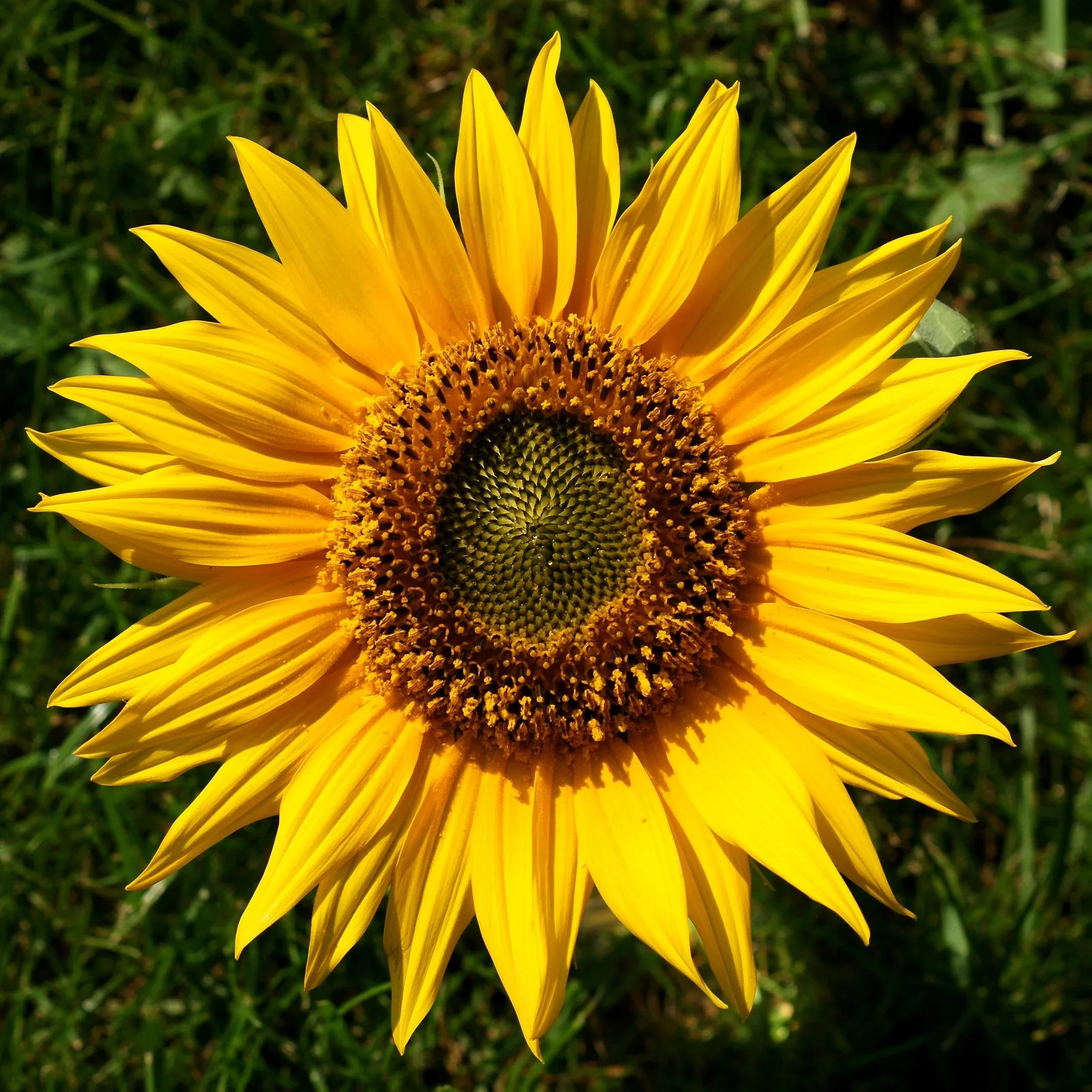
Sonnenblume Helianthus 1.JPG · Resized and converted to WebP for display. Documentary organism photograph; source identification retained. AI-generated illustration. böhringer friedrich · CC BY-SA 2.5

Field guide · species
Common Sunflower
Helianthus annuus L., 1753
The common sunflower is a fast-growing annual in the daisy family. Its conspicuous head is a collection of many small flowers, rather than a single oversized flower.
Public research profile · final editorial review pending.
Tree of lifeScientific lineage
- LifeLife
- DomainEukaryota
- KingdomViridiplantae
- PhylumStreptophyta
- ClassMagnoliopsida
- OrderAsterales
- FamilyAsteraceae
- GenusHelianthus
- SpeciesHelianthus annuus
Advanced classification
Complete source lineage, including intermediate ranks. The standard view uses Life and the eight principal ranks.
- cellular organisms cellular root
- Eukaryota domain
- Viridiplantae kingdom
- Streptophyta phylum
- Streptophytina subphylum
- Embryophyta clade
- Tracheophyta clade
- Euphyllophyta clade
- Spermatophyta clade
- Magnoliopsida class
- Mesangiospermae clade
- eudicotyledons clade
- Gunneridae clade
- Pentapetalae clade
- asterids clade
- campanulids clade
- Asterales order
- Asteraceae family
- Asteroideae subfamily
- Heliantheae alliance clade
- Heliantheae tribe
- Helianthus genus
- Helianthus annuus species
Structure and identification
Rough, hairy stems carry broad, toothed leaves. Yellow ray florets surround a darker central disk in familiar forms, although cultivated varieties differ in color and size.
Habitat and range
Open, sunny ground supports growth. Roadsides, fields and disturbed areas are common settings for wild or naturalized plants.
Nutrition and metabolism
Green leaves capture light and fix carbon through photosynthesis; roots absorb water and mineral nutrients.
Reproduction and life cycle
A seed germinates, the plant grows and flowers, and new seeds mature within one growing season. It does not persist through winter as the same adult plant in cold climates.
Geographic distribution
Native to North America and widely introduced through cultivation. A sunflower in a garden is not evidence of a native population.
Ecological role
Flower heads attract insects, while mature seed heads provide food for birds and squirrels.
Distinctive adaptations
A taproot and sturdy stem support growth in exposed places. Cultivation has selected forms with very different head sizes and branching patterns.
Evidence
Sources
- Helianthus annuus · NCBI Taxonomy ↗www.ncbi.nlm.nih.gov
- Helianthus annuus · Biological reference ↗plants.ces.ncsu.edu
- Helianthus annuus · Biological reference ↗powo.science.kew.org
Connected life
Relationships
No reviewed ecological connections in the collection yet.
Explore network ↗