 Living Beings
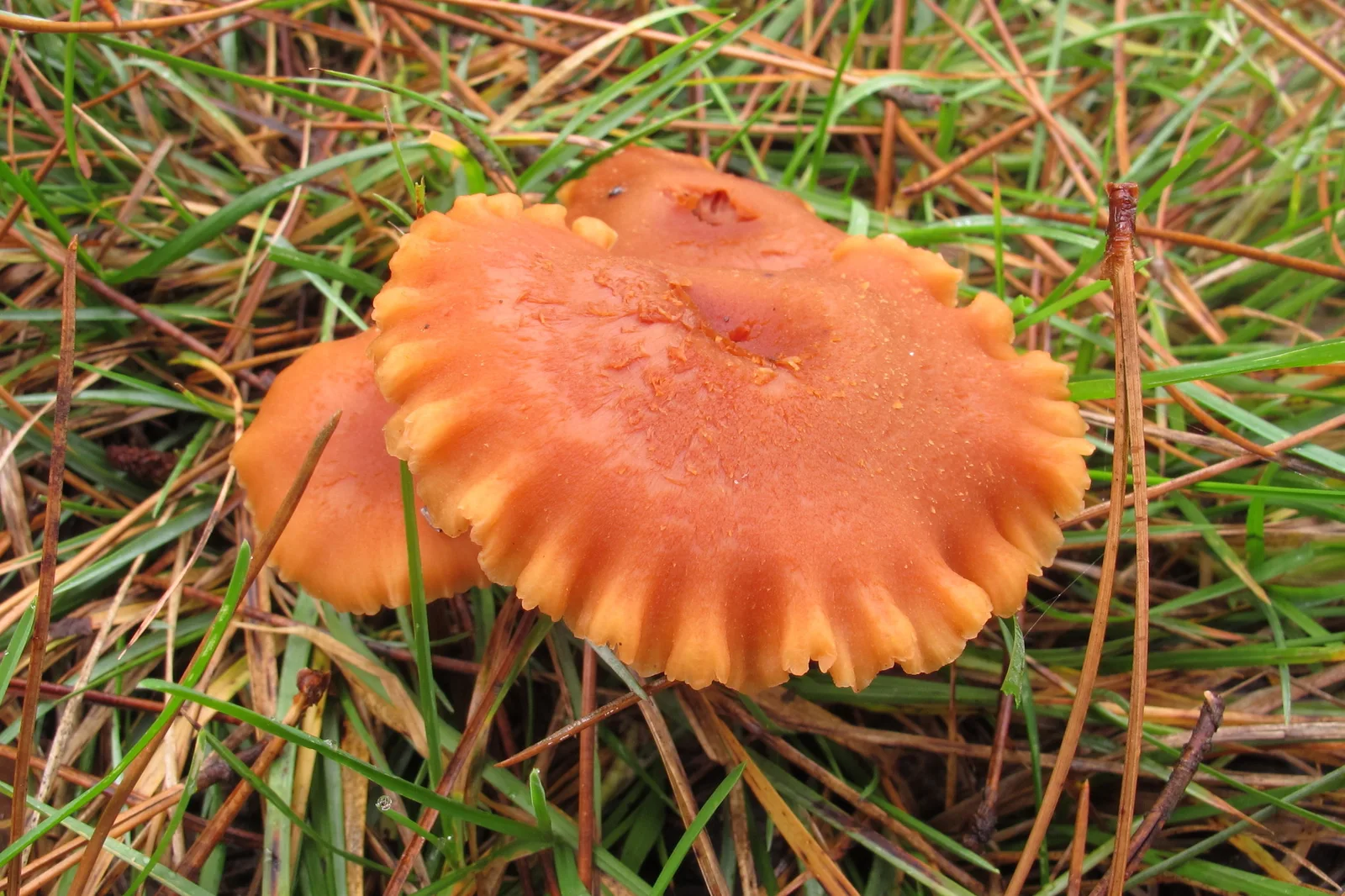
Laccaria bicolor 13068012.jpg · Resized and converted to WebP for display. Source-identified documentary image; see the original file for method and context. AI-generated illustration. mycowalt · CC BY-SA 4.0

Field guide · species
Laccaria bicolor
(Maire) P.D. Orton, 1960
Laccaria bicolor is a forest fungus that forms ectomycorrhizas with living tree roots. Its mushrooms are only the visible reproductive structures of a much more extensive hyphal network. The species became an important experimental model when its genome helped reveal how a root-associated fungus differs from fungi specialized in breaking down dead plant tissue.
Public research profile · final editorial review pending.
Tree of lifeScientific lineage
- LifeLife
- DomainEukaryota
- KingdomFungi
- PhylumBasidiomycota
- ClassAgaricomycetes
- OrderAgaricales
- FamilyHydnangiaceae
- GenusLaccaria
- SpeciesLaccaria bicolor
Advanced classification
Complete source lineage, including intermediate ranks. The standard view uses Life and the eight principal ranks.
- cellular organisms cellular root
- Eukaryota domain
- Opisthokonta clade
- Fungi kingdom
- Dikarya subkingdom
- Basidiomycota phylum
- Agaricomycotina subphylum
- Agaricomycetes class
- Agaricomycetidae subclass
- Agaricales order
- Agaricineae suborder
- Hydnangiaceae family
- Laccaria genus
- Laccaria bicolor species
Structure and identification
Young mushrooms combine a pinkish or tan cap with lilac tones in the gills and mycelium around the stem base. Those colors fade with age. The E-Flora BC account also describes a white spore deposit and ornamented spores. Related Laccaria can look similar, particularly after fading.
Habitat and range
Documented collections include mixed woodland and soil or moss beneath conifers. Compatible living roots are central to its ectomycorrhizal habitat. The reproductive mushrooms develop above a hyphal network whose root associations are largely hidden underground.
Nutrition and metabolism
The fungus receives plant-derived carbon through a root partnership while hyphae explore soil resources. Its genome lacks many enzymes that attack plant cell walls but retains other organic-substrate capabilities, distinguishing it from fungi specialized in aggressive breakdown of plant tissue.
Biological activity
Hyphae proliferate around and between the outer cells of colonized roots. The genome study identified small secreted proteins strongly associated with symbiotic tissues, connecting development of the root interface with altered fungal gene activity.
Reproduction and life cycle
Basidia on the gills produce spores. Spores provide opportunities to establish new fungal growth, while the vegetative mycelium occupies soil and root-associated habitats. Mushrooms are reproductive structures, rather than the whole extent of an individual fungus.
Geographic distribution
The species has documented North American collections, including several Canadian provinces and western and northern US states in the E-Flora BC treatment. A primary Swedish revision also recognizes Laccaria bicolor among the country's taxa. Together these establish a range extending beyond the genome reference isolate in North America and northern Europe. They do not justify assigning every photograph or culture a global wild range.
Ecological role
The root partnership contributes to forest carbon and nitrogen cycling. Experimental work uses Laccaria bicolor to investigate how a fungus colonizes living roots and coordinates resource exchange with a host.
Distinctive adaptations
Symbiosis-associated secreted proteins and selective enzyme capabilities distinguish its root-associated lifestyle. Fading pigments are also important for field identification: the lilac tones of fresh young specimens may be lost as the mushrooms age.
Evidence
Sources
- Laccaria bicolor · NCBI Taxonomy ↗NCBI
- The genome of Laccaria bicolor provides insights into mycorrhizal symbiosis ↗Nature · 2008
- Laccaria bicolor — species account and documented collections ↗E-Flora BC, University of British Columbia
- The Swedish taxa of Laccaria (Tricholomataceae) with notes on their distribution ↗Nordic Journal of Botany · 1991
Connected life
Relationships
No reviewed ecological connections in the collection yet.
Explore network ↗