Structure and identification
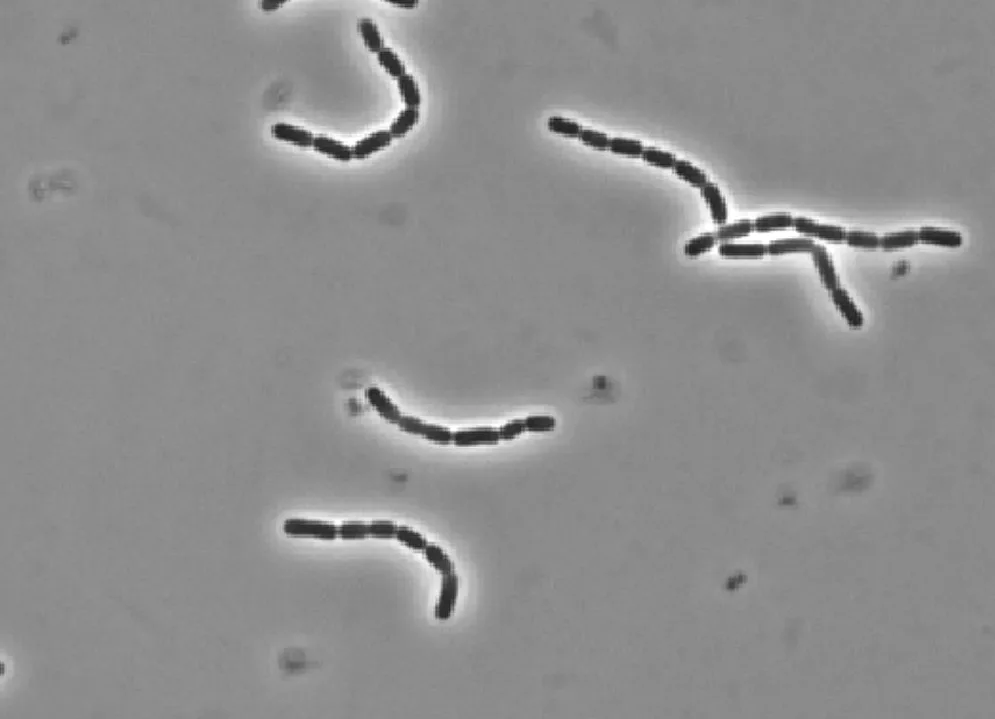
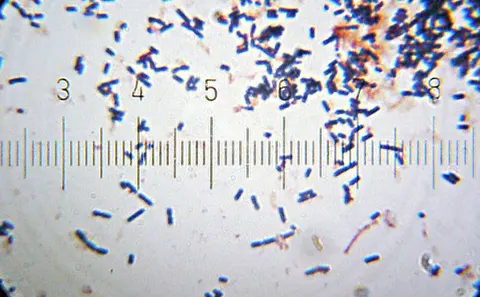
Cells are rod-shaped. Microscopic appearance alone cannot distinguish this species securely from related lactic acid bacteria.
Scientific source 1 ↗ · Scientific source 2 ↗ · Scientific source 3 ↗
Habitat and range
The species has been studied in fermented foods and host-associated settings. Survival and growth differ among strains and substrates.
Scientific source 1 ↗ · Scientific source 2 ↗ · Scientific source 3 ↗
Nutrition and metabolism
Carbohydrate metabolism produces lactic acid. A strain's ability to use particular sugars requires its own evidence.
Scientific source 1 ↗ · Scientific source 2 ↗ · Scientific source 3 ↗
Biological activity
Growth and stress responses change with the chemical environment. Studies of GG in yogurt concern that strain and tested conditions.
Scientific source 1 ↗ · Scientific source 2 ↗ · Scientific source 3 ↗
Reproduction and life cycle
Cells reproduce through division. The name GG denotes an inherited strain identity, not a reproductive stage.
Scientific source 1 ↗ · Scientific source 2 ↗ · Scientific source 3 ↗
Geographic distribution
Food and research cultures are distributed widely. The origin and identity of an isolate should accompany an occurrence record.
Scientific source 1 ↗ · Scientific source 2 ↗ · Scientific source 3 ↗
Ecological role
Fermentation and host-associated microbial communities provide contrasting settings for interactions with other organisms.
Scientific source 1 ↗ · Scientific source 2 ↗ · Scientific source 3 ↗
Distinctive adaptations
Differences in adhesion, metabolism and stress tolerance can distinguish strains within the same species.
Scientific source 1 ↗ · Scientific source 2 ↗ · Scientific source 3 ↗
 Living Beings

 Framed for display