 Living Beings
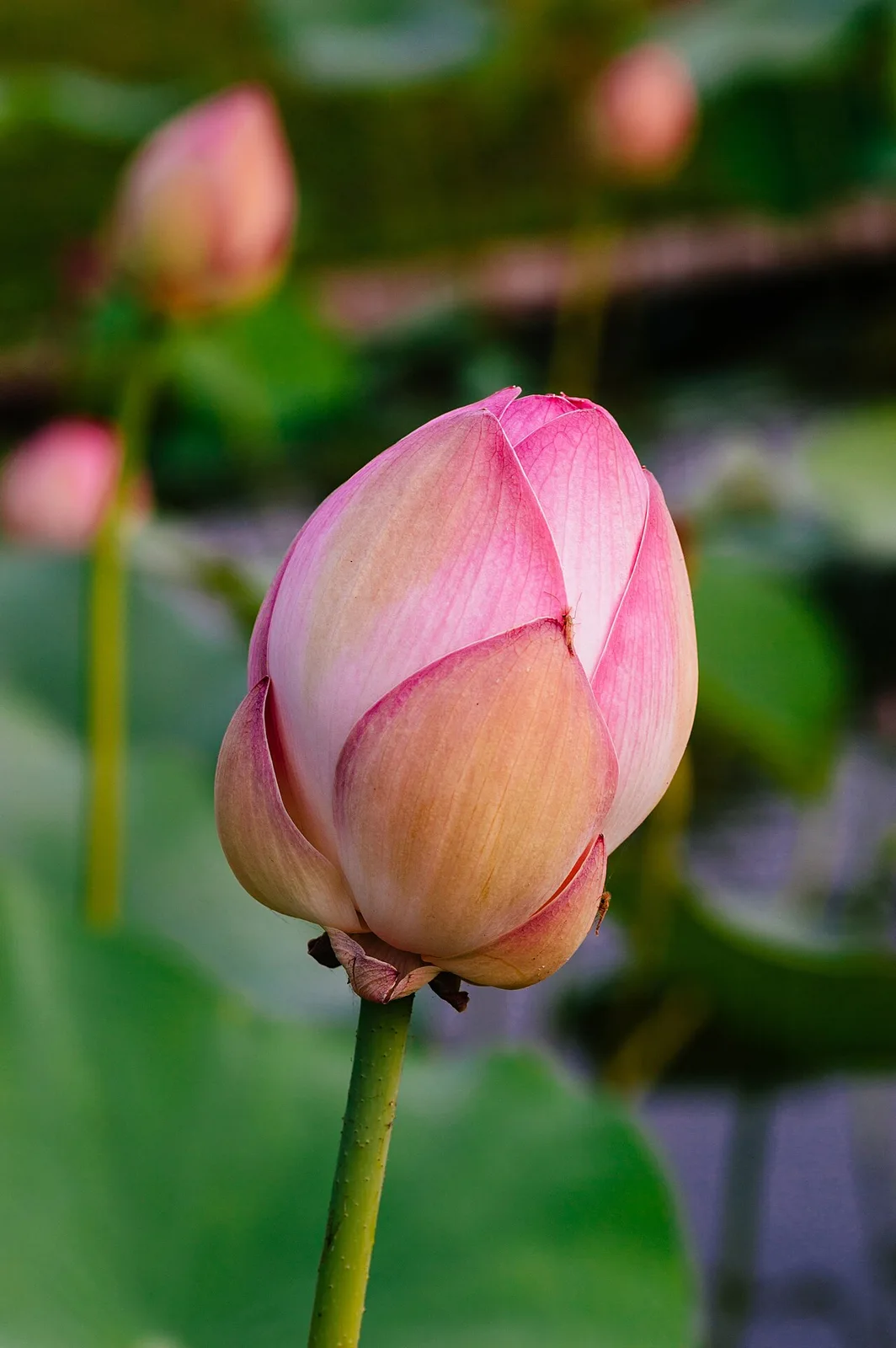
Nelumbo nucifera, also known as Indian lotus in bud stage (Image 7 of 7).jpg · Resized and converted to WebP for display. Documentary organism photograph; source identification retained. AI-generated illustration. Subhrajyoti07 · CC BY-SA 4.0

Field guide · species
Sacred Lotus
Nelumbo nucifera Gaertn., 1788
The sacred lotus is a perennial aquatic flowering plant rooted in muddy freshwater. Broad round leaves, solitary flowers and spreading rhizomes make it a distinctive water-garden plant.
Public research profile · final editorial review pending.
Tree of lifeScientific lineage
- LifeLife
- DomainEukaryota
- KingdomViridiplantae
- PhylumStreptophyta
- ClassMagnoliopsida
- OrderProteales
- FamilyNelumbonaceae
- GenusNelumbo
- SpeciesNelumbo nucifera
Advanced classification
Complete source lineage, including intermediate ranks. The standard view uses Life and the eight principal ranks.
- cellular organisms cellular root
- Eukaryota domain
- Viridiplantae kingdom
- Streptophyta phylum
- Streptophytina subphylum
- Embryophyta clade
- Tracheophyta clade
- Euphyllophyta clade
- Spermatophyta clade
- Magnoliopsida class
- Mesangiospermae clade
- Proteales order
- Nelumbonaceae family
- Nelumbo genus
- Nelumbo nucifera species
Structure and identification
Rounded green to bluish-green leaves are carried on stalks. The familiar flowers can be pink and are borne singly.
Habitat and range
Freshwater ponds and other still-water settings provide waterlogged soil in which the rhizomes grow. Strong light supports its photosynthetic foliage.
Nutrition and metabolism
Like other green flowering plants, lotus obtains energy through photosynthesis rather than by absorbing food from mud. Roots supply water and minerals.
Reproduction and life cycle
The plant can reproduce from seeds and spread vegetatively through rhizomes. A planted patch therefore need not consist of many independent seedlings.
Geographic distribution
Native to Asia and northeastern Australia and cultivated widely beyond that region.
Ecological role
Emergent foliage adds structure to shallow freshwater habitat. Its cultural importance and cultivated distribution should not be mistaken for evidence that it is native everywhere it grows.
Distinctive adaptations
Underground rhizomes provide a persistent storage and growth organ beneath the seasonal leaves and flowers.
Evidence
Sources
- Nelumbo nucifera · NCBI Taxonomy ↗www.ncbi.nlm.nih.gov
- Nelumbo nucifera · Biological reference ↗www.nparks.gov.sg
Connected life
Relationships
No reviewed ecological connections in the collection yet.
Explore network ↗