Structure and identification
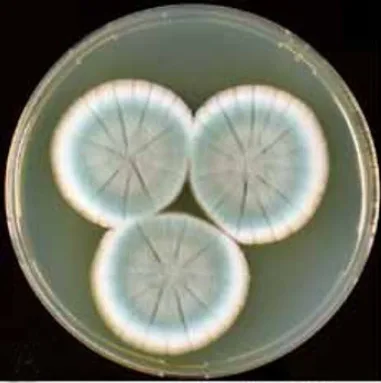
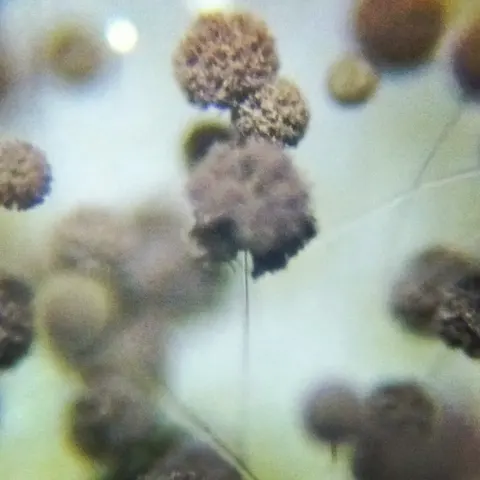
Branching hyphae produce brush-like conidiophores bearing chains of spores. Microscopic and molecular characters are needed for reliable identification.
Scientific source ↗
Habitat and range
The fungus can grow on suitable organic substrates and is maintained in laboratory and industrial culture collections.
Scientific source ↗
Nutrition and metabolism
Nutrients are absorbed after growth and enzyme activity on organic material. Selected strains have been developed for penicillin production.
Scientific source ↗
Biological activity
A spreading mycelium explores a substrate and produces conidia when conditions permit.
Scientific source ↗
Reproduction and life cycle
Conidia disperse asexual propagules and germinate into new hyphae. This account does not infer a sexual cycle from that of a related species.
Scientific source ↗
Geographic distribution
Documented isolates and cultures are distributed internationally. Historical records under P. chrysogenum need reassessment before being assigned to this species.
Scientific source ↗
Ecological role
Its decomposition role and its industrial history concern different settings; neither should be used as a universal description of every isolate.
Scientific source ↗
Distinctive adaptations
Conidial dispersal and strain-specific secondary metabolism contribute to its biological and historical significance.
Scientific source ↗
 Living Beings

 Framed for display