Structure and identification
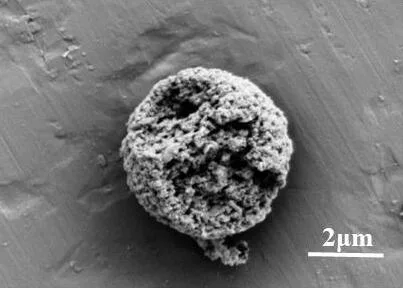
Small, irregular cells are studied through microscopy and molecular methods. A protein structure from this species is not a photograph of the organism.
Scientific source 1 ↗ · Scientific source 2 ↗
Habitat and range
Hot, acidic terrestrial environments provide its characteristic setting, reproduced selectively in laboratory culture.
Scientific source 1 ↗ · Scientific source 2 ↗
Nutrition and metabolism
The reference genome encodes systems for sugar, protein and sulfur-related metabolism, reflecting several potential resource-use pathways.
Scientific source 1 ↗ · Scientific source 2 ↗
Biological activity
Transport and sensory systems connect cellular activity to environmental resources. Mobile genetic elements contribute to genome variation.
Scientific source 1 ↗ · Scientific source 2 ↗
Reproduction and life cycle
Replication, genome maintenance and cell division support culture growth. The P2 genome contains numerous mobile elements.
Scientific source 1 ↗ · Scientific source 2 ↗
Geographic distribution
The reference strain has a documented geothermal origin. Laboratory use across countries is not a map of natural populations.
Scientific source 1 ↗ · Scientific source 2 ↗
Ecological role
Its physiology contributes to the diversity of microorganisms inhabiting acidic geothermal environments.
Scientific source 1 ↗ · Scientific source 2 ↗
Distinctive adaptations
The P2 genome study found abundant mobile genetic elements and many transport, protease and sugar-metabolism genes. This documents a flexible genomic and metabolic repertoire in an identified research strain. The original paper used Sulfolobus solfataricus; later taxonomic work transferred the species to Saccharolobus, so both names occur in its scientific literature.
Scientific source 1 ↗ · Scientific source 2 ↗
 Living Beings

 Framed for display