 Living Beings

Field guide · species
Streptomyces coelicolor
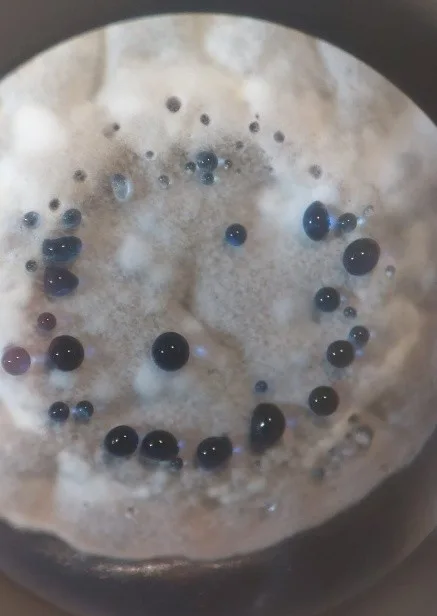
Streptomyces coelicolor is a filamentous soil bacterium and a model for studying microbial development and secondary metabolism. Its branching growth resembles a fungal mycelium, but it belongs to Bacteria.
Public research profile · final editorial review pending.
Tree of lifeScientific lineage
- LifeLife
- DomainBacteria
- KingdomBacillati
- PhylumActinomycetota
- ClassActinomycetes
- OrderKitasatosporales
- FamilyStreptomycetaceae
- GenusStreptomyces
- SpeciesStreptomyces coelicolor
Advanced classification
Complete source lineage, including intermediate ranks. The standard view uses Life and the eight principal ranks.
- cellular organisms cellular root
- Bacteria domain
- Bacillati kingdom
- Actinomycetota phylum
- Actinomycetes class
- Kitasatosporales order
- Streptomycetaceae family
- Streptomyces genus
- Streptomyces albidoflavus group species group
- Streptomyces coelicolor species
Structure and identification
Branching filaments form colonies with substrate and aerial growth. Spore-bearing aerial structures develop under suitable conditions.
Habitat and range
Soil and organic substrates provide variable nutrients and exposure to competing microorganisms.
Nutrition and metabolism
Organic substrates provide carbon and energy, supported by varied transport and metabolic systems.
Biological activity
Colony development involves changes in growth form and gene regulation. Secondary-metabolite production is linked with developmental and environmental conditions.
Reproduction and life cycle
Filamentous vegetative growth can give rise to aerial structures and dispersal spores, which germinate into new growth.
Geographic distribution
Documented isolates and laboratory strains have specific origins. A3(2) is a research strain, not a geographic population category.
Ecological role
The bacterium participates in soil resource use and chemical interactions with other microbes.
Distinctive adaptations
The A3(2) genome has a linear chromosome and numerous regulatory genes associated with environmental responses. It also contains clusters for known or predicted secondary metabolites. This helps connect the bacterium’s changing colony development with chemical diversity; the presence of a gene cluster is not evidence that every culture produces an identical mixture.
Evidence
Sources
Connected life
Relationships
No reviewed ecological connections in the collection yet.
Explore network ↗