 Living Beings
Compare species
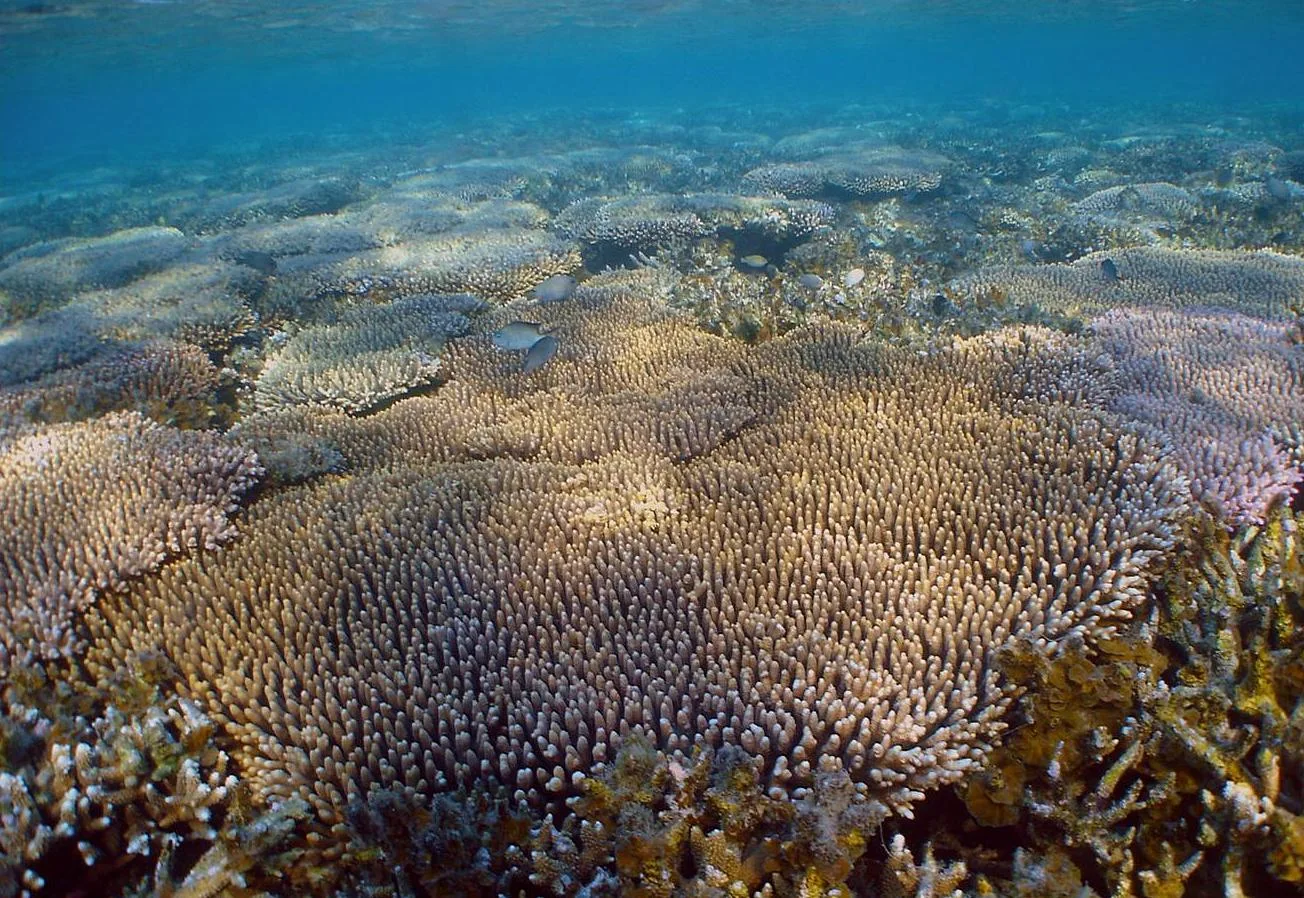
Acropora millepora
Acropora millepora
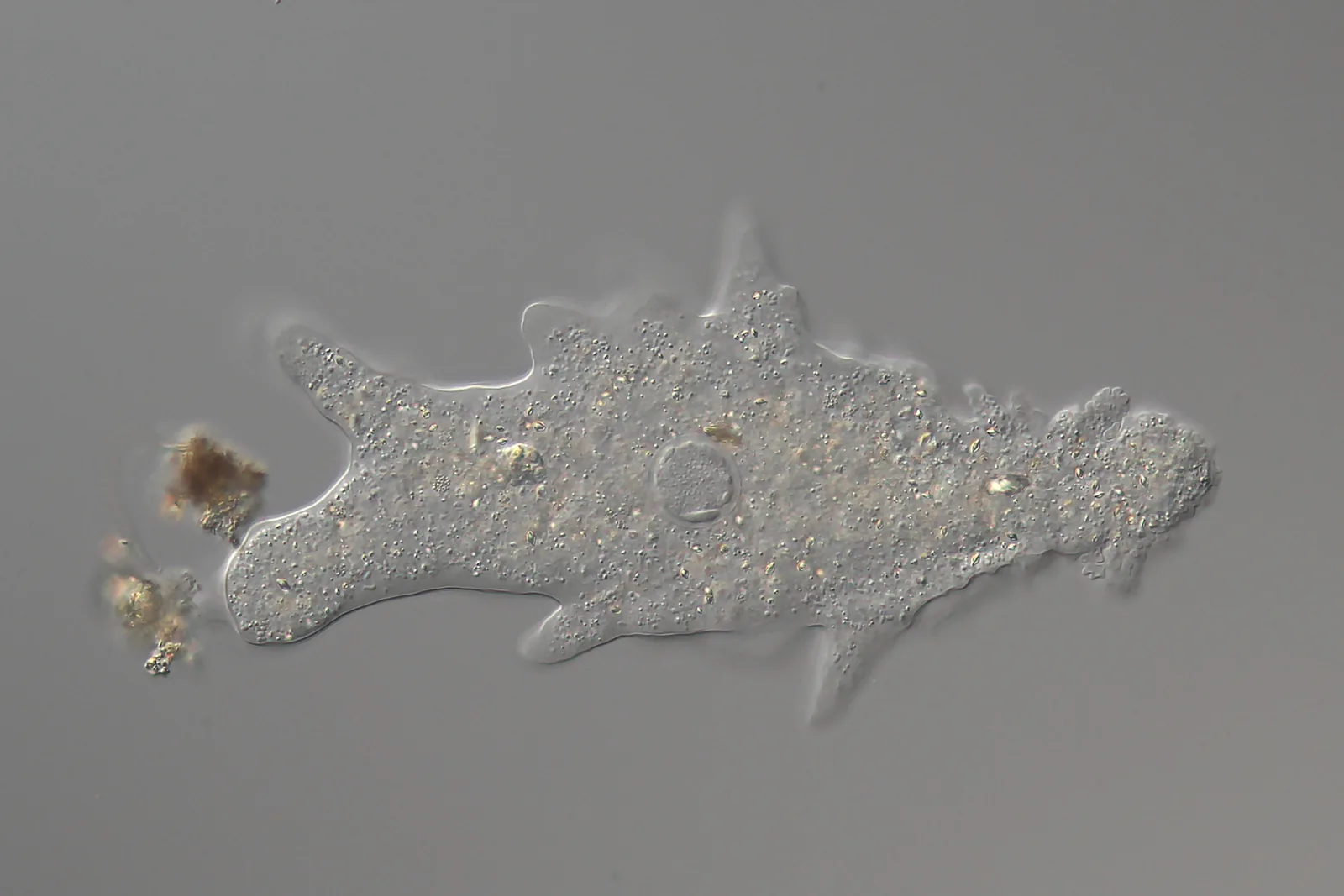
Amoeba proteus
Amoeba proteus
Evidence from the profiles
Compare their characteristics
| Trait | Acropora millepora | Amoeba proteus |
|---|---|---|
| Physical traits | Colonies form branching structures covered by small skeletal cups that house polyps. Colony color alone is insufficient for secure species identification. | An irregular outline and flowing extensions distinguish a moving cell. A nucleus and vacuoles can be observed using suitable microscopy. |
| Habitat and range | Shallow, well-lit marine reef environments support the coral and its photosynthetic partners. | Freshwater environments with microbial food and suitable surfaces support its crawling and feeding activity. |
| Diet and nutrition | Polyps capture small suspended food, while algal symbionts contribute photosynthetic products. | Pseudopodia surround food particles and small organisms, bringing them into vacuoles for digestion. |
| Behavior and activity | Tentacles and mucus help the colony interact with surrounding seawater. Recognition mechanisms influence responses to microbes. | The cell forms pseudopods as its shape changes. Direct pressure measurements found that internal pressure rose before movement and decreased around pseudopod formation, supporting a role for hydrostatic pressure driven by the contractile cell cortex. This links movement with the mechanics of a living cell rather than an animal-like limb. |
| Reproduction and life cycle | Colonies grow by producing additional polyps. Sexual reproduction can release gametes that develop into settling larvae. | A growing cell can divide after nuclear replication. This profile does not assign a complex reproductive stage from another amoeba species. |
| Geographic distribution | The species occurs in the Indo-Pacific reef region. Species-level locality records should accompany detailed range mapping. | Recorded cultures have particular collection histories. Identifying every large freshwater amoeba as A. proteus would overstate its distribution. |
| Ecological role | Skeletal growth contributes reef structure and habitat. Symbiotic interactions are central to energy supply and colony health. | Consumption of microorganisms connects it with freshwater microbial food webs. |
| Distinctive adaptations | A colonial body and partnerships with photosynthetic cells support growth in well-lit reef environments. | A deformable cell surface supports both movement and feeding. Contractile-vacuole activity helps manage water balance in freshwater. |
| Conservation | Thermal stress, bleaching and degradation of reef habitat are concerns. A source on molecular recognition does not establish a current Red List category. | Data unavailable |
Classification
Shared ancestry
Closest shared taxon: Eukaryota.