 Living Beings
Compare species
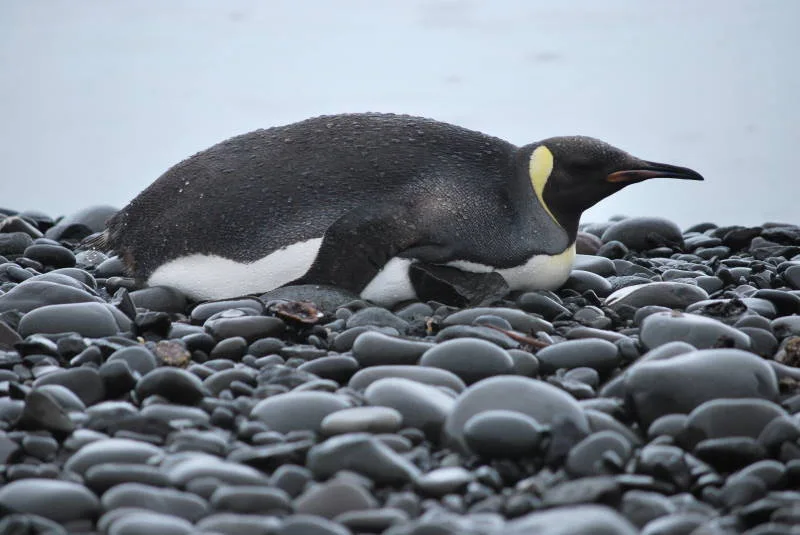
Emperor Penguin
Aptenodytes forsteri
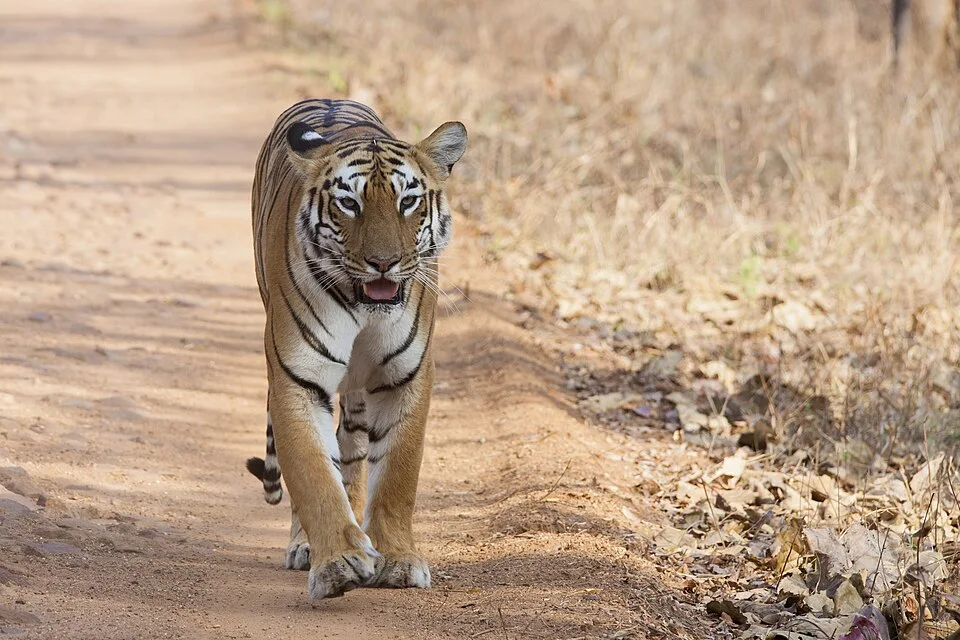
Tiger
Panthera tigris
Evidence from the profiles
Compare their characteristics
| Trait | Emperor Penguin | Tiger |
|---|---|---|
| Nutrition | Data unavailable | Carnivorous Source ↗ |
| Social organization | Data unavailable | Generally solitary Source ↗ |
| Physical traits | Adults are large, with a dark head and back, a pale front and yellow-orange markings around the neck. | Dark stripes break up the tiger’s outline. Stripe patterns vary from one individual to another. |
| Habitat and range | Sea ice supports many breeding colonies, while surrounding marine waters provide food. | Tigers live in varied habitats, including tropical forests, mangrove swamps and temperate forest. |
| Diet and nutrition | Fish, crustaceans and squid contribute to a marine diet that varies with availability. | Tigers mainly hunt large mammals, including deer and wild pigs. |
| Behavior and activity | Breeding birds form huddles that reduce heat loss. Feeding requires repeated dives beneath the surface. | A tiger usually hunts by stalking its prey and attacking at close range. |
| Reproduction and life cycle | A single egg is incubated on the parent's feet beneath a brood pouch. Parents alternate care and feeding trips as breeding proceeds. | Data unavailable |
| Geographic distribution | The species is associated with Antarctica and the Southern Ocean. Colony locations depend on local ice conditions. | Data unavailable |
| Ecological role | Emperor penguins transfer marine food resources to breeding colonies and form part of Southern Ocean predator-prey communities. | Data unavailable |
| Distinctive adaptations | Insulation, huddling and specialized diving physiology support survival in cold environments. | Data unavailable |
| Conservation | Changes in the timing and stability of sea ice can disrupt breeding. An older population estimate or assessment should not substitute for current colony monitoring. | Data unavailable |
Classification
Shared ancestry
Closest shared taxon: Amniota.