 Living Beings
Compare species
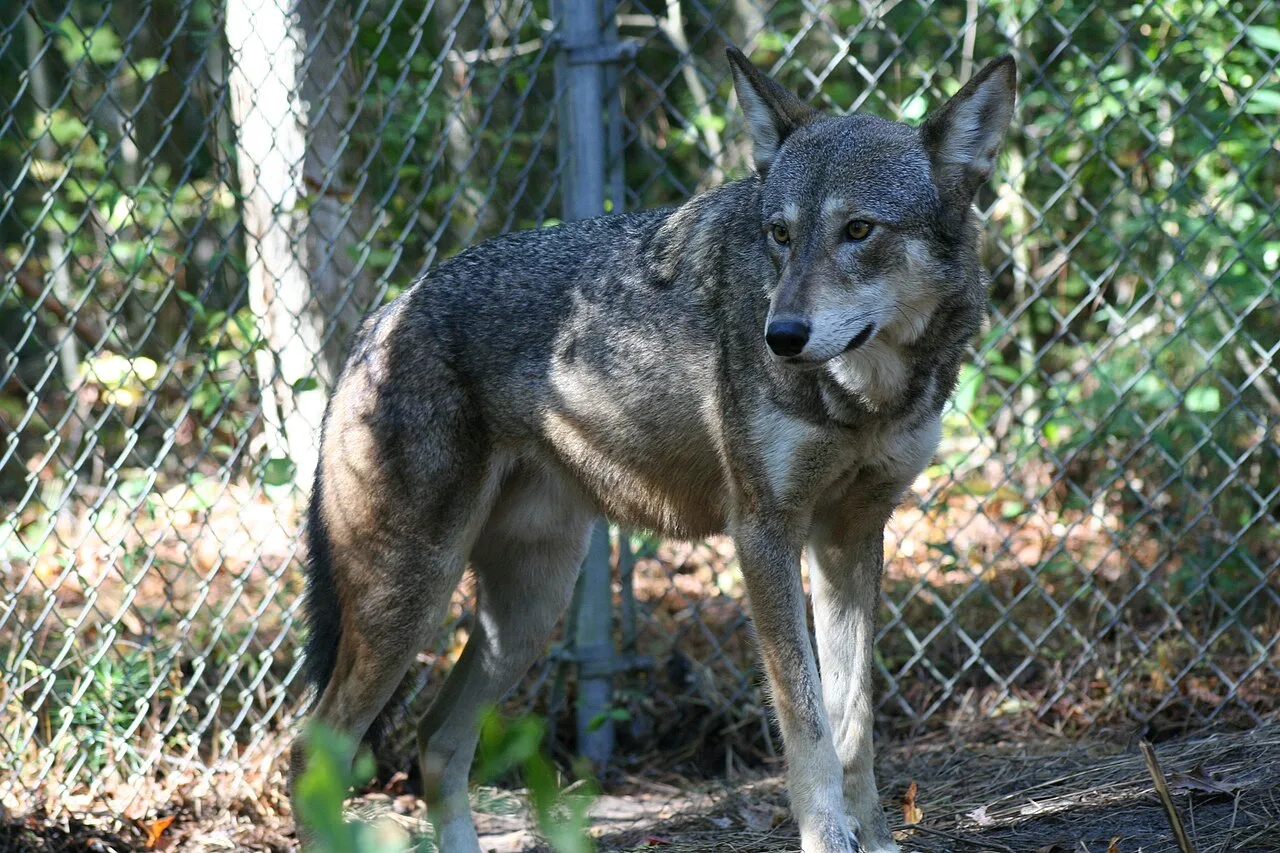
Red Wolf
Canis rufus
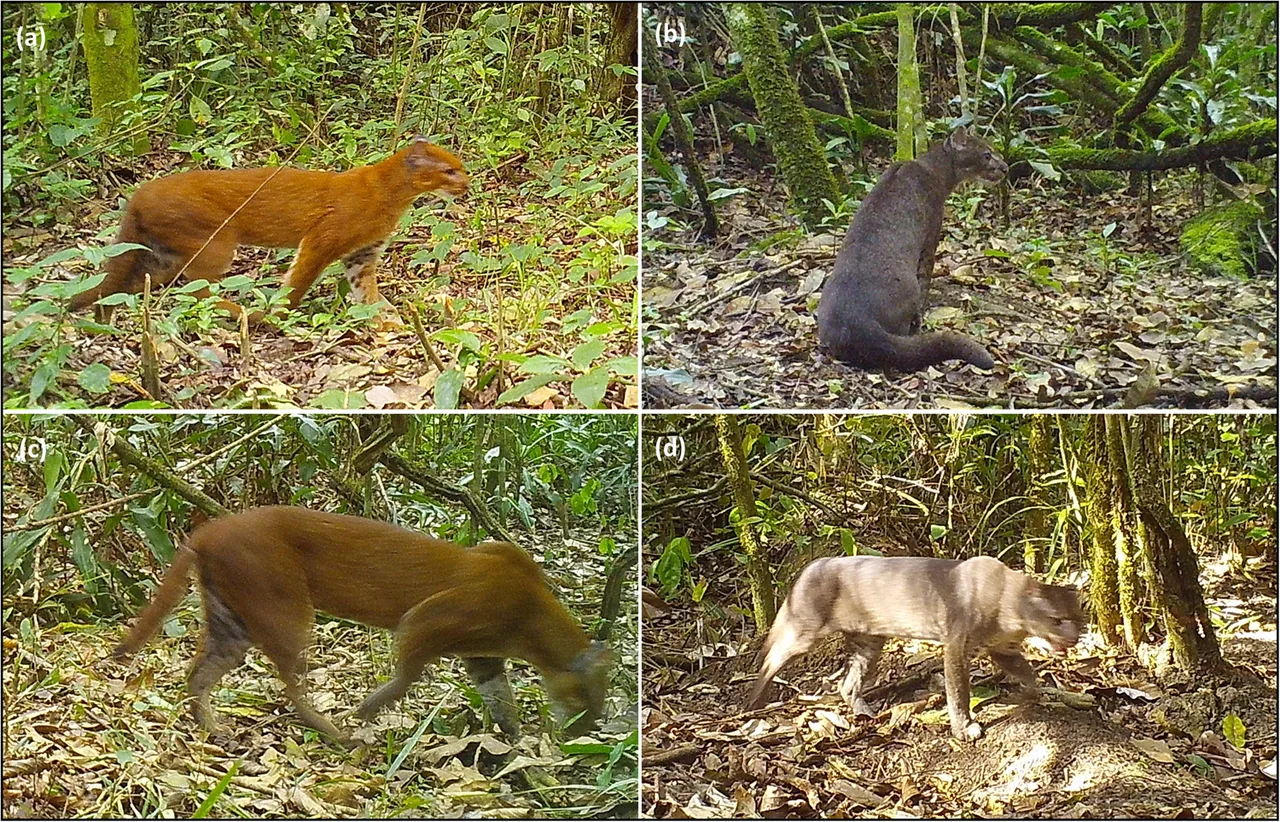
African Golden Cat
Caracal auratus
How to compare two organisms
Choose two species and trace their closest shared group. Then compare a trait with the same definition on each side. Check the units, life stage and context before interpreting a measurement or range.
Missing data means that the collection lacks a sourced value. Where a characteristic does not apply to a lineage, the comparison labels it separately. Open the two profiles for context and follow their sources before drawing a conclusion.
Evidence from the profiles
Compare their characteristics
| Trait | Red Wolf | African Golden Cat |
|---|---|---|
| Physical traits | The body is relatively slender, with long legs and ears and a coat that can include reddish tones. | The body is robust and the coat varies between reddish and grayish forms. Spotting can be more visible on some parts of the body. |
| Habitat and range | Wooded and wetland-associated landscapes feature in its natural history; current occurrence must be checked against dated recovery records. | Dense African forest and secondary growth provide cover and hunting habitat. |
| Diet and nutrition | Small mammals and ungulates contribute to its carnivorous diet. | Rodents and other forest mammals are important prey. Birds and additional small animals may also be taken. |
| Behavior and activity | Family associations and defended areas organize its social life. Breeding and recovery-program observations should be distinguished from evidence about all wild populations. | It is generally solitary and difficult to observe in dense cover. Sparse observations should not be treated as a complete account of its daily behavior. |
| Geographic distribution | The Mammal Diversity Database v2.5 records this species in United States. The U.S. recovery program maintains a reintroduced wild population in eastern North Carolina. Historical distribution, present wild occupancy and animals in managed breeding programs are different records. Use a dated recovery-program report for the status of the wild population. | The Mammal Diversity Database v2.5 records this species in Angola, Cameroon, Central African Republic, Cote d'Ivoire, Democratic Republic of the Congo, Equatorial Guinea, Gabon, Ghana, Guinea, Liberia, Nigeria, Republic of the Congo, Sierra Leone, Uganda, Benin?, Burundi?, Gambia?, Guinea-Bissau?, Kenya?, Rwanda?, Senegal?, Sudan?, Togo?. |
| Ecological role | Red wolves and coyotes can interbreed where they occur together. Genetic monitoring near the recovery area helps document that contact. The existence of hybrid ancestry is a question about particular individuals and populations, alongside the separate question of how a taxonomic authority classifies the red wolf. | Data unavailable |
Classification
Shared ancestry
Closest shared taxon: Carnivora.
Explore the taxonomy ↗