 Living Beings

 Framed for display
Species · Lycaon
African Wild Dog
Lycaon pictus
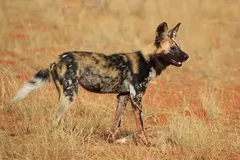
Botswana field observations show how pack members’ signals help determine when African wild dogs leave a resting site.
Family · Scientific classification
Canidae is the mammal family of wolves, dogs, foxes and their relatives. A member of the family is called a canid.
 Framed for display
Explore broader group · Carnivora ↗
NCBI Taxonomy (2026-11-05 reconciled backbone) · Taxon source ↗
Group guide
Canidae includes many branches beyond Canis. The family checklist separates foxes, South American canids and wolf-like canids into named genera. Chromosome studies compare shared arrangements of DNA across these branches to investigate their relationships.
Source for explore the whole dog family ↗Ancient genomes connect domestic dogs closely to wolves. The genomic evidence also shows a complicated history of ancestry and contact among populations. The family checklist records where the selected mammal checklist and NCBI differ in how they rank named forms.
Source for dogs and wolves share a complex history ↗Canis includes wolves and coyotes. Vulpes includes the red fox and Arctic fox. The African wild dog and bat-eared fox belong to Lycaon and Otocyon respectively. The word canine can also refer to teeth, so the family name is more precise in classification.
Source for a family with several kinds of canid ↗Cooperative hunting is documented in the African wild dog. Bat-eared foxes often feed on termites, and their social groups can forage on the same insect patch. Use the living species to compare feeding and social behavior across this family.
Source for food and social life change by species ↗Living species · MDD v2.5 · 28 July 2026
39 living species in 13 genera in this dated checklist; 31 have public profiles here.
The main tree follows NCBI. MDD can recognize different species boundaries or spellings; these differences are shown below. A taxonomy record is not a completed natural-history article.
NCBI treats this as the subspecies Canis lupus familiaris; MDD lists it as a species.
MDD source ↗ · NCBI treatment ↗NCBI treats this as the subspecies Canis lupus lycaon; MDD lists it as a species.
MDD source ↗ · NCBI treatment ↗NCBI uses the spelling Lycalopex griseus.
MDD source ↗NCBI uses the spelling Lycalopex gymnocercus.
MDD source ↗NCBI uses the spelling Lycalopex vetulus.
MDD source ↗Checklist attribution: Mammal Diversity Database (2026), version 2.5. American Society of Mammalogists. Only living species are included; subspecies and extinct species are outside this checklist.
Within this taxon
Framed for display
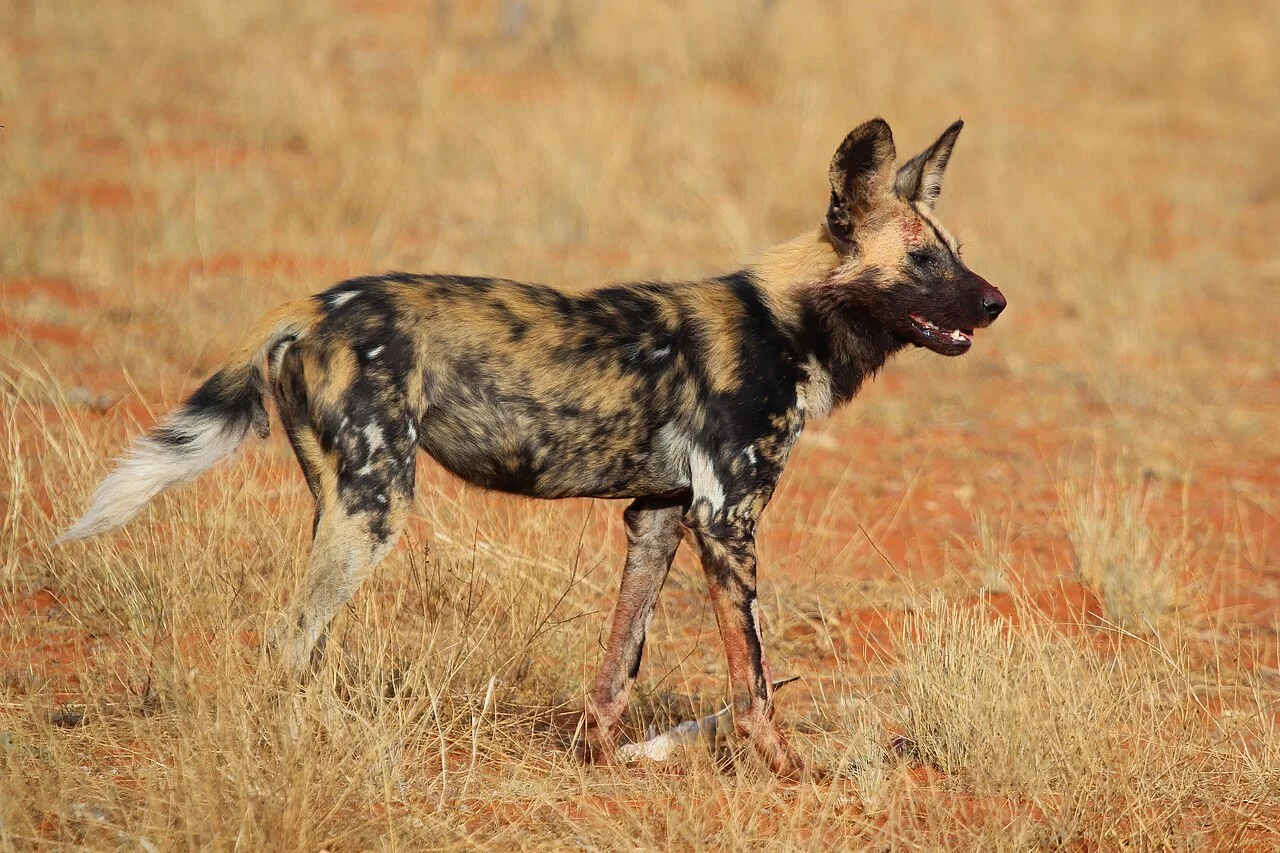
Lycaon pictus
Botswana field observations show how pack members’ signals help determine when African wild dogs leave a resting site.
 Framed for display
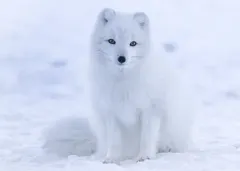
Vulpes lagopus
The Arctic fox is a small northern canid adapted to cold, open landscapes. Dense fur, compact ears and fur-covered feet help it …
 Framed for display
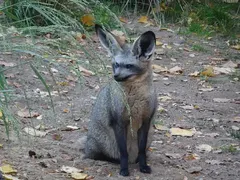
Otocyon megalotis
The bat-eared fox is an African canid whose diet is unusually focused on insects. Large ears are relevant to finding small concealed …
 Framed for display
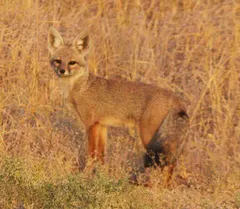
Vulpes bengalensis
The Bengal fox is a South Asian fox of relatively open landscapes. It combines small-animal hunting with the use of seasonal plant …
 Framed for display
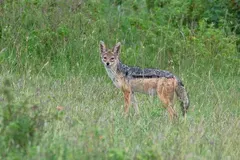
Lupulella mesomelas
The black-backed jackal is an African predator and scavenger recognized by a dark saddle across its back. Its flexibility includes both independent …
 Framed for display
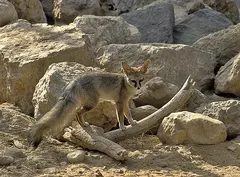
Vulpes cana
Blanford’s fox is a small canid associated with steep, dry terrain. Its feeding ecology includes substantial insect and fruit use, contrasting with …
 Framed for display
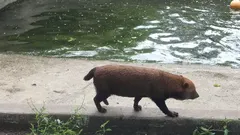
Speothos venaticus
The bush dog is a compact South American canid associated with forests and wet landscapes. Its build and cooperative behavior differ markedly …
 Framed for display
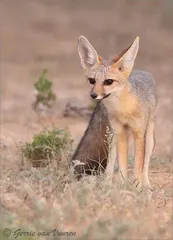
Vulpes chama
The Cape fox is a small southern African canid associated with open, dry country. It is a true fox in Vulpes and …
 Framed for display
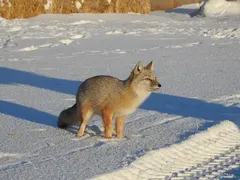
Vulpes corsac
The corsac fox is a canid of Asian steppe and semi-desert. It depends on local shelter and small prey in landscapes that …
 Framed for display
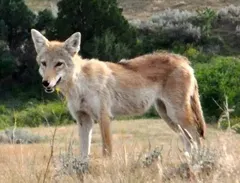
Canis latrans
The coyote is an adaptable North American canid that can live in natural and human-modified landscapes. Its success reflects flexible food use …
 Framed for display
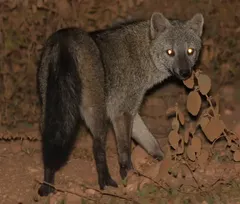
Cerdocyon thous
The crab-eating fox is a South American omnivore with a much broader diet than its common name suggests. It belongs to Cerdocyon …
 Framed for display
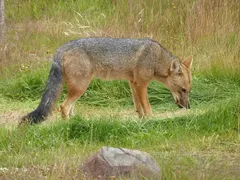
Lycalopex culpaeus
The culpeo is a South American canid also called the Andean fox. Its presence in a range of environments reflects flexible habitat …
 Framed for display
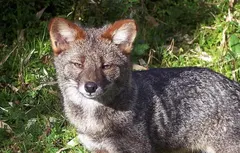
Lycalopex fulvipes
Darwin’s fox is a forest-associated Chilean canid with a restricted distribution. Its natural history differs from the open-country image commonly associated with …
 Framed for display
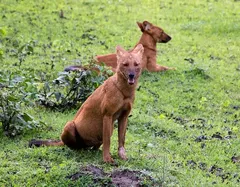
Cuon alpinus
The dhole is a social Asian canid with a hunting system centered on group cooperation. It belongs to Cuon, a separate genus …
 Framed for display
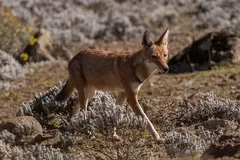
Canis simensis
The Ethiopian wolf is a specialized hunter of highland rodents. Its ecological niche differs from that of wolves that regularly cooperate to …
 Framed for display
Vulpes zerda
The fennec is a small desert fox with exceptionally large ears. Its lifestyle depends on underground shelter and finding dispersed food rather …
 Framed for display
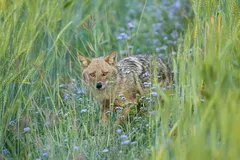
Canis aureus
The golden jackal is an adaptable canid whose common name has historically been applied too broadly. This account uses the current linked …
 Framed for display
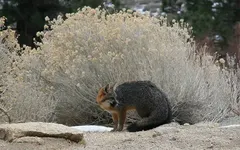
Urocyon cinereoargenteus
The gray fox is a North American canid with an unusual climbing ability. This makes woodland structure important in a way that …
 Framed for display
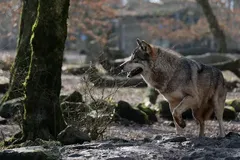
Canis lupus
Gray wolves are social canids whose family groups coordinate travel, defense and the care of young. Their behavior is flexible: prey, terrain …
 Framed for display
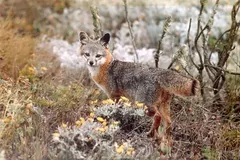
Urocyon littoralis
The island fox lives naturally on six California Channel Islands, each with its own recognized subspecies and population history.
 Framed for display
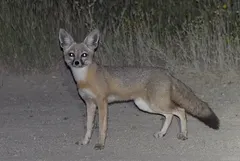
Vulpes macrotis
The kit fox is a small North American fox associated with arid landscapes. Shelter use is central to its life in hot …
 Framed for display
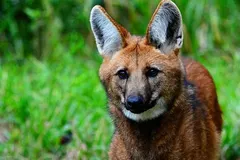
Chrysocyon brachyurus
The maned wolf is a long-legged South American canid, not a tall version of a gray wolf. Its feeding ecology combines animal …
 Framed for display
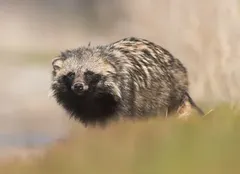
Vulpes pallida
In a study in southeastern Niger, insects and other arthropods turned up far more often than mammal remains in the pale fox’s …
 Framed for display
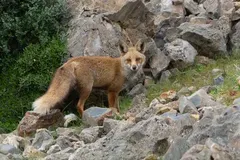
Nyctereutes procyonoides
The raccoon dog is a canid despite its raccoon-like facial pattern. This profile follows the linked species concept; references that included Japanese …
 Framed for display
Vulpes vulpes
The red fox is a small canid with a pointed muzzle, large ears and a conspicuous tail. Its flexible feeding habits help …
 Framed for display
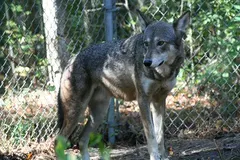
Canis rufus
The red wolf is a North American wolf with a complex conservation and taxonomic history. It should not be reduced to a …
 Framed for display
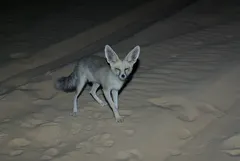
Vulpes rueppellii
Rüppell’s fox is a small canid of dry environments. Its combination of shelter use and flexible food choices illustrates that desert predators …
 Framed for display
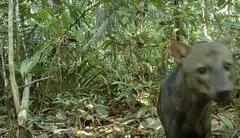
Atelocynus microtis
The short-eared dog is a secretive Amazonian canid associated with forest cover. Its rarity in observations means that behavior inferred from a …
 Framed for display
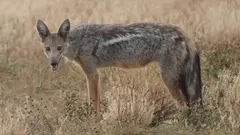
Lupulella adusta
The side-striped jackal is an African canid with a broad omnivorous diet. Its classification in Lupulella separates it from the golden jackal …
 Framed for display
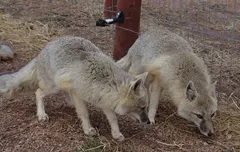
Vulpes velox
The swift fox is a small canid of North American open country. It uses dens not only for raising young but also …
 Framed for display
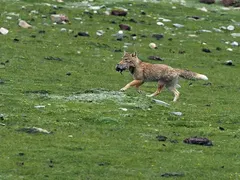
Vulpes ferrilata
The Tibetan fox is a highland canid associated with the Tibetan Plateau and nearby landscapes. Its ecology is tied to small mammals …