 Living Beings
Compare species
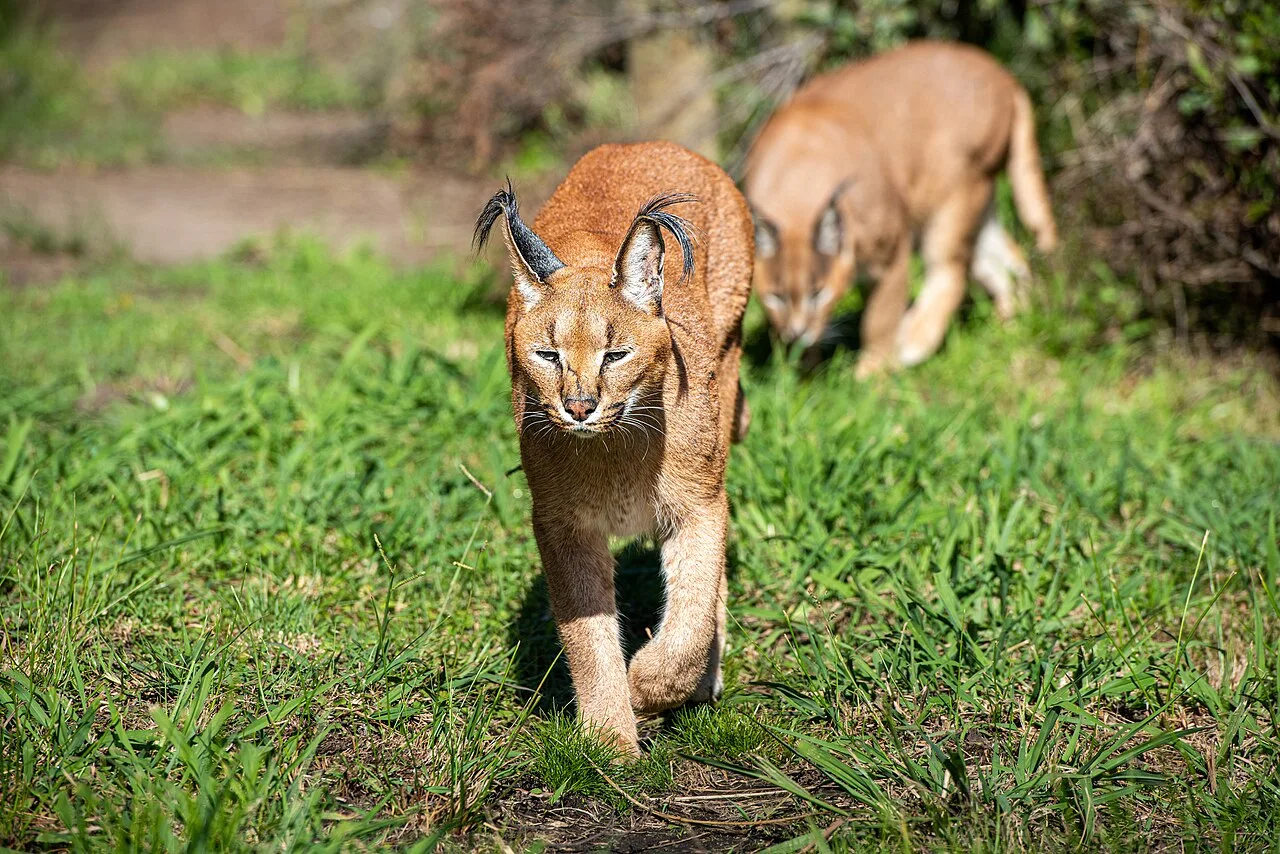
Caracal
Caracal caracal
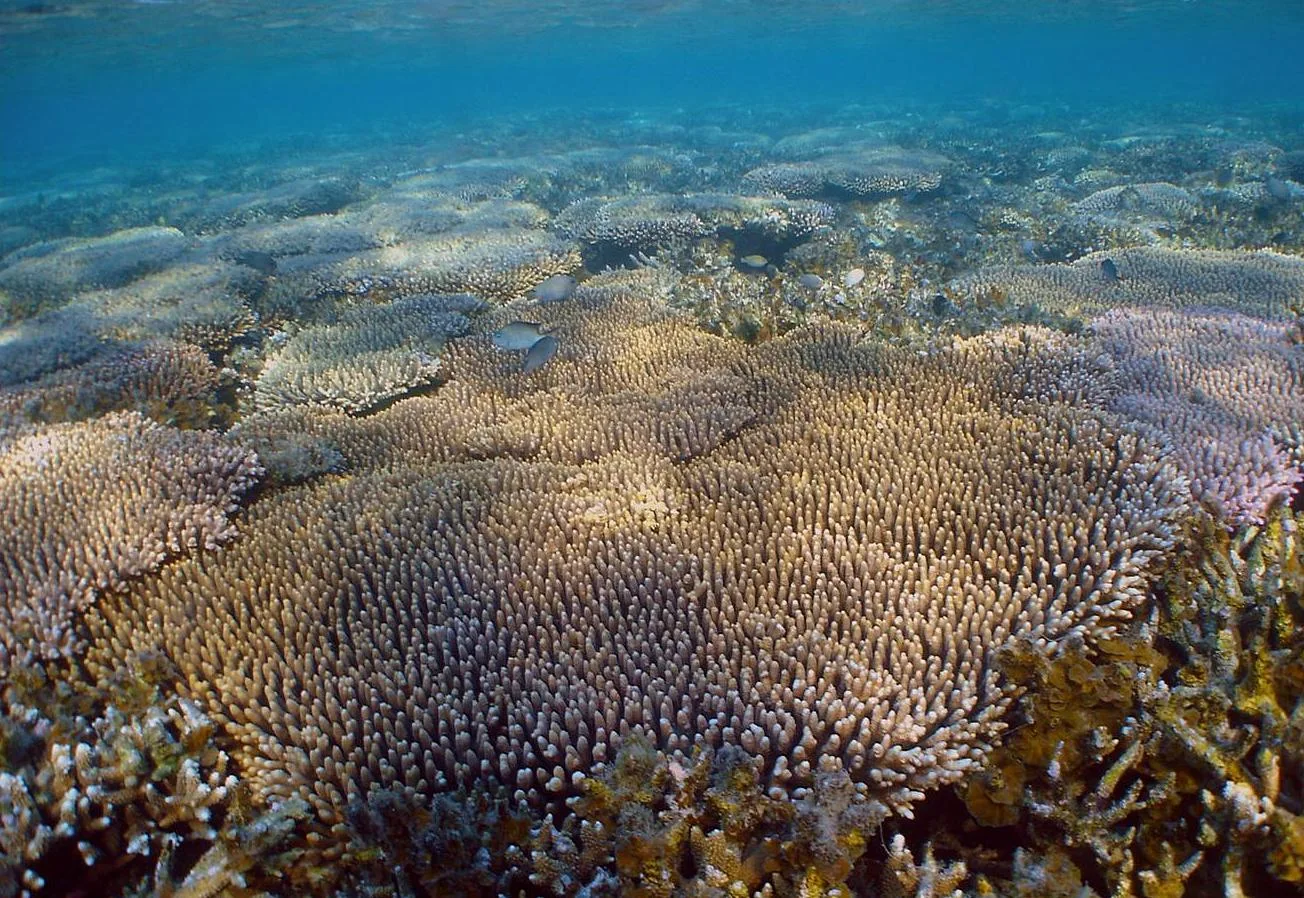
Acropora millepora
Acropora millepora
Evidence from the profiles
Compare their characteristics
| Trait | Caracal | Acropora millepora |
|---|---|---|
| Physical traits | Long black ear tufts stand above a mostly plain reddish or sandy coat. The underside is paler. | Colonies form branching structures covered by small skeletal cups that house polyps. Colony color alone is insufficient for secure species identification. |
| Habitat and range | Woodland edges, scrub, plains and rocky terrain can provide suitable cover. It is not confined to a single vegetation type. | Shallow, well-lit marine reef environments support the coral and its photosynthetic partners. |
| Diet and nutrition | Small mammals and birds are important foods; the range of prey reflects local availability. | Polyps capture small suspended food, while algal symbionts contribute photosynthetic products. |
| Behavior and activity | Adults generally maintain separate ranges outside mating and the rearing of young. Scent marking helps communicate occupancy. | Tentacles and mucus help the colony interact with surrounding seawater. Recognition mechanisms influence responses to microbes. |
| Reproduction and life cycle | Data unavailable | Colonies grow by producing additional polyps. Sexual reproduction can release gametes that develop into settling larvae. |
| Geographic distribution | The Mammal Diversity Database v2.5 records this species in Afghanistan, Algeria, Angola, Benin, Botswana, Burkina Faso, Cameroon, Central African Republic, Chad, Cote d'Ivoire, Democratic Republic of the Congo, Djibouti, Egypt, Eritrea, Eswatini, Ethiopia, Gambia, Ghana, Guinea, Guinea-Bissau, India, Iran, Iraq, Israel, Jordan, Kazakhstan, Kenya, Kuwait, Lebanon, Lesotho, Libya, Malawi, Mali, Mauritania, Morocco, Mozambique, Namibia, Niger, Nigeria, Oman, Pakistan, Palestine, Saudi Arabia, Senegal, Somalia, South Africa, South Sudan, Sudan, Syria, Tajikistan, Tanzania, Togo, Tunisia, Turkey, Turkmenistan, Uganda, United Arab Emirates, Uzbekistan, Yemen, Zambia, Zimbabwe, Burundi?. | The species occurs in the Indo-Pacific reef region. Species-level locality records should accompany detailed range mapping. |
| Ecological role | Data unavailable | Skeletal growth contributes reef structure and habitat. Symbiotic interactions are central to energy supply and colony health. |
| Distinctive adaptations | Data unavailable | A colonial body and partnerships with photosynthetic cells support growth in well-lit reef environments. |
| Conservation | Data unavailable | Thermal stress, bleaching and degradation of reef habitat are concerns. A source on molecular recognition does not establish a current Red List category. |
Classification
Shared ancestry
Closest shared taxon: Eumetazoa.