 Living Beings
Compare species
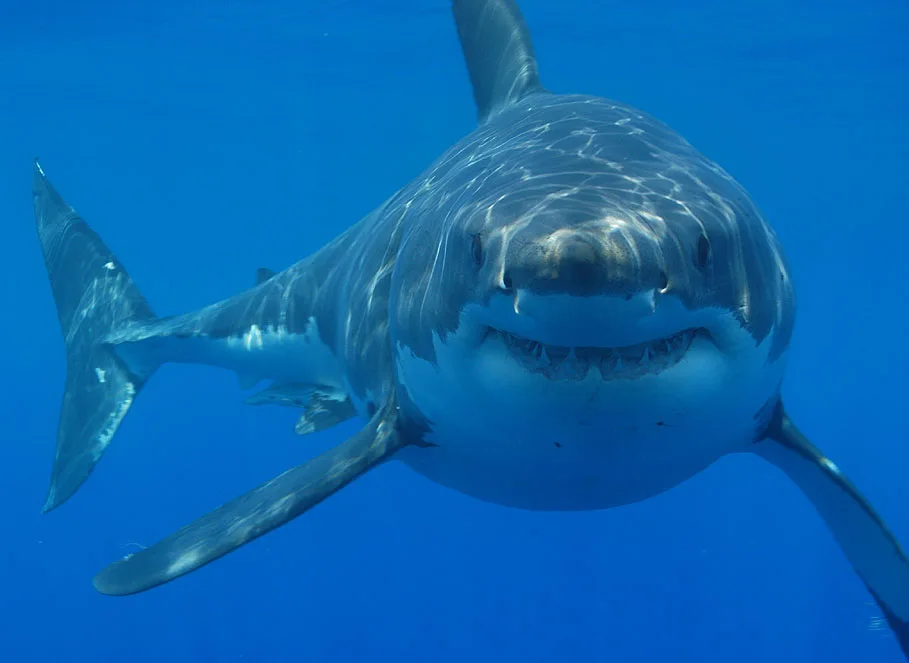
Great White Shark
Carcharodon carcharias
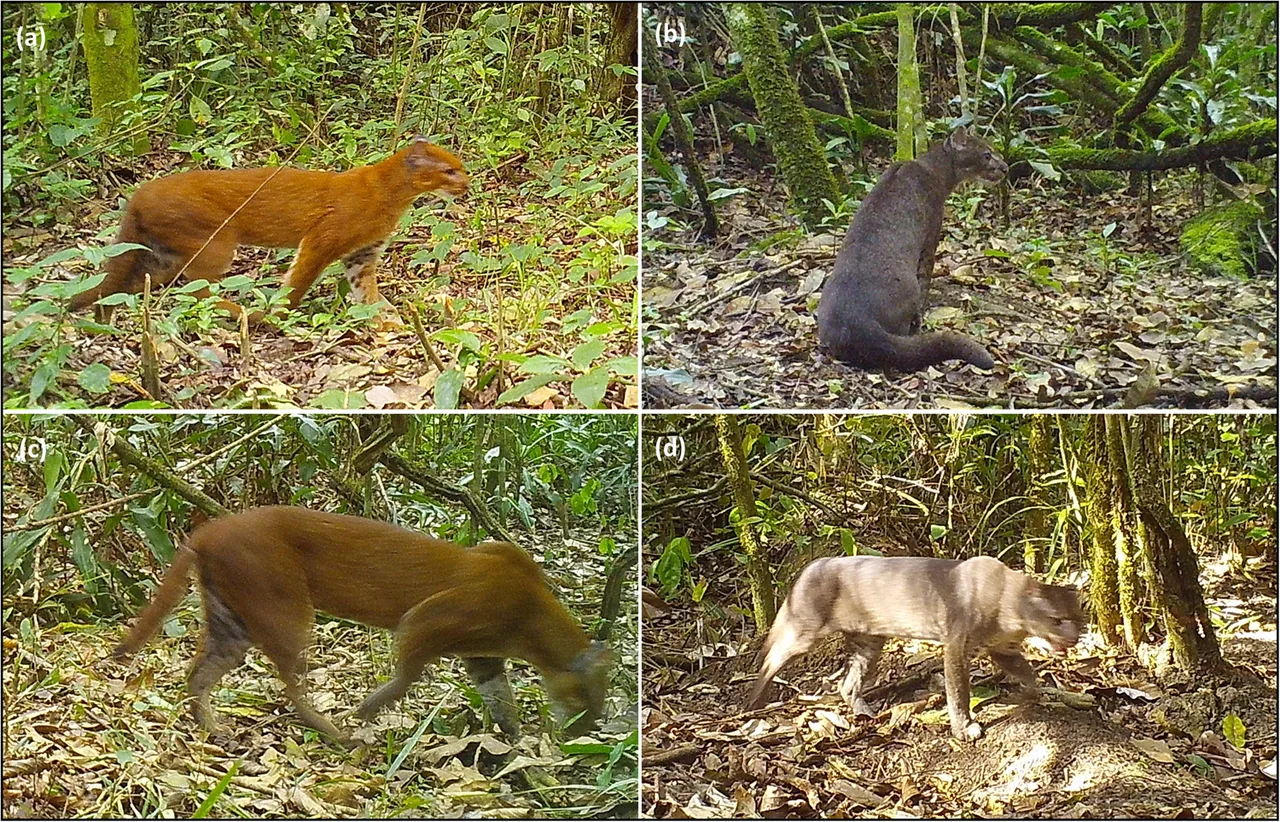
African Golden Cat
Caracal auratus
How to compare two organisms
Choose two species and trace their closest shared group. Then compare a trait with the same definition on each side. Check the units, life stage and context before interpreting a measurement or range.
Missing data means that the collection lacks a sourced value. Where a characteristic does not apply to a lineage, the comparison labels it separately. Open the two profiles for context and follow their sources before drawing a conclusion.
Evidence from the profiles
Compare their characteristics
| Trait | Great White Shark | African Golden Cat |
|---|---|---|
| Physical traits | A conical snout, broad triangular teeth and a dark upper surface over a pale underside characterize the species. | The body is robust and the coat varies between reddish and grayish forms. Spotting can be more visible on some parts of the body. |
| Habitat and range | Coastal feeding grounds and offshore waters both form part of its habitat. Some individuals undertake extensive migrations. | Dense African forest and secondary growth provide cover and hunting habitat. |
| Diet and nutrition | Younger sharks take fish and other smaller marine prey. Larger individuals may take marine mammals and scavenge carcasses. | Rodents and other forest mammals are important prey. Birds and additional small animals may also be taken. |
| Behavior and activity | Sharks investigate their surroundings using several senses and may return to productive feeding areas. | It is generally solitary and difficult to observe in dense cover. Sparse observations should not be treated as a complete account of its daily behavior. |
| Reproduction and life cycle | Embryos develop inside the mother and receive nutrition from eggs before live birth. Reproduction is slow relative to many exploited fish. | Data unavailable |
| Geographic distribution | White sharks occur in several ocean basins, especially temperate coastal regions. Sightings do not imply equal abundance throughout that range. | The Mammal Diversity Database v2.5 records this species in Angola, Cameroon, Central African Republic, Cote d'Ivoire, Democratic Republic of the Congo, Equatorial Guinea, Gabon, Ghana, Guinea, Liberia, Nigeria, Republic of the Congo, Sierra Leone, Uganda, Benin?, Burundi?, Gambia?, Guinea-Bissau?, Kenya?, Rwanda?, Senegal?, Sudan?, Togo?. |
| Ecological role | White sharks are predators and scavengers within marine food webs. | Data unavailable |
| Distinctive adaptations | Countershading and a streamlined body assist an approaching predator; sensory systems detect chemical and electrical cues. | Data unavailable |
| Conservation | Bycatch and deliberate killing affect a species with limited reproductive output. Regional population trends require separate assessment. | Data unavailable |
Classification
Shared ancestry
Closest shared taxon: Gnathostomata.