 Living Beings
Compare species
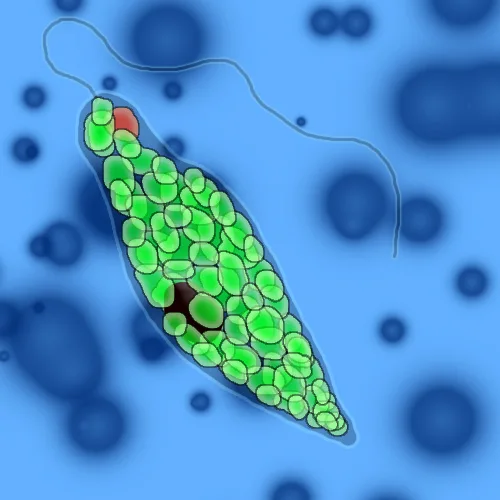
Euglena gracilis
Euglena gracilis
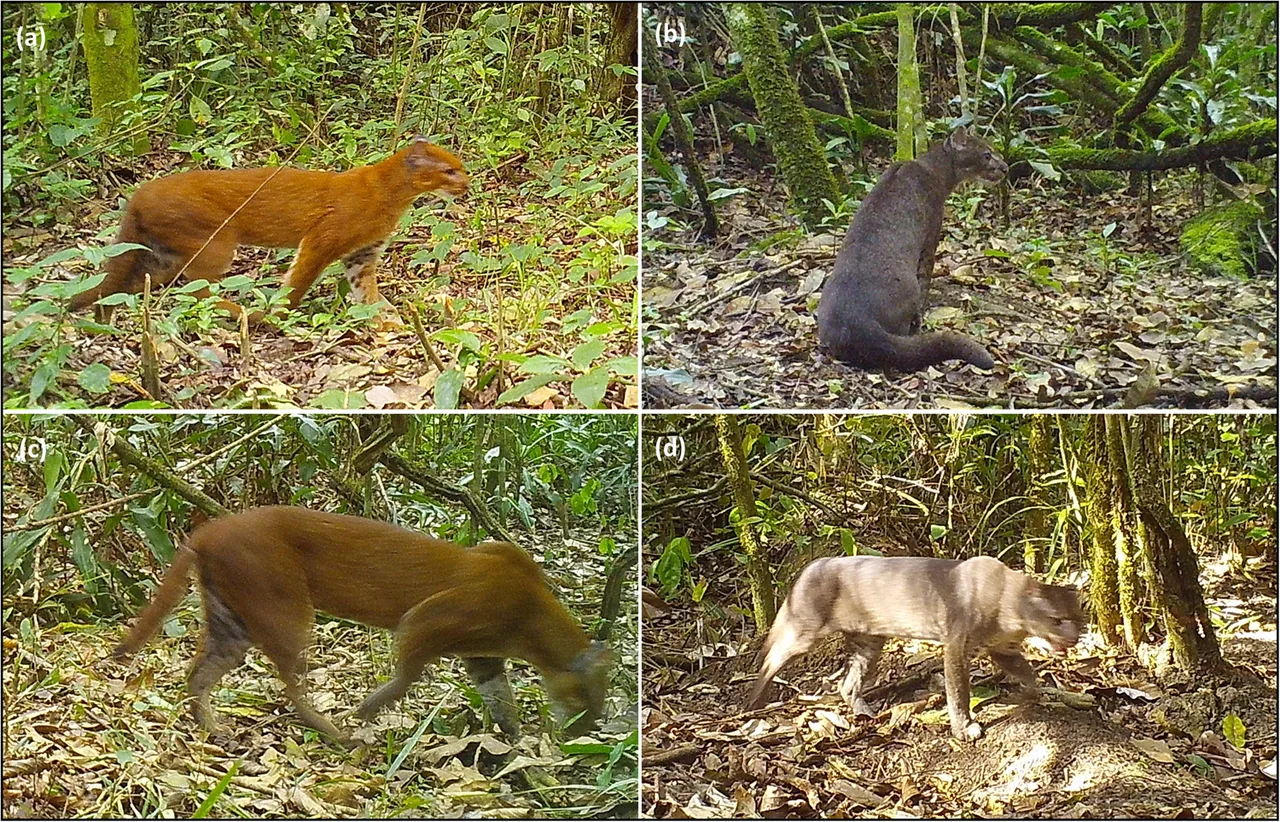
African Golden Cat
Caracal auratus
Evidence from the profiles
Compare their characteristics
| Trait | Euglena gracilis | African Golden Cat |
|---|---|---|
| Physical traits | Elongated cells have a flexible covering, chloroplasts and a flagellum used in movement. The outline can change during characteristic euglenoid motion. | The body is robust and the coat varies between reddish and grayish forms. Spotting can be more visible on some parts of the body. |
| Habitat and range | Freshwater and resource-rich aquatic conditions support studied populations and cultures. | Dense African forest and secondary growth provide cover and hunting habitat. |
| Diet and nutrition | Photosynthesis supplies carbon under suitable light, while organic substrates can support heterotrophic growth under other conditions. | Rodents and other forest mammals are important prey. Birds and additional small animals may also be taken. |
| Behavior and activity | Light-responsive movement and changes in body form connect environmental sensing with locomotion. | It is generally solitary and difficult to observe in dense cover. Sparse observations should not be treated as a complete account of its daily behavior. |
| Reproduction and life cycle | Cells reproduce through division. Growth form and physiology change with culture conditions without representing separate species. | Data unavailable |
| Geographic distribution | Cultures are studied internationally. Field records require species identification rather than recognition of a generic green flagellate. | The Mammal Diversity Database v2.5 records this species in Angola, Cameroon, Central African Republic, Cote d'Ivoire, Democratic Republic of the Congo, Equatorial Guinea, Gabon, Ghana, Guinea, Liberia, Nigeria, Republic of the Congo, Sierra Leone, Uganda, Benin?, Burundi?, Gambia?, Guinea-Bissau?, Kenya?, Rwanda?, Senegal?, Sudan?, Togo?. |
| Ecological role | Its flexible resource use connects photosynthetic production with consumption of organic compounds. | Data unavailable |
| Distinctive adaptations | Its plastids descend from a green alga acquired through secondary endosymbiosis. A mixotrophic lifestyle and metabolic flexibility permit growth under varied conditions. Those features make it an informative example of eukaryotic evolution: photosynthesis does not require that a single-celled organism be placed among land plants. | Data unavailable |
Classification
Shared ancestry
Closest shared taxon: Eukaryota.