 Living Beings
Compare species
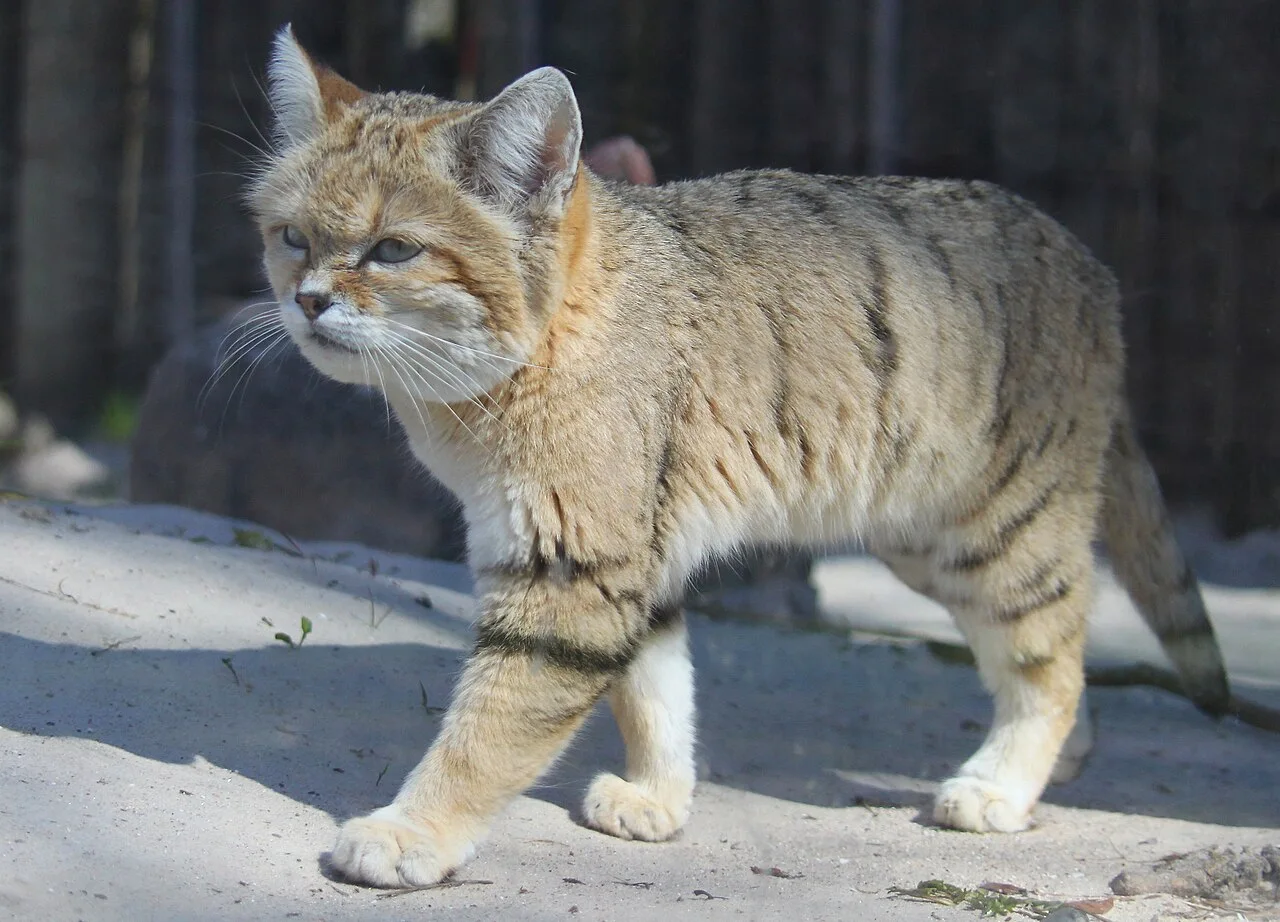
Sand Cat
Felis margarita
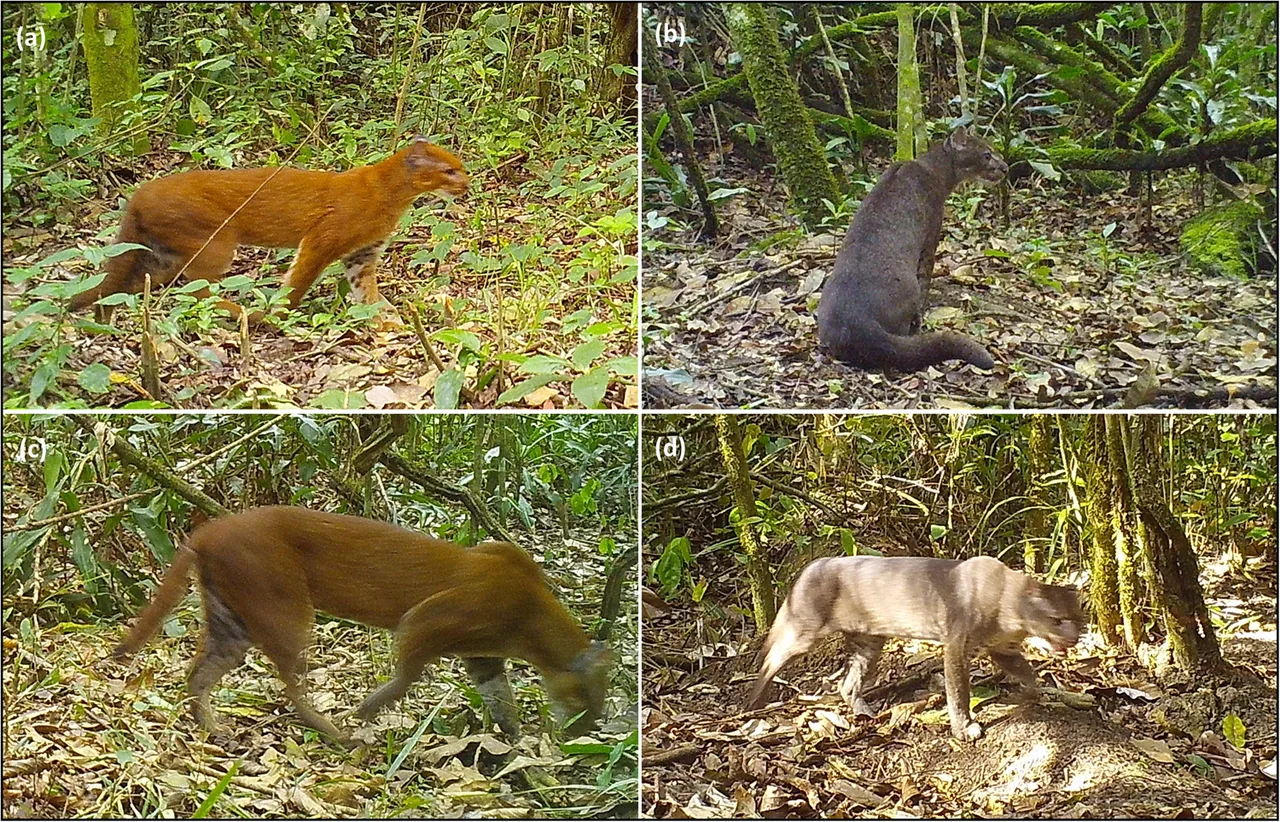
African Golden Cat
Caracal auratus
Evidence from the profiles
Compare their characteristics
| Trait | Sand Cat | African Golden Cat |
|---|---|---|
| Physical traits | A pale coat and broad head with large, low-set ears help give it a distinctive appearance. | The body is robust and the coat varies between reddish and grayish forms. Spotting can be more visible on some parts of the body. |
| Habitat and range | Arid sandy and stony habitats are used. Vegetation and burrows can provide important local shelter. | Dense African forest and secondary growth provide cover and hunting habitat. |
| Diet and nutrition | Small mammals, reptiles and other desert animals are hunted according to availability. | Rodents and other forest mammals are important prey. Birds and additional small animals may also be taken. |
| Behavior and activity | Sand cats dig and use burrows for shelter. Activity and refuge use help them avoid the most demanding desert conditions. | It is generally solitary and difficult to observe in dense cover. Sparse observations should not be treated as a complete account of its daily behavior. |
| Geographic distribution | The Mammal Diversity Database v2.5 records this species in Algeria, Chad, Egypt, Iran, Iraq, Jordan, Kazakhstan, Kuwait, Mali, Mauritania, Morocco, Niger, Oman, Saudi Arabia, Sudan, Syria, Turkmenistan, United Arab Emirates, Uzbekistan, Israel?, Pakistan?, Qatar?, Yemen?. | The Mammal Diversity Database v2.5 records this species in Angola, Cameroon, Central African Republic, Cote d'Ivoire, Democratic Republic of the Congo, Equatorial Guinea, Gabon, Ghana, Guinea, Liberia, Nigeria, Republic of the Congo, Sierra Leone, Uganda, Benin?, Burundi?, Gambia?, Guinea-Bissau?, Kenya?, Rwanda?, Senegal?, Sudan?, Togo?. |
Classification
Shared ancestry
Closest shared taxon: Felinae.
Explore the taxonomy ↗