 Living Beings
Compare species
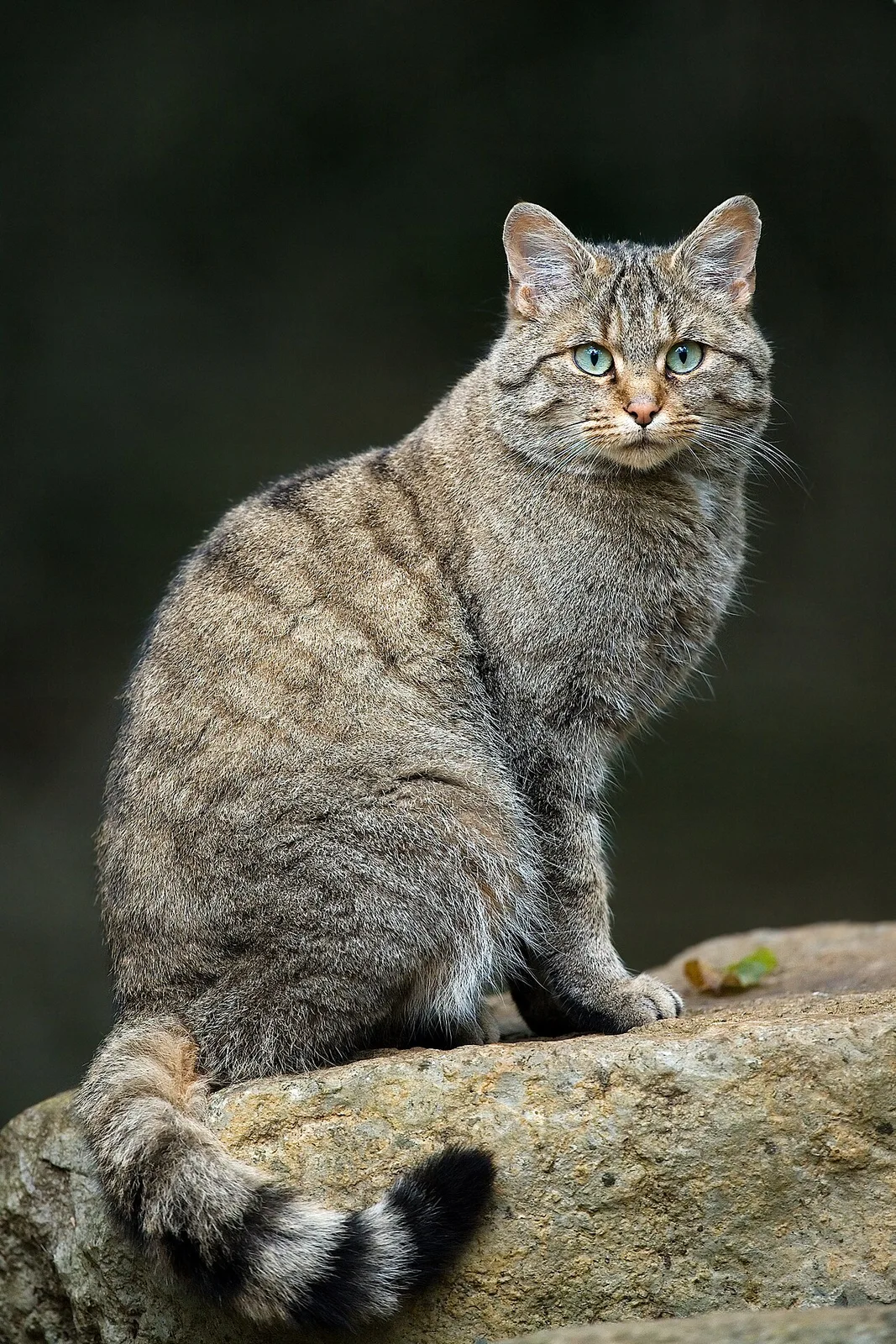
European Wildcat
Felis silvestris
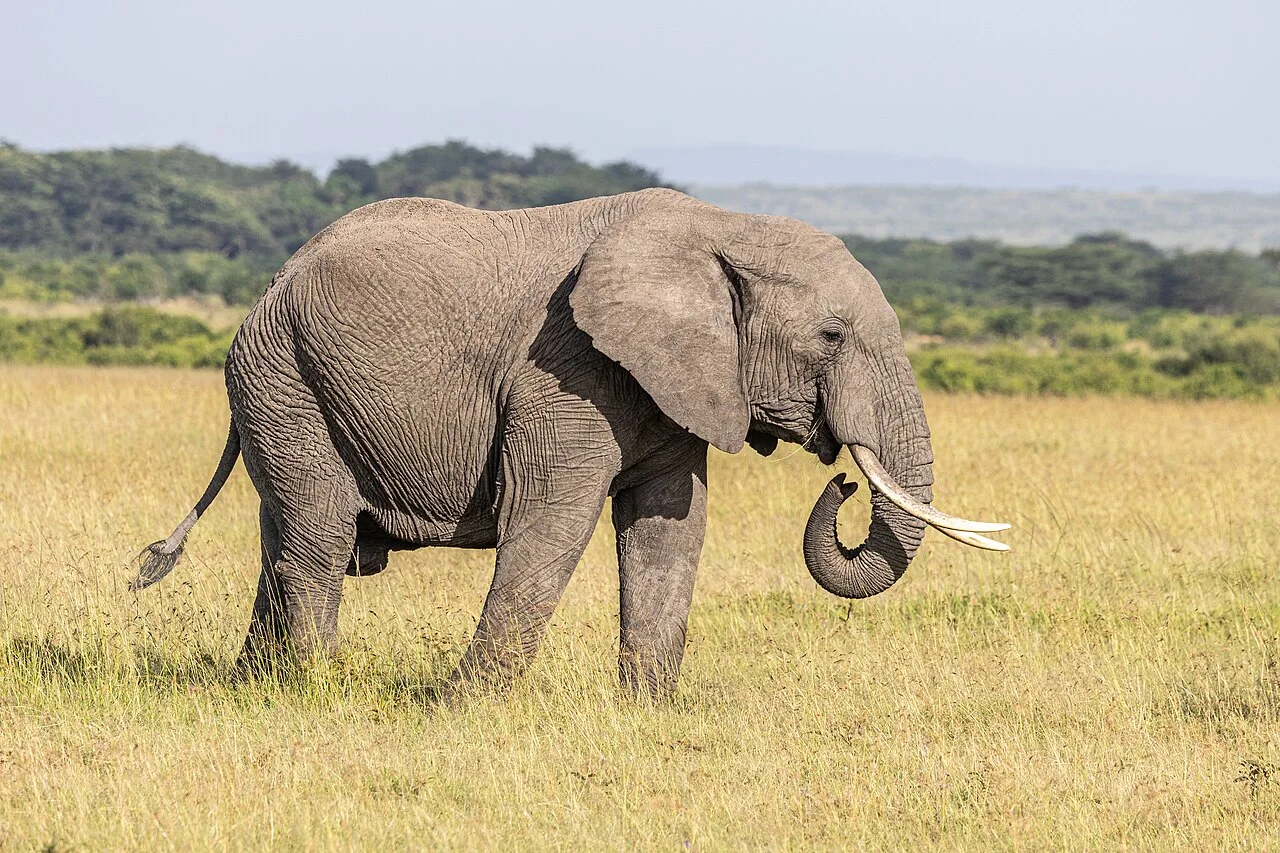
African Savanna Elephant
Loxodonta africana
Evidence from the profiles
Compare their characteristics
| Trait | European Wildcat | African Savanna Elephant |
|---|---|---|
| Physical traits | A striped coat and substantial tail contribute to the wildcat appearance. Coat resemblance alone is not a reliable way to identify hybrids. | Broad ears, a long trunk and column-like legs give the animal its familiar outline. The trunk tip has two finger-like projections. Both sexes can develop tusks. |
| Habitat and range | Wooded habitats and adjoining covered landscapes provide hunting and resting sites. | Savannas and open woodland provide a shifting mixture of browse, grass, shade and drinking water. Seasonal water availability influences the places that herds use. |
| Diet and nutrition | Rodents and other small mammals are central foods, with prey varying locally. | Grasses, leaves, bark and other plant material make up its diet. The trunk gathers food and moves it to the mouth. |
| Behavior and activity | Activity is often concentrated around dusk, dawn or nighttime. Individuals use scent and separate ranges to organize encounters. | Female relatives and their young form long-lasting social groups. Older females hold knowledge of familiar routes and resources; adult males have a different pattern of association. |
| Reproduction and life cycle | Data unavailable | Calves are born alive and depend on milk and extended social care. Learning from other elephants is an important part of growing up. |
| Geographic distribution | The Mammal Diversity Database v2.5 records this species in Albania, Armenia, Austria, Azerbaijan, Belarus, Belgium, Bosnia and Herzegovina, Bulgaria, Croatia, France, Georgia, Germany, Greece, Hungary, Italy, Kosovo, Luxembourg, Moldova, Montenegro, North Macedonia, Poland, Portugal, Romania, Russia, Serbia, Slovakia, Slovenia, Spain, Switzerland, Turkey, Ukraine, United Kingdom, Czech Republic?. | Native to sub-Saharan Africa. This account follows the savanna-elephant species concept rather than treating all African elephants as one species. |
| Ecological role | Data unavailable | Feeding and movement alter vegetation, and dung transfers seeds and nutrients. Habitat fragmentation and killing for ivory threaten populations. |
Classification
Shared ancestry
Closest shared taxon: Eutheria.