 Living Beings
Compare species
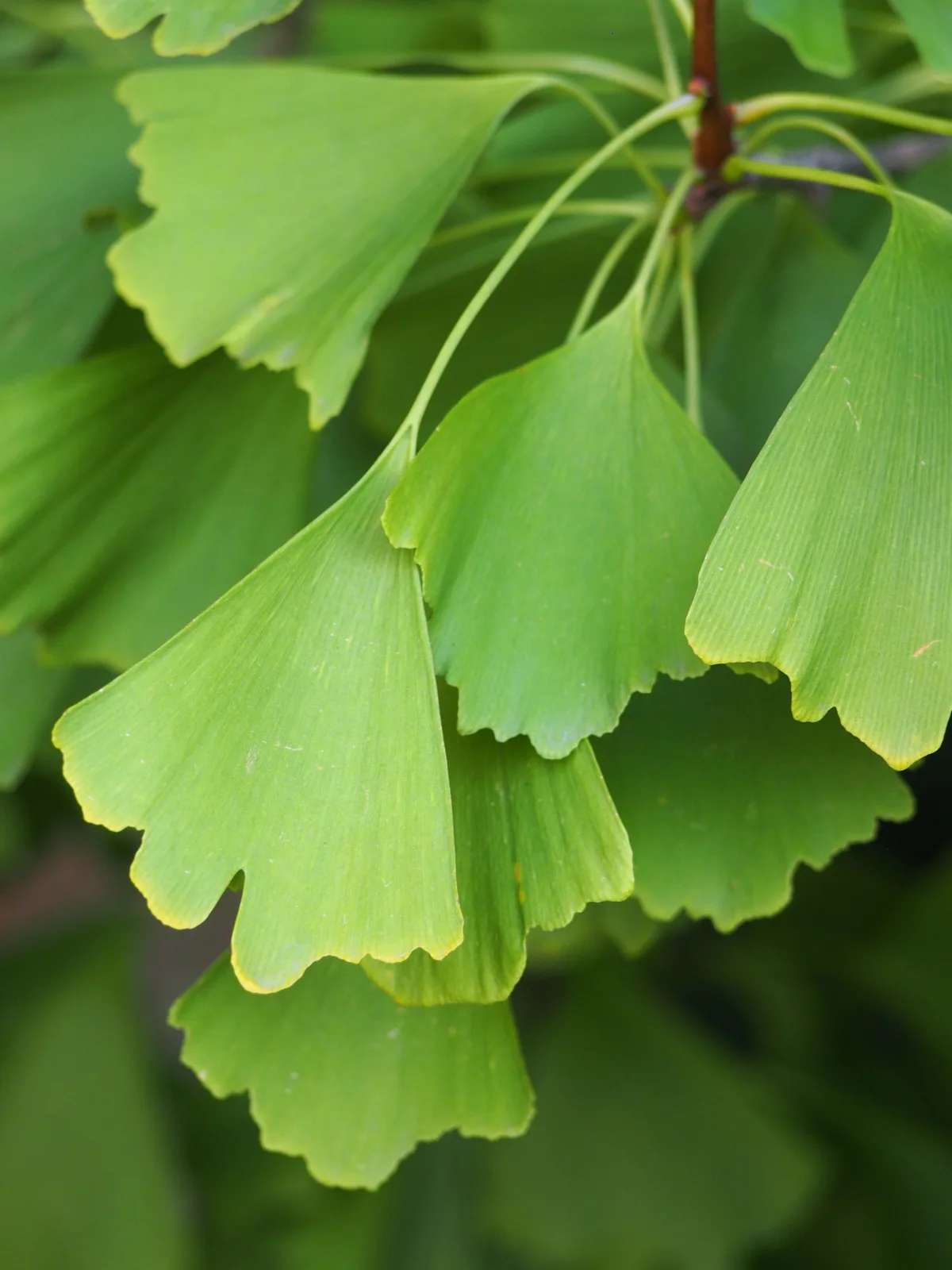
Maidenhair Tree
Ginkgo biloba
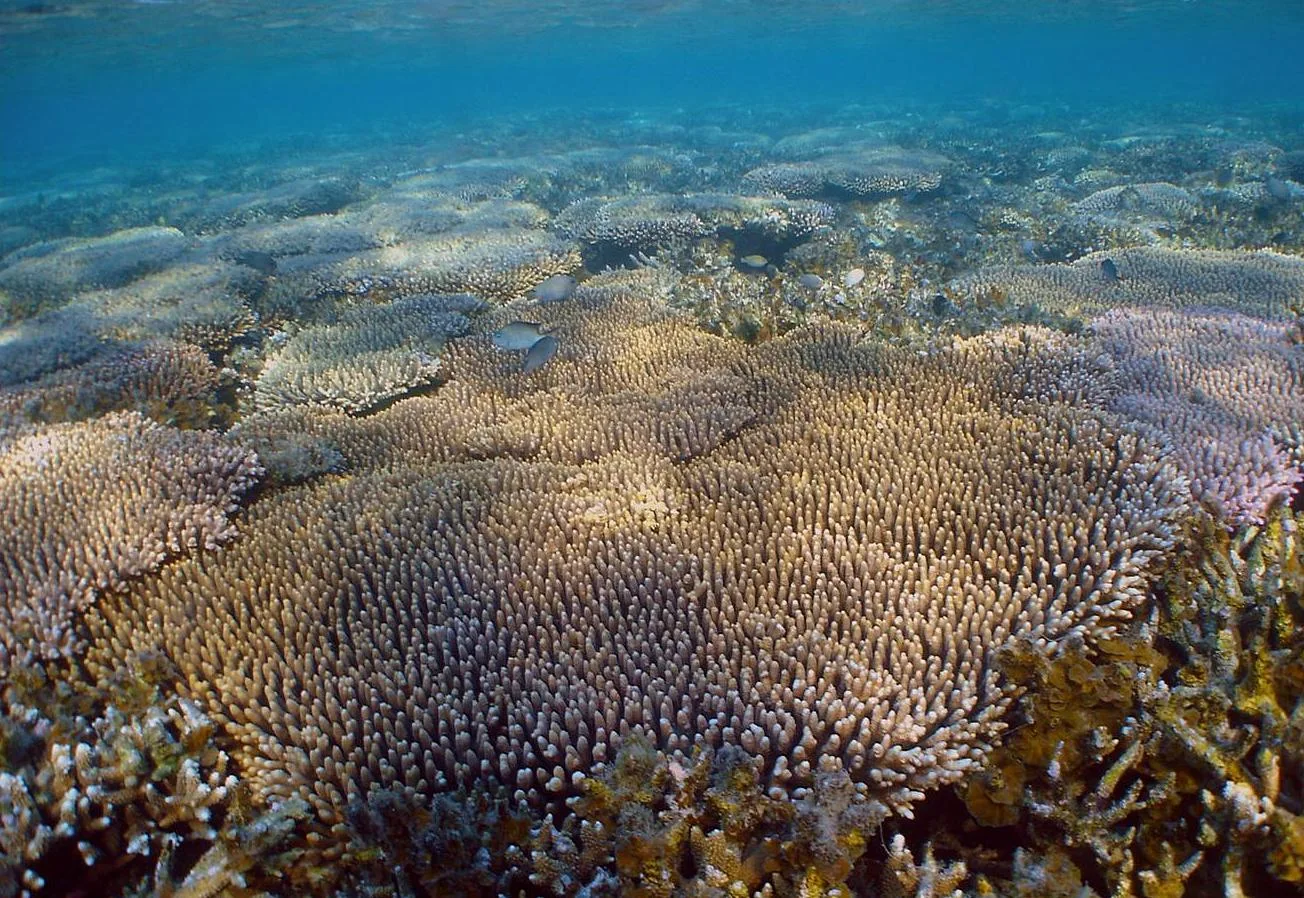
Acropora millepora
Acropora millepora
How to compare two organisms
Choose two species and trace their closest shared group. Then compare a trait with the same definition on each side. Check the units, life stage and context before interpreting a measurement or range.
Missing data means that the collection lacks a sourced value. Where a characteristic does not apply to a lineage, the comparison labels it separately. Open the two profiles for context and follow their sources before drawing a conclusion.
Evidence from the profiles
Compare their characteristics
| Trait | Maidenhair Tree | Acropora millepora |
|---|---|---|
| Physical traits | Leaves have branching veins and often a central notch. Long shoots and short shoots produce different-looking clusters of leaves. | Colonies form branching structures covered by small skeletal cups that house polyps. Colony color alone is insufficient for secure species identification. |
| Habitat and range | The tree grows best with light and well-drained soil and is widely used in urban plantings. | Shallow, well-lit marine reef environments support the coral and its photosynthetic partners. |
| Diet and nutrition | Leaves photosynthesize during the growing season. Deciduous leaf loss changes the annual balance between production and stored reserves. | Polyps capture small suspended food, while algal symbionts contribute photosynthetic products. |
| Behavior and activity | Leaves change color and fall seasonally. Reproductive structures occur on short shoots. | Tentacles and mucus help the colony interact with surrounding seawater. Recognition mechanisms influence responses to microbes. |
| Reproduction and life cycle | Pollen-bearing and ovule-bearing trees are separate. Fertilized ovules mature into seeds with a fleshy outer layer. | Colonies grow by producing additional polyps. Sexual reproduction can release gametes that develop into settling larvae. |
| Geographic distribution | The species originates in China and has been cultivated far beyond its native region. Cultivated occurrence is not evidence of a wild population. | The species occurs in the Indo-Pacific reef region. Species-level locality records should accompany detailed range mapping. |
| Ecological role | Trees supply shade and structural habitat; the ecological setting of planted trees differs from remnant native stands. | Skeletal growth contributes reef structure and habitat. Symbiotic interactions are central to energy supply and colony health. |
| Distinctive adaptations | Tolerance of several urban stresses helps explain its widespread use as a street tree. | A colonial body and partnerships with photosynthetic cells support growth in well-lit reef environments. |
| Conservation | Abundant cultivated trees do not demonstrate security of wild populations. Native-range conservation needs separate evidence. | Thermal stress, bleaching and degradation of reef habitat are concerns. A source on molecular recognition does not establish a current Red List category. |
Classification
Shared ancestry
Closest shared taxon: Eukaryota.