 Living Beings
Compare species
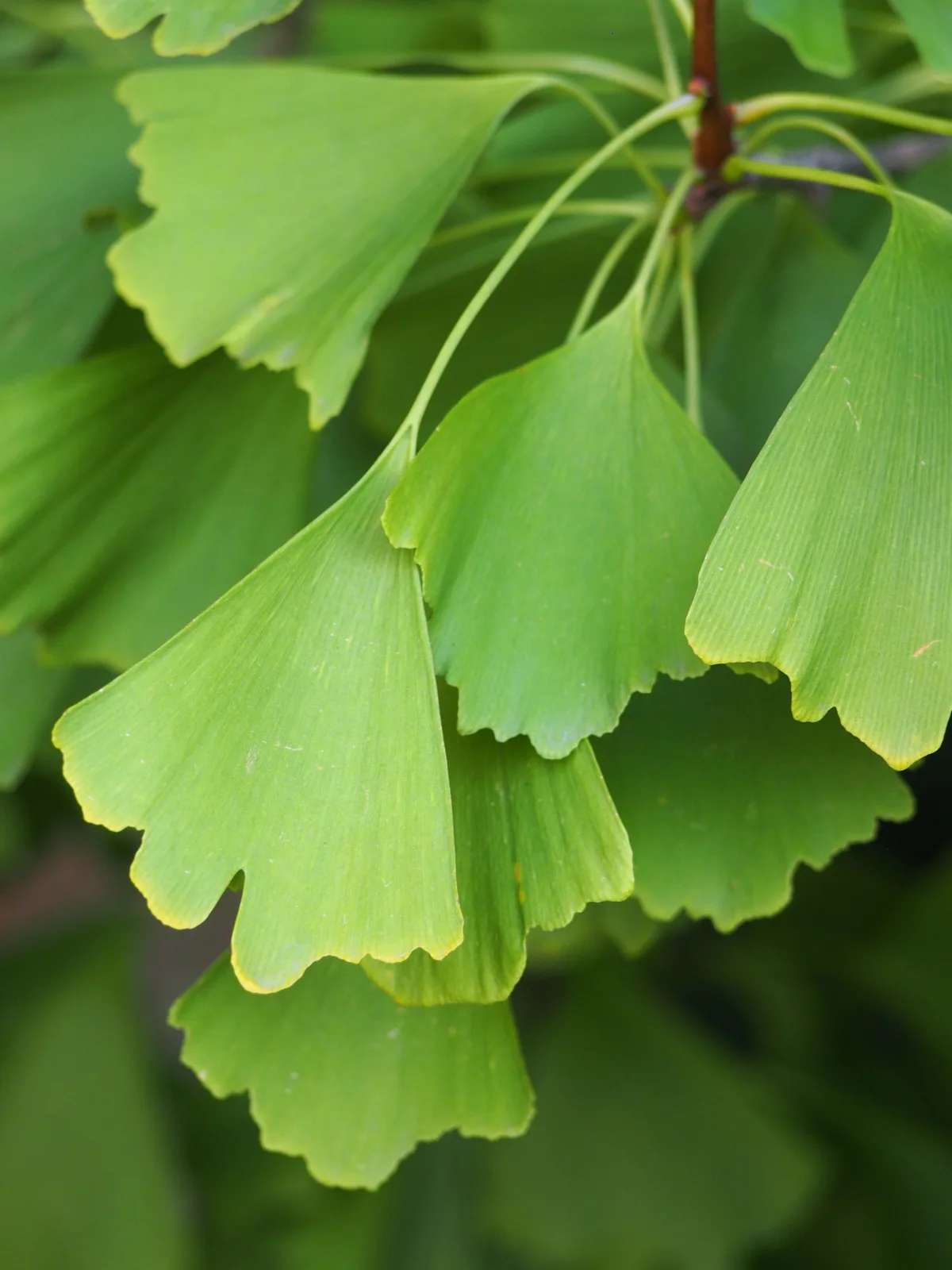
Maidenhair Tree
Ginkgo biloba
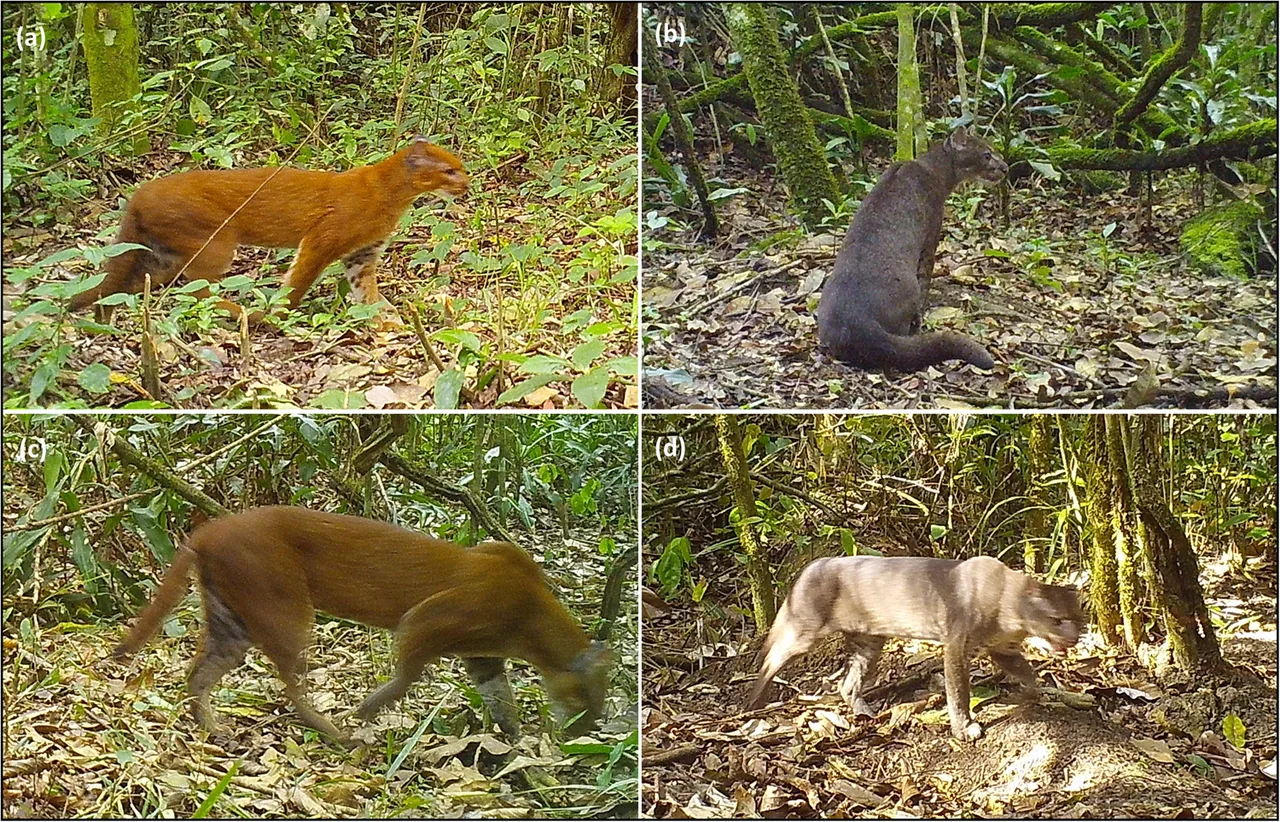
African Golden Cat
Caracal auratus
How to compare two organisms
Choose two species and trace their closest shared group. Then compare a trait with the same definition on each side. Check the units, life stage and context before interpreting a measurement or range.
Missing data means that the collection lacks a sourced value. Where a characteristic does not apply to a lineage, the comparison labels it separately. Open the two profiles for context and follow their sources before drawing a conclusion.
Evidence from the profiles
Compare their characteristics
| Trait | Maidenhair Tree | African Golden Cat |
|---|---|---|
| Physical traits | Leaves have branching veins and often a central notch. Long shoots and short shoots produce different-looking clusters of leaves. | The body is robust and the coat varies between reddish and grayish forms. Spotting can be more visible on some parts of the body. |
| Habitat and range | The tree grows best with light and well-drained soil and is widely used in urban plantings. | Dense African forest and secondary growth provide cover and hunting habitat. |
| Diet and nutrition | Leaves photosynthesize during the growing season. Deciduous leaf loss changes the annual balance between production and stored reserves. | Rodents and other forest mammals are important prey. Birds and additional small animals may also be taken. |
| Behavior and activity | Leaves change color and fall seasonally. Reproductive structures occur on short shoots. | It is generally solitary and difficult to observe in dense cover. Sparse observations should not be treated as a complete account of its daily behavior. |
| Reproduction and life cycle | Pollen-bearing and ovule-bearing trees are separate. Fertilized ovules mature into seeds with a fleshy outer layer. | Data unavailable |
| Geographic distribution | The species originates in China and has been cultivated far beyond its native region. Cultivated occurrence is not evidence of a wild population. | The Mammal Diversity Database v2.5 records this species in Angola, Cameroon, Central African Republic, Cote d'Ivoire, Democratic Republic of the Congo, Equatorial Guinea, Gabon, Ghana, Guinea, Liberia, Nigeria, Republic of the Congo, Sierra Leone, Uganda, Benin?, Burundi?, Gambia?, Guinea-Bissau?, Kenya?, Rwanda?, Senegal?, Sudan?, Togo?. |
| Ecological role | Trees supply shade and structural habitat; the ecological setting of planted trees differs from remnant native stands. | Data unavailable |
| Distinctive adaptations | Tolerance of several urban stresses helps explain its widespread use as a street tree. | Data unavailable |
| Conservation | Abundant cultivated trees do not demonstrate security of wild populations. Native-range conservation needs separate evidence. | Data unavailable |
Classification
Shared ancestry
Closest shared taxon: Eukaryota.