 Living Beings
Evidence from the profiles
Compare their characteristics
| Trait | Serval | Tiger |
|---|---|---|
| Nutrition | Data unavailable | Carnivorous Source ↗ |
| Social organization | Data unavailable | Generally solitary Source ↗ |
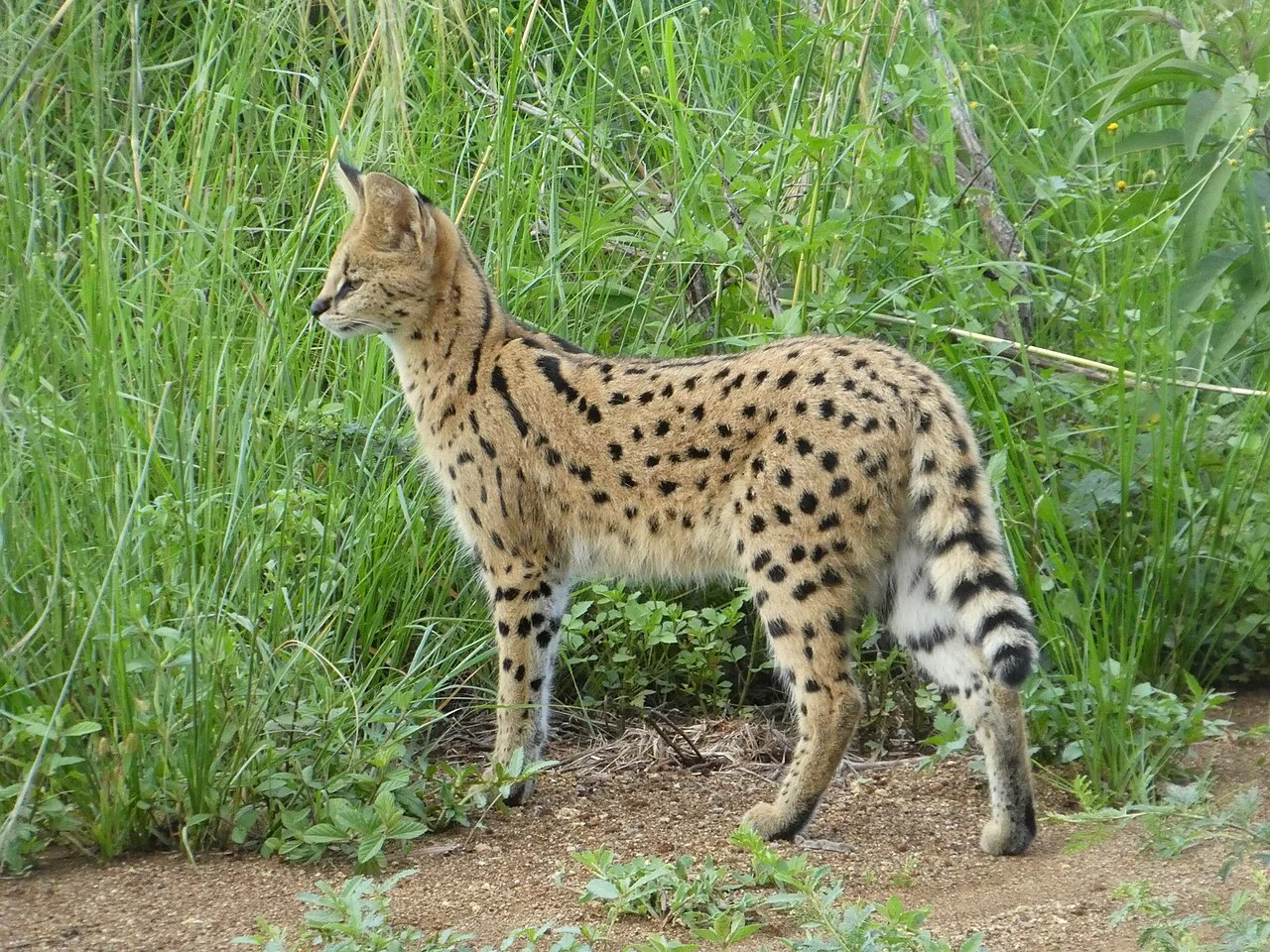
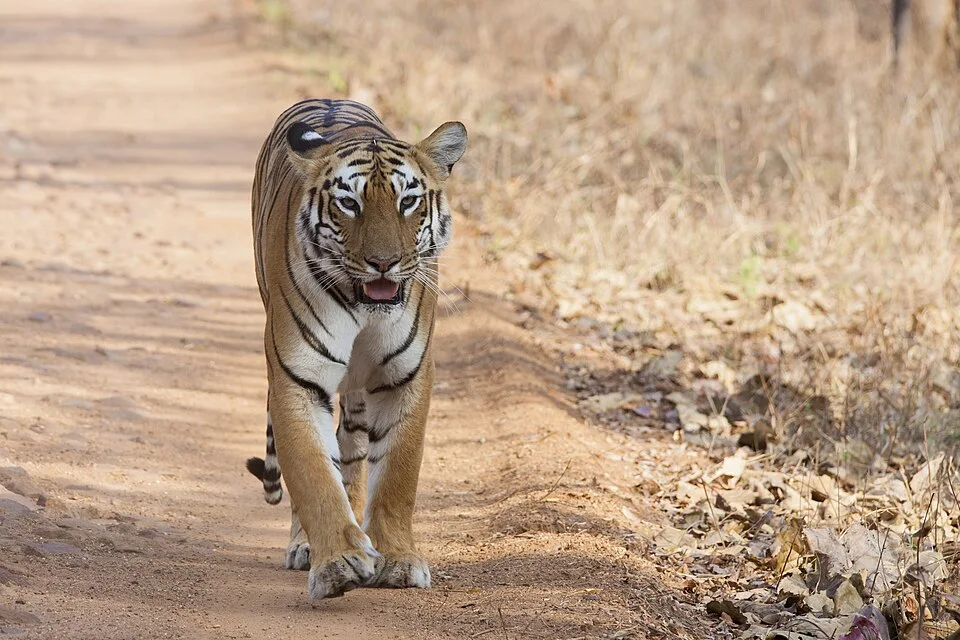
| Physical traits | Large ears, long legs and a spotted coat give it a distinctive outline. | Dark stripes break up the tiger’s outline. Stripe patterns vary from one individual to another. |
| Habitat and range | Grasslands, reed beds and other covered habitats near suitable hunting grounds are used. | Tigers live in varied habitats, including tropical forests, mangrove swamps and temperate forest. |
| Diet and nutrition | Small mammals are particularly important, with birds and additional animals supplementing the diet. | Tigers mainly hunt large mammals, including deer and wild pigs. |
| Behavior and activity | Servals listen closely and use leaps or pounces to catch concealed prey. Activity timing can change with local conditions and disturbance. | A tiger usually hunts by stalking its prey and attacking at close range. |
| Geographic distribution | The Mammal Diversity Database v2.5 records this species in Angola, Benin, Botswana, Burkina Faso, Burundi, Cameroon, Central African Republic, Chad, Cote d'Ivoire, Democratic Republic of the Congo, Djibouti, Eritrea, Eswatini, Ethiopia, Gabon, Gambia, Ghana, Guinea, Guinea-Bissau, Kenya, Liberia, Malawi, Mali, Morocco, Mozambique, Namibia, Niger, Nigeria, Republic of the Congo, Rwanda, Senegal, Sierra Leone, Somalia, South Africa, South Sudan, Sudan, Tanzania, Togo, Tunisia, Uganda, Zambia, Zimbabwe, Algeria?, Lesotho?. | Data unavailable |
Classification
Shared ancestry
Closest shared taxon: Felidae.
Explore the taxonomy ↗