 Living Beings
Compare species
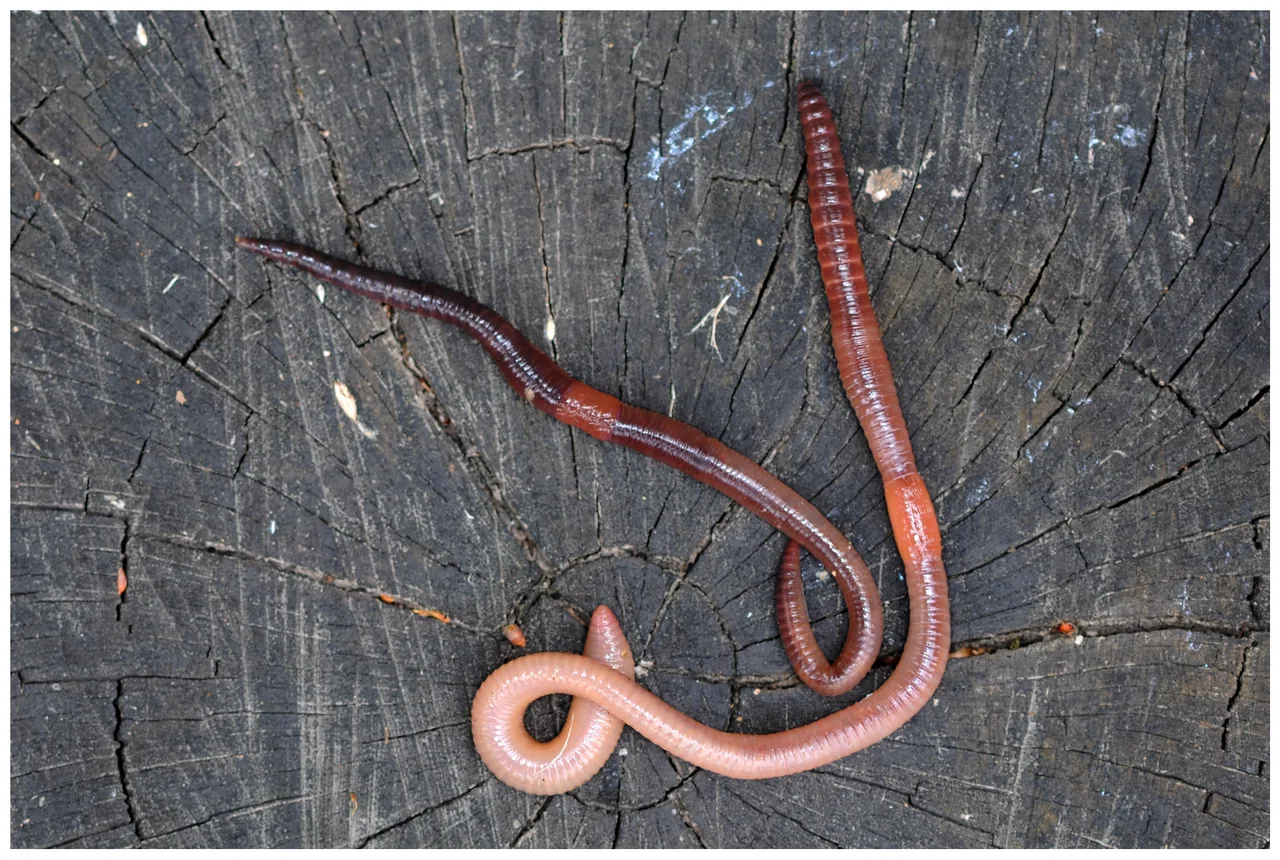
Common Earthworm
Lumbricus terrestris
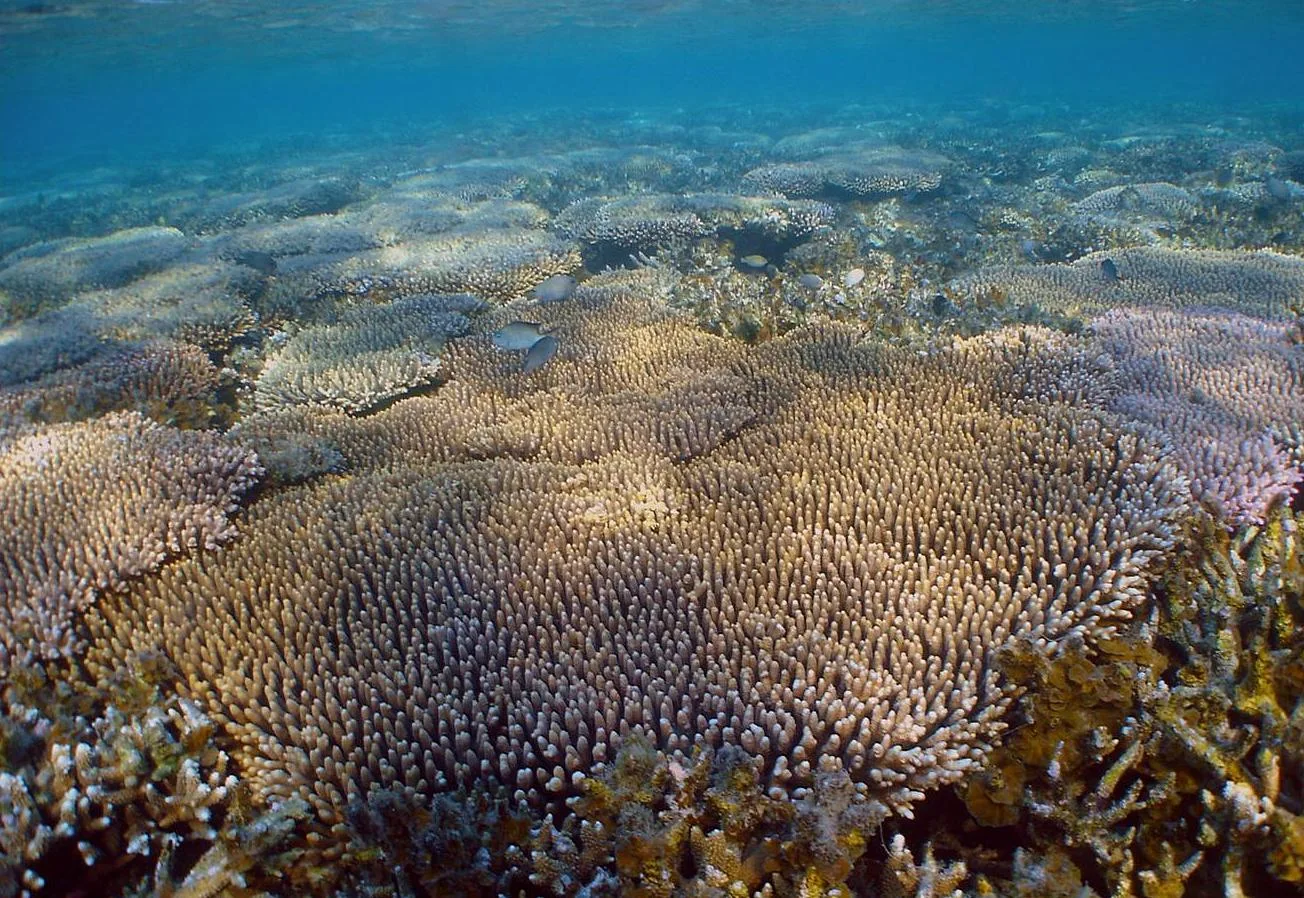
Acropora millepora
Acropora millepora
Evidence from the profiles
Compare their characteristics
| Trait | Common Earthworm | Acropora millepora |
|---|---|---|
| Physical traits | A segmented, elongated body carries small bristles used in movement. Mature worms have a distinct clitellum associated with reproduction. | Colonies form branching structures covered by small skeletal cups that house polyps. Colony color alone is insufficient for secure species identification. |
| Habitat and range | Moist soils with access to surface organic material support its burrowing and feeding habits. | Shallow, well-lit marine reef environments support the coral and its photosynthetic partners. |
| Diet and nutrition | Surface leaf litter is an important resource. Laboratory observations of seedling damage do not make living plants its normal replacement for litter. | Polyps capture small suspended food, while algal symbionts contribute photosynthetic products. |
| Behavior and activity | Worms commonly forage near their burrow entrance and withdraw into the soil when disturbed. | Tentacles and mucus help the colony interact with surrounding seawater. Recognition mechanisms influence responses to microbes. |
| Reproduction and life cycle | Individuals are hermaphrodites that exchange sperm. Fertilized eggs develop in cocoons produced through the clitellum. | Colonies grow by producing additional polyps. Sexual reproduction can release gametes that develop into settling larvae. |
| Geographic distribution | Native to parts of Europe, the species has been transported elsewhere. Introduced earthworms can alter ecosystems that developed without them. | The species occurs in the Indo-Pacific reef region. Species-level locality records should accompany detailed range mapping. |
| Ecological role | Burrowing and litter incorporation modify soil structure and nutrient cycling; these effects depend on the receiving ecosystem. | Skeletal growth contributes reef structure and habitat. Symbiotic interactions are central to energy supply and colony health. |
| Distinctive adaptations | Muscular segments and bristles provide traction, while moist skin enables gas exchange. | A colonial body and partnerships with photosynthetic cells support growth in well-lit reef environments. |
| Conservation | The ecological effects of an introduced population differ from conservation concerns in its native range. This account assigns no formal threat category. | Thermal stress, bleaching and degradation of reef habitat are concerns. A source on molecular recognition does not establish a current Red List category. |
Classification
Shared ancestry
Closest shared taxon: Eumetazoa.
Sources from both profiles
Common Earthworm
- Lumbricus terrestris · NCBI Taxonomy ↗
- Experimental evaluation of herbivory on live plant seedlings by the earthworm Lumbricus terrestris L. in the presence and absence of soil surface litter ↗
- Lumbricus terrestris — University of California, Davis, SAREP ↗
- Lumbricus terrestris — IUCN Global Invasive Species Database ↗