 Living Beings
Compare species
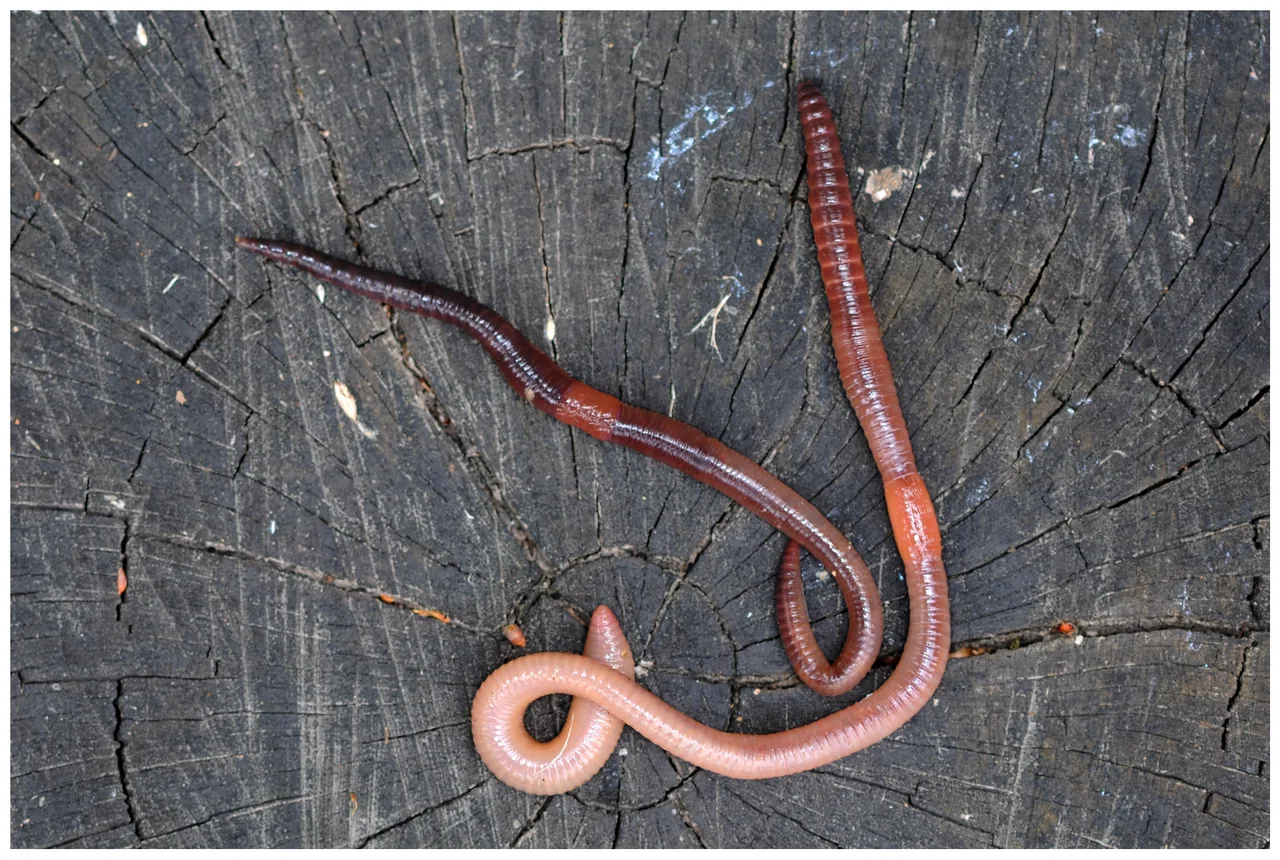
Common Earthworm
Lumbricus terrestris
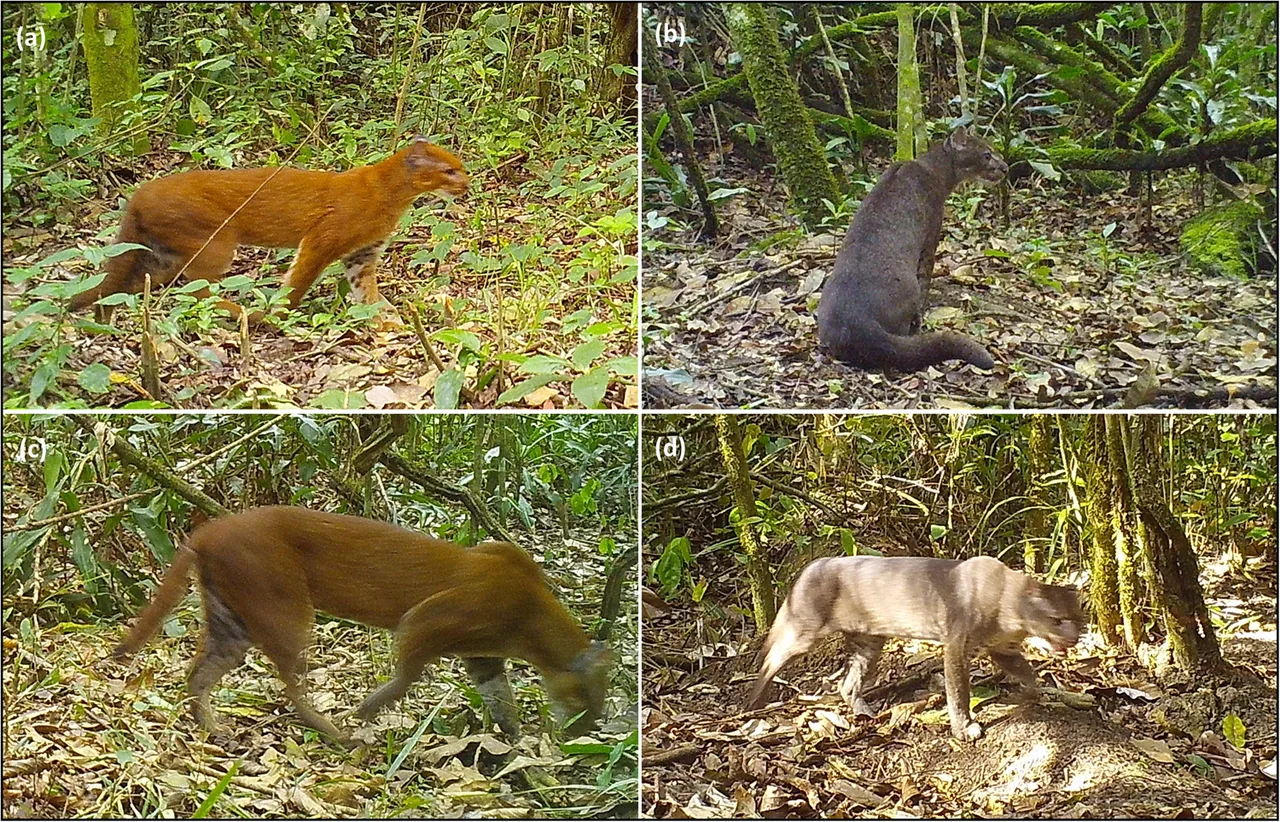
African Golden Cat
Caracal auratus
Evidence from the profiles
Compare their characteristics
| Trait | Common Earthworm | African Golden Cat |
|---|---|---|
| Physical traits | A segmented, elongated body carries small bristles used in movement. Mature worms have a distinct clitellum associated with reproduction. | The body is robust and the coat varies between reddish and grayish forms. Spotting can be more visible on some parts of the body. |
| Habitat and range | Moist soils with access to surface organic material support its burrowing and feeding habits. | Dense African forest and secondary growth provide cover and hunting habitat. |
| Diet and nutrition | Surface leaf litter is an important resource. Laboratory observations of seedling damage do not make living plants its normal replacement for litter. | Rodents and other forest mammals are important prey. Birds and additional small animals may also be taken. |
| Behavior and activity | Worms commonly forage near their burrow entrance and withdraw into the soil when disturbed. | It is generally solitary and difficult to observe in dense cover. Sparse observations should not be treated as a complete account of its daily behavior. |
| Reproduction and life cycle | Individuals are hermaphrodites that exchange sperm. Fertilized eggs develop in cocoons produced through the clitellum. | Data unavailable |
| Geographic distribution | Native to parts of Europe, the species has been transported elsewhere. Introduced earthworms can alter ecosystems that developed without them. | The Mammal Diversity Database v2.5 records this species in Angola, Cameroon, Central African Republic, Cote d'Ivoire, Democratic Republic of the Congo, Equatorial Guinea, Gabon, Ghana, Guinea, Liberia, Nigeria, Republic of the Congo, Sierra Leone, Uganda, Benin?, Burundi?, Gambia?, Guinea-Bissau?, Kenya?, Rwanda?, Senegal?, Sudan?, Togo?. |
| Ecological role | Burrowing and litter incorporation modify soil structure and nutrient cycling; these effects depend on the receiving ecosystem. | Data unavailable |
| Distinctive adaptations | Muscular segments and bristles provide traction, while moist skin enables gas exchange. | Data unavailable |
| Conservation | The ecological effects of an introduced population differ from conservation concerns in its native range. This account assigns no formal threat category. | Data unavailable |
Classification
Shared ancestry
Closest shared taxon: Bilateria.
Sources from both profiles
Common Earthworm
- Lumbricus terrestris · NCBI Taxonomy ↗
- Experimental evaluation of herbivory on live plant seedlings by the earthworm Lumbricus terrestris L. in the presence and absence of soil surface litter ↗
- Lumbricus terrestris — University of California, Davis, SAREP ↗
- Lumbricus terrestris — IUCN Global Invasive Species Database ↗