 Living Beings
 Framed for display
Compare species
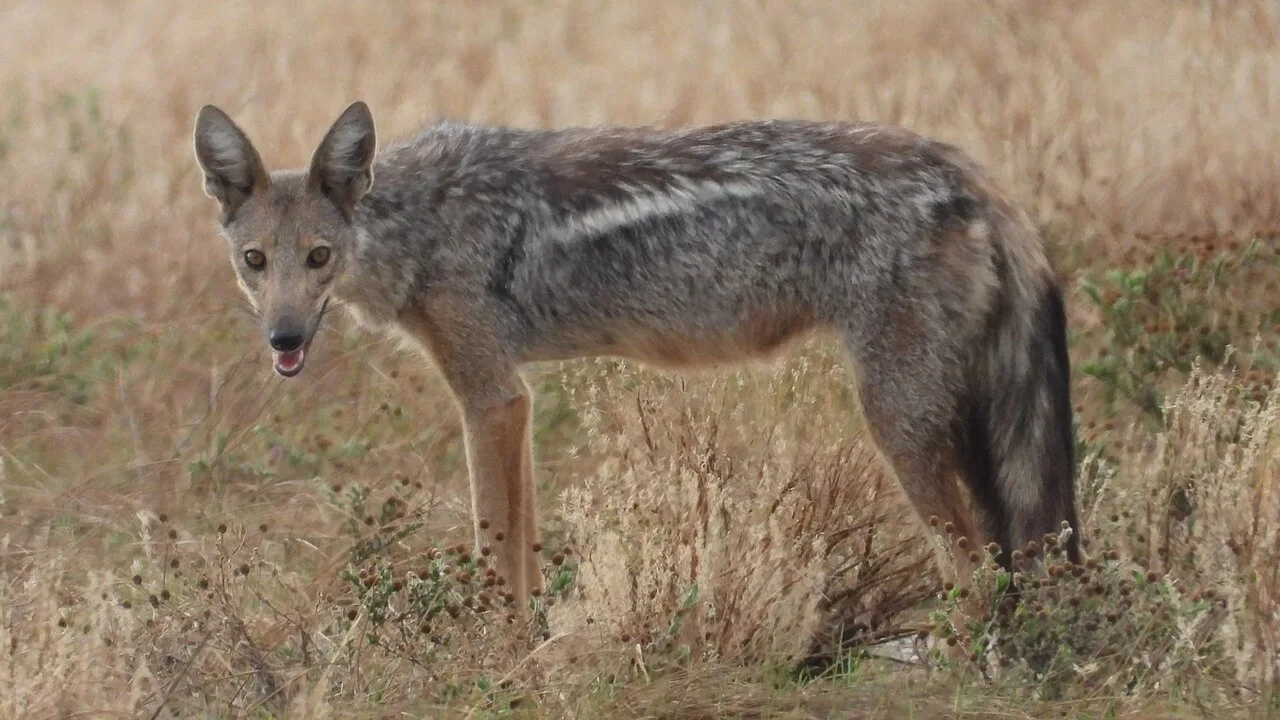
Side-striped Jackal
Lupulella adusta
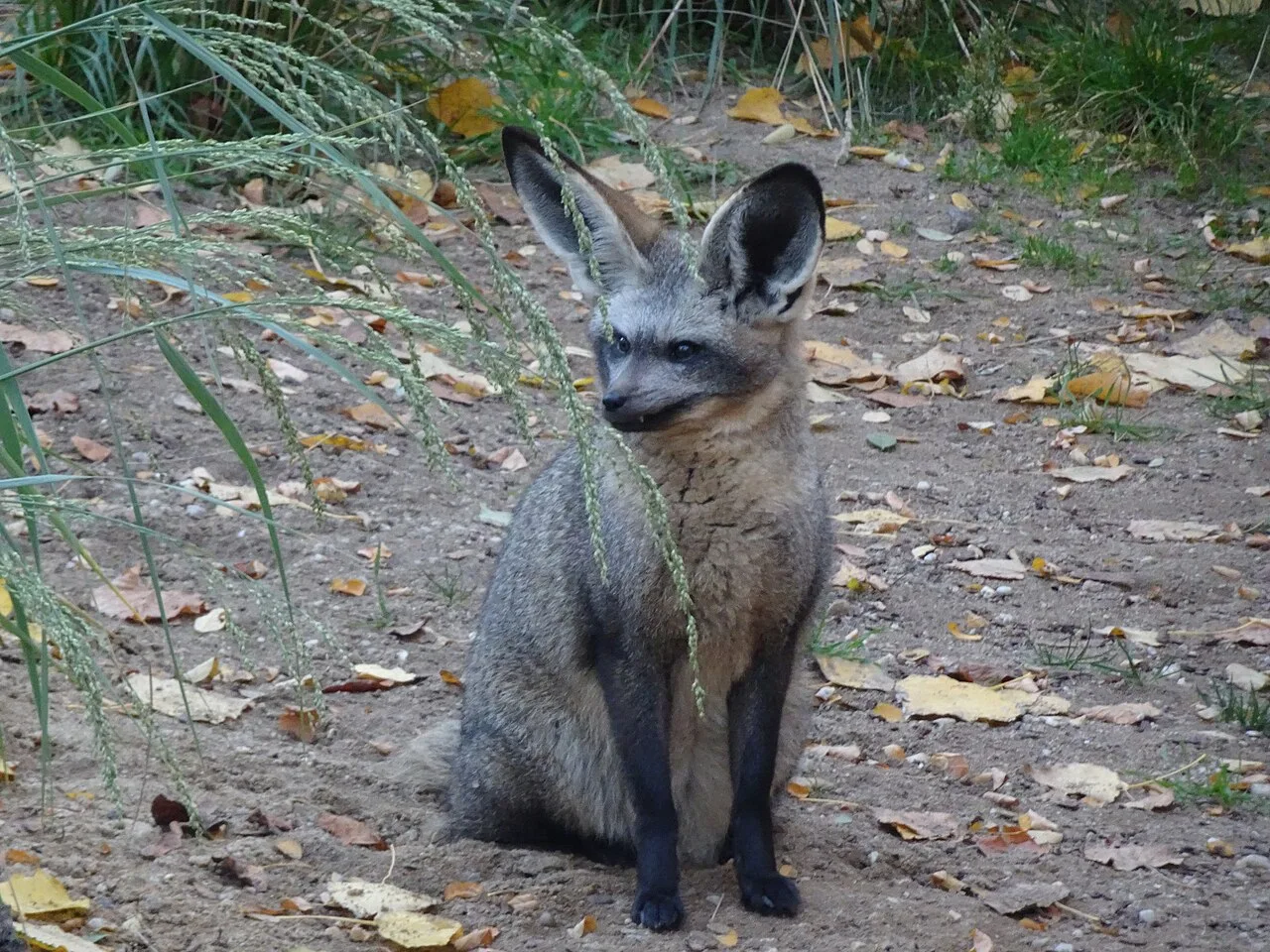
Bat-eared Fox
Otocyon megalotis
Try a comparison
How to compare two organisms
Choose two species and trace their closest shared group. Then compare a trait with the same definition on each side. Check the units, life stage and context before interpreting a measurement or range.
Missing data means that the collection lacks a sourced value. Where a characteristic does not apply to a lineage, the comparison labels it separately. Open the two profiles for context and follow their sources before drawing a conclusion.
Biological comparison
Means, ranges and reported maxima describe different things. Check the source and population before comparing values.
Classification
Shared ancestry
Closest shared taxon · Canidae.
Separate lineages
Side-striped JackalgenusLupulellaspeciesLupulella adusta
Bat-eared FoxgenusOtocyonspeciesOtocyon megalotis
| Characteristic | Side-striped Jackal | Bat-eared Fox |
|---|---|---|
Scientific measurements | Scientific measurements | |
| No structured measurements are recorded for either organism. | ||
Natural history | Natural history | |
| Nutrition and energy acquisition |
Fruit, insects, small animals and carrion can all contribute. The mix changes with habitat and season. Source 1 ↗Source 2 ↗ |
Termites and other insects are important foods, with additional small animals and plant matter taken occasionally. In the southwestern Kalahari, …Termites and other insects are important foods, with additional small animals and plant matter taken occasionally. In the southwestern Kalahari, field observations found that foxes foraged close together when termites were concentrated in patches. They spread out more widely while searching for scattered insect larvae. The same study therefore recorded different group spacing as the foxes switched between prey distributed in different ways. |
| Habitat |
Wooded savannas, thickets and other relatively moist covered landscapes provide habitat. Source 1 ↗Source 2 ↗ |
Short-grass savannas and other relatively open habitats provide feeding grounds and den sites. Source 1 ↗Source 2 ↗ |
| Geographic distribution |
The Mammal Diversity Database v2.5 records this species in Angola, Benin, Botswana, Burkina Faso, Burundi, Cameroon, Central African Republic, Chad, …The Mammal Diversity Database v2.5 records this species in Angola, Benin, Botswana, Burkina Faso, Burundi, Cameroon, Central African Republic, Chad, Cote d'Ivoire, Democratic Republic of the Congo, Eswatini, Ethiopia, Gabon, Gambia, Ghana, Guinea, Guinea-Bissau, Kenya, Malawi, Mali, Mauritania, Mozambique, Namibia, Niger, Nigeria, Republic of the Congo, Rwanda, Senegal, Sierra Leone, Somalia, South Africa, South Sudan, Sudan, Tanzania, Togo, Uganda, Zambia, Zimbabwe. |
The Mammal Diversity Database v2.5 records this species in Angola, Botswana, Ethiopia, Kenya, Mozambique, Namibia, Somalia, South Africa, South Sudan, Tanzania, Uganda, Zimbabwe. Source 1 ↗Source 2 ↗ |
| Morphology |
A comparatively subdued grayish coat carries pale side markings. The tail often has a pale tip. Source 1 ↗Source 2 ↗ |
Very large ears stand above a small, slender body with darker facial and limb markings. Source 1 ↗Source 2 ↗ |
| Behavior and activity |
Activity is often concentrated at night. Individuals may occur alone, in pairs or in family groups rather than in a single universal social arrangement. Source 1 ↗Source 2 ↗ |
Foraging can track the activity of insect prey. Daily schedules vary with region and season, including differences between hot and cool conditions. Source 1 ↗Source 2 ↗ |
Sources from both profiles
Side-striped Jackal
More comparisons
Framed for display

 Framed for display

 Framed for display
