 Living Beings
Compare species
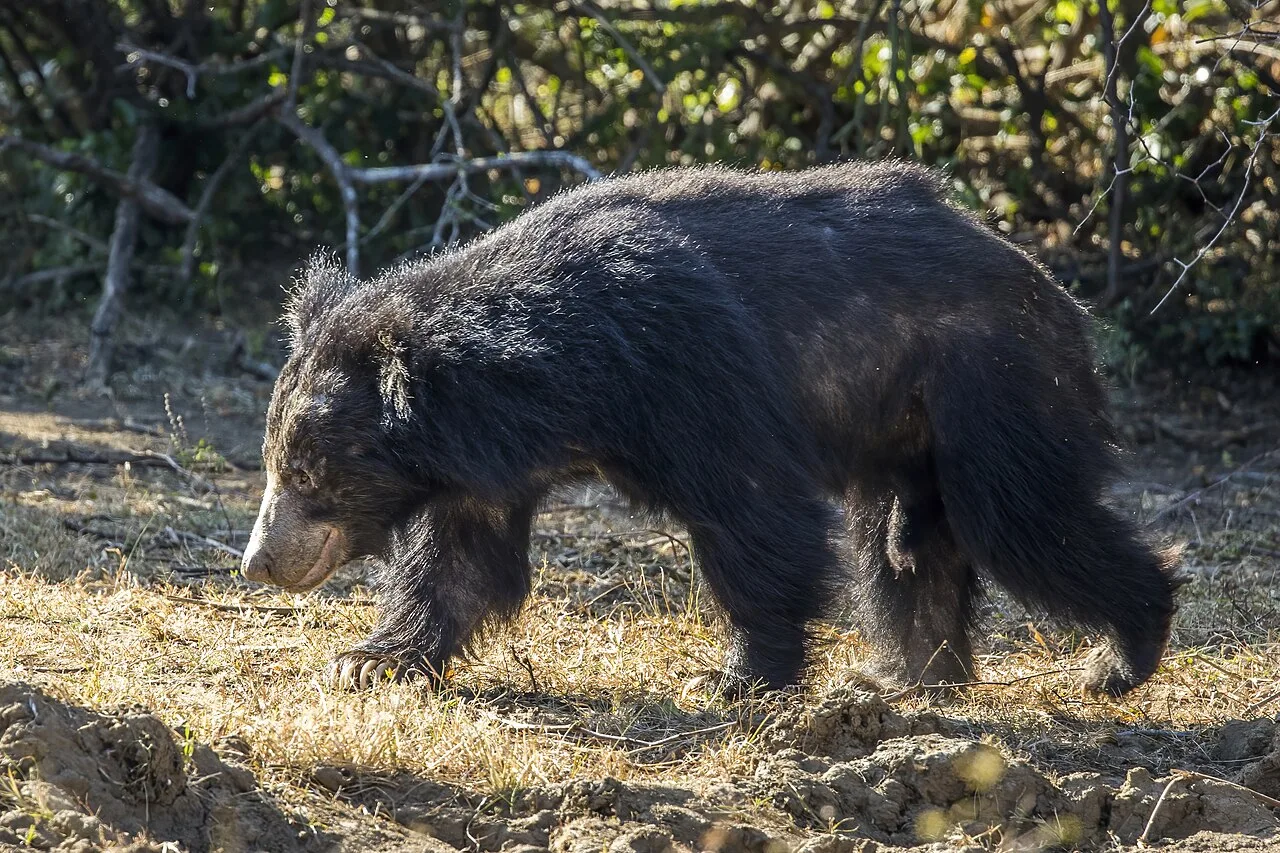
Sloth Bear
Melursus ursinus
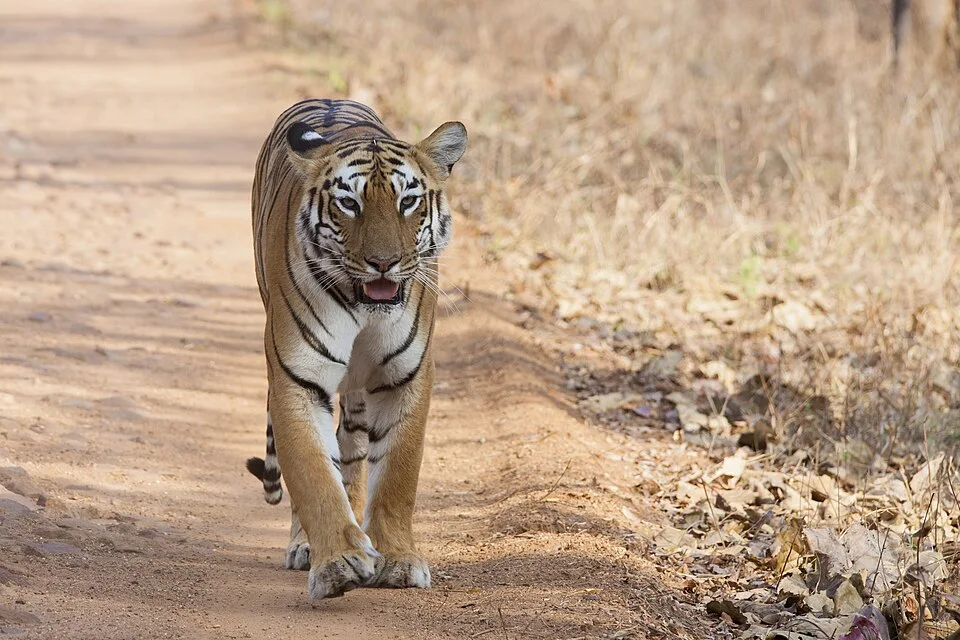
Tiger
Panthera tigris
Evidence from the profiles
Compare their characteristics
| Trait | Sloth Bear | Tiger |
|---|---|---|
| Nutrition | Data unavailable | Carnivorous Source ↗ |
| Social organization | Data unavailable | Generally solitary Source ↗ |
| Physical traits | A shaggy coat, pale chest marking and elongated muzzle distinguish it from other Asian bears. The lips and nostrils participate in its distinctive suction-feeding method. | Dark stripes break up the tiger’s outline. Stripe patterns vary from one individual to another. |
| Habitat and range | Woodland, grassland and rocky landscapes can provide den sites and food. The species is not restricted to dense rainforest. | Tigers live in varied habitats, including tropical forests, mangrove swamps and temperate forest. |
| Diet and nutrition | Ants and termites are important foods, supplemented by fruit and other plant resources. The balance changes with season and local food availability. | Tigers mainly hunt large mammals, including deer and wild pigs. |
| Behavior and activity | Much foraging takes place at night. A well-developed sense of smell helps locate food concealed underground or in insect nests. | A tiger usually hunts by stalking its prey and attacking at close range. |
| Reproduction and life cycle | Mothers shelter young in dens and care for them after emergence. Cubs may travel on the mother’s back, a characteristic feature of this bear’s early family life. | Data unavailable |
| Geographic distribution | The Mammal Diversity Database v2.5 records this species in Bangladesh, Bhutan, India, Nepal, Sri Lanka. | Data unavailable |
Classification
Shared ancestry
Closest shared taxon: Carnivora.
Explore the taxonomy ↗