 Living Beings
Compare species
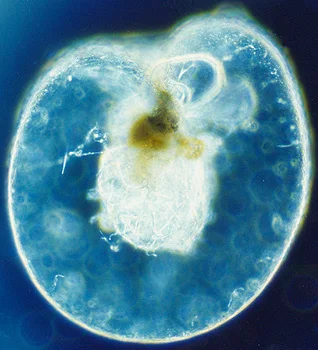
Sea Sparkle
Noctiluca scintillans
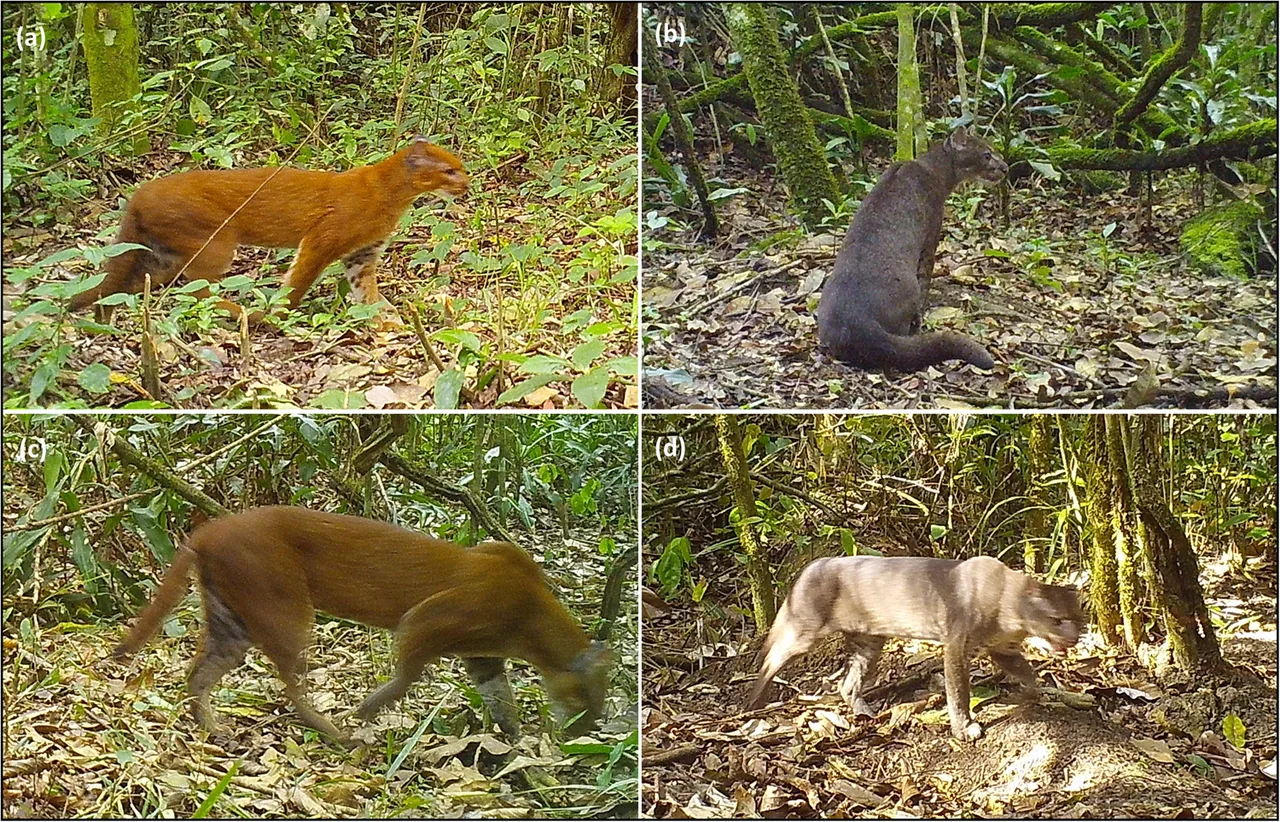
African Golden Cat
Caracal auratus
How to compare two organisms
Choose two species and trace their closest shared group. Then compare a trait with the same definition on each side. Check the units, life stage and context before interpreting a measurement or range.
Missing data means that the collection lacks a sourced value. Where a characteristic does not apply to a lineage, the comparison labels it separately. Open the two profiles for context and follow their sources before drawing a conclusion.
Evidence from the profiles
Compare their characteristics
| Trait | Sea Sparkle | African Golden Cat |
|---|---|---|
| Physical traits | A buoyant, balloon-like cell contains an oral pouch and a conspicuous tentacle. The micrograph shows the cell itself, not a glowing coastal bloom. | The body is robust and the coat varies between reddish and grayish forms. Spotting can be more visible on some parts of the body. |
| Habitat and range | It occurs especially in coastal waters, including areas influenced by river discharge. | Dense African forest and secondary growth provide cover and hunting habitat. |
| Diet and nutrition | The organism is heterotrophic: it takes in food rather than being characterized simply as a photosynthetic green alga. | Rodents and other forest mammals are important prey. Birds and additional small animals may also be taken. |
| Behavior and activity | Mechanical disturbance can trigger blue bioluminescence in luminous populations. Research has also documented populations that have lost visible bioluminescence. | It is generally solitary and difficult to observe in dense cover. Sparse observations should not be treated as a complete account of its daily behavior. |
| Geographic distribution | Documented across temperate, subtropical and tropical seas. Particular populations differ in their capacity to emit light. | The Mammal Diversity Database v2.5 records this species in Angola, Cameroon, Central African Republic, Cote d'Ivoire, Democratic Republic of the Congo, Equatorial Guinea, Gabon, Ghana, Guinea, Liberia, Nigeria, Republic of the Congo, Sierra Leone, Uganda, Benin?, Burundi?, Gambia?, Guinea-Bissau?, Kenya?, Rwanda?, Senegal?, Sudan?, Togo?. |
| Ecological role | Dense accumulations can change the appearance of surface waters. A red or pink water discoloration and a nighttime blue flash are different phenomena. | Data unavailable |
| Distinctive adaptations | Bioluminescence involves specialized cellular chemistry. It should not be described as fluorescence or assumed to occur equally in every population. | Data unavailable |
Classification
Shared ancestry
Closest shared taxon: Eukaryota.