 Living Beings
Compare species
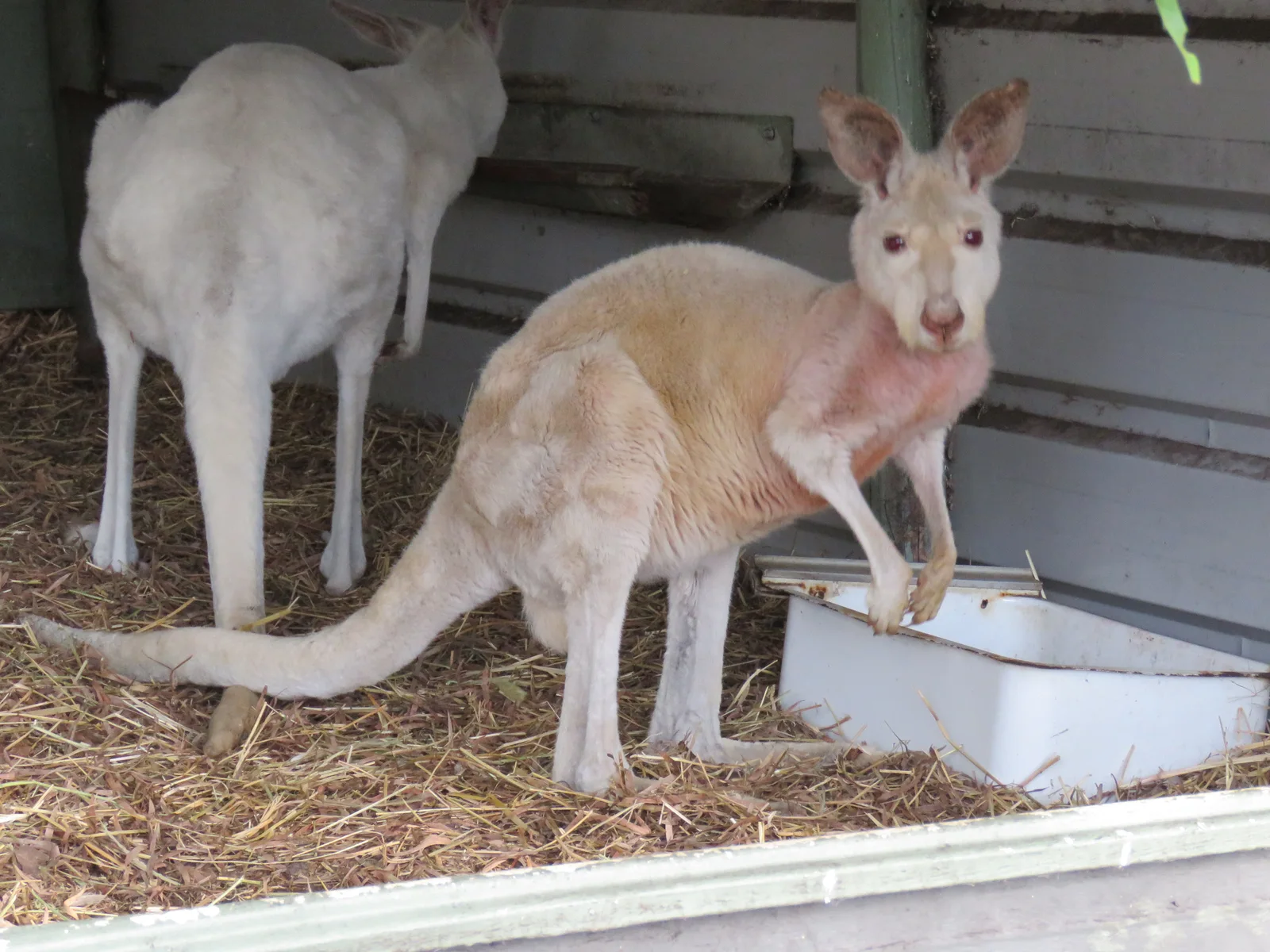
Red Kangaroo
Osphranter rufus
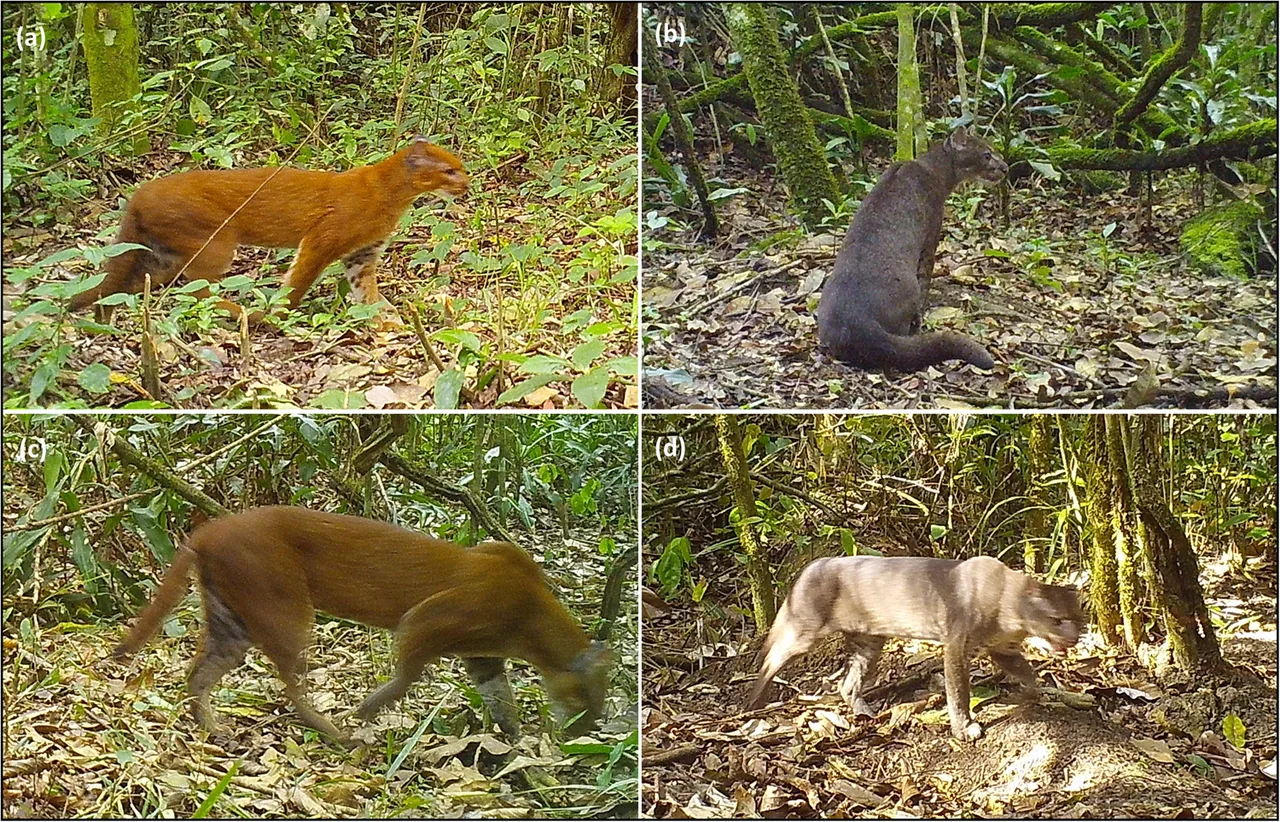
African Golden Cat
Caracal auratus
How to compare two organisms
Choose two species and trace their closest shared group. Then compare a trait with the same definition on each side. Check the units, life stage and context before interpreting a measurement or range.
Missing data means that the collection lacks a sourced value. Where a characteristic does not apply to a lineage, the comparison labels it separately. Open the two profiles for context and follow their sources before drawing a conclusion.
Evidence from the profiles
Compare their characteristics
| Trait | Red Kangaroo | African Golden Cat |
|---|---|---|
| Physical traits | Large hindquarters, short forelimbs and a long tail distinguish the body plan. Sexes can differ strongly in size and coat color. | The body is robust and the coat varies between reddish and grayish forms. Spotting can be more visible on some parts of the body. |
| Habitat and range | Open grassland and shrubland provide feeding areas, with shade or cover useful during hot periods. | Dense African forest and secondary growth provide cover and hunting habitat. |
| Diet and nutrition | Grasses and other low vegetation supply most food. Forage availability changes following rainfall. | Rodents and other forest mammals are important prey. Birds and additional small animals may also be taken. |
| Behavior and activity | Kangaroos rest during hot conditions and often feed when it is cooler. Groups can gather where resources are suitable. | It is generally solitary and difficult to observe in dense cover. Sparse observations should not be treated as a complete account of its daily behavior. |
| Reproduction and life cycle | A newborn travels to the pouch and attaches to a teat. Development continues there before the young gradually becomes independent. | Data unavailable |
| Geographic distribution | The species occupies much of Australia's arid and semi-arid interior. The biological source uses the former genus name Macropus. | The Mammal Diversity Database v2.5 records this species in Angola, Cameroon, Central African Republic, Cote d'Ivoire, Democratic Republic of the Congo, Equatorial Guinea, Gabon, Ghana, Guinea, Liberia, Nigeria, Republic of the Congo, Sierra Leone, Uganda, Benin?, Burundi?, Gambia?, Guinea-Bissau?, Kenya?, Rwanda?, Senegal?, Sudan?, Togo?. |
| Ecological role | Grazing influences plant communities and connects dryland vegetation with animal food webs. | Data unavailable |
| Distinctive adaptations | Hopping, tail support and adjustments to breeding conditions help life in variable dry environments. | Data unavailable |
| Conservation | Local abundance depends on rainfall, land use and management. A broad range does not imply uniform conditions everywhere. | Data unavailable |
Classification
Shared ancestry
Closest shared taxon: Theria.