 Living Beings
Compare species
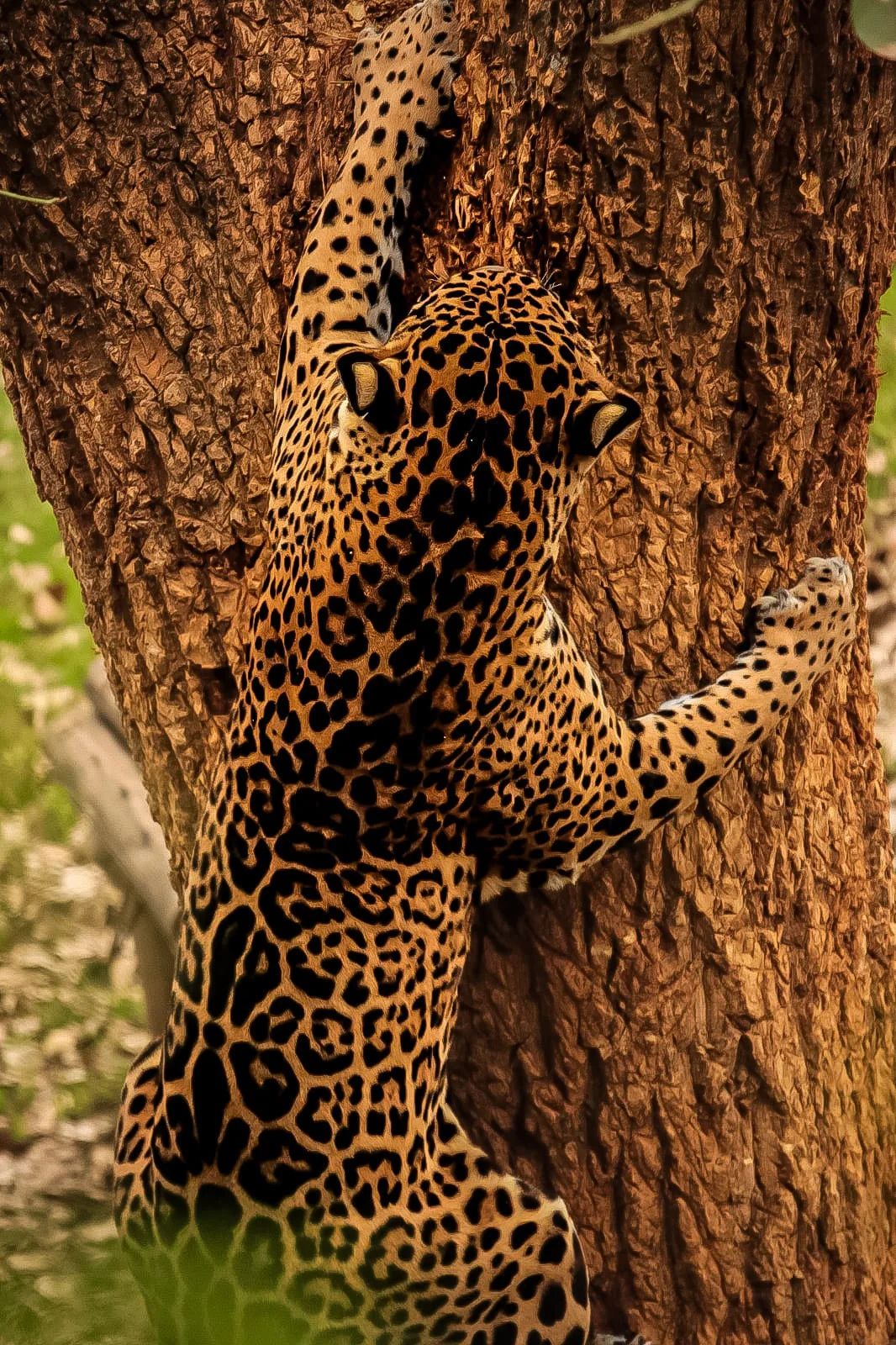
Jaguar
Panthera onca
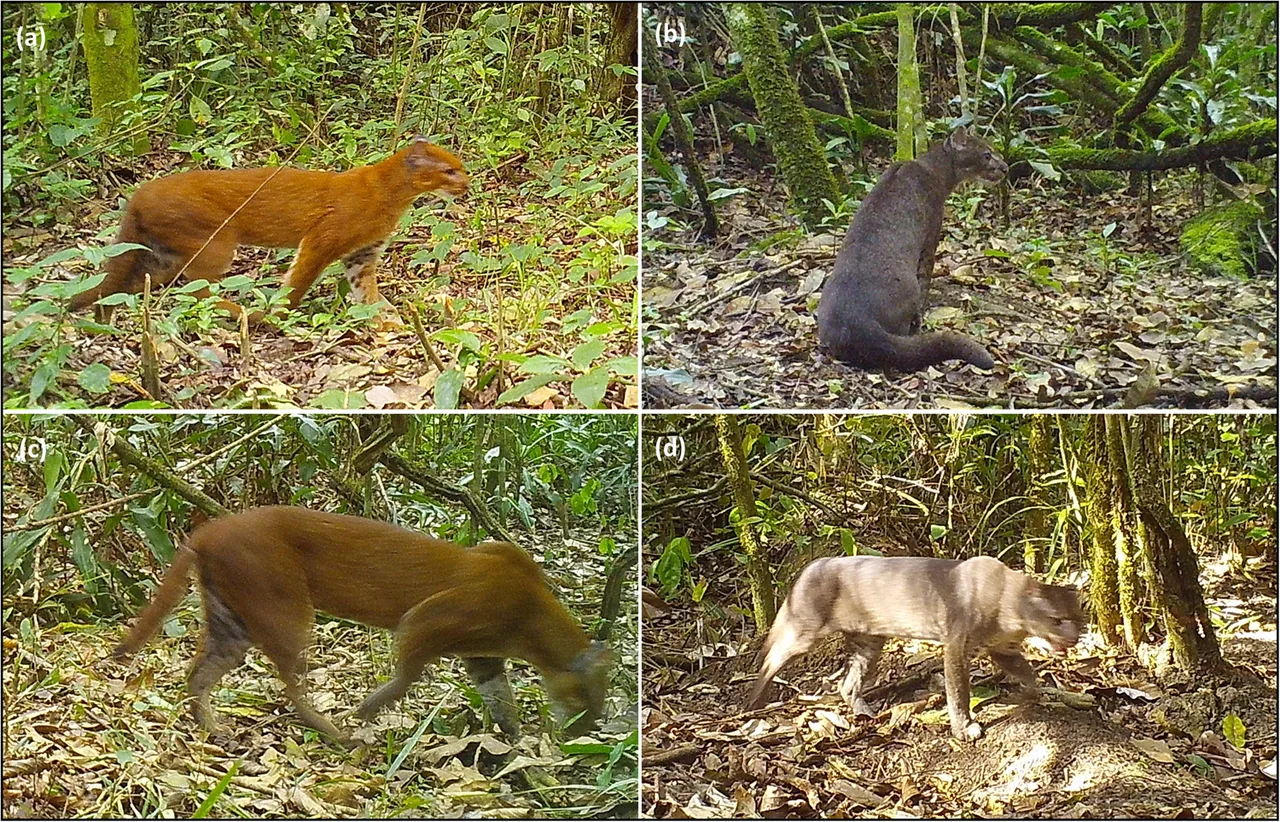
African Golden Cat
Caracal auratus
Evidence from the profiles
Compare their characteristics
| Trait | Jaguar | African Golden Cat |
|---|---|---|
| Physical traits | A jaguar is powerfully built, with relatively short limbs. Many rosettes contain small central spots, a useful contrast with a leopard's usual coat pattern. | The body is robust and the coat varies between reddish and grayish forms. Spotting can be more visible on some parts of the body. |
| Habitat and range | Moist forest, wooded wetlands and other landscapes with dense cover provide hunting and resting places. | Dense African forest and secondary growth provide cover and hunting habitat. |
| Diet and nutrition | Jaguars eat vertebrate prey including mammals and reptiles. Their broad jaws can be used to penetrate hard protective structures. | Rodents and other forest mammals are important prey. Birds and additional small animals may also be taken. |
| Behavior and activity | Adults are mostly solitary. They stalk from cover, swim readily and mark areas with scent and vocal signals. | It is generally solitary and difficult to observe in dense cover. Sparse observations should not be treated as a complete account of its daily behavior. |
| Reproduction and life cycle | Cubs are born dependent on their mother. Maternal care includes protection and the gradual transition from milk to meat. | Data unavailable |
| Geographic distribution | Present populations are distributed through parts of the Americas. Much of the former northern range has been lost or fragmented. | The Mammal Diversity Database v2.5 records this species in Angola, Cameroon, Central African Republic, Cote d'Ivoire, Democratic Republic of the Congo, Equatorial Guinea, Gabon, Ghana, Guinea, Liberia, Nigeria, Republic of the Congo, Sierra Leone, Uganda, Benin?, Burundi?, Gambia?, Guinea-Bissau?, Kenya?, Rwanda?, Senegal?, Sudan?, Togo?. |
| Ecological role | As large predators, jaguars connect terrestrial and wetland food webs. A diverse prey base supports their presence. | Data unavailable |
| Distinctive adaptations | Strong jaws, swimming ability and a concealed approach allow a varied hunting repertoire. | Data unavailable |
| Conservation | Habitat fragmentation and conflict following livestock losses are important pressures. Protecting connected habitat is relevant to long-term persistence. | Data unavailable |
Classification
Shared ancestry
Closest shared taxon: Felidae.
Explore the taxonomy ↗