Living Beings

 Framed for display
Species · Panthera
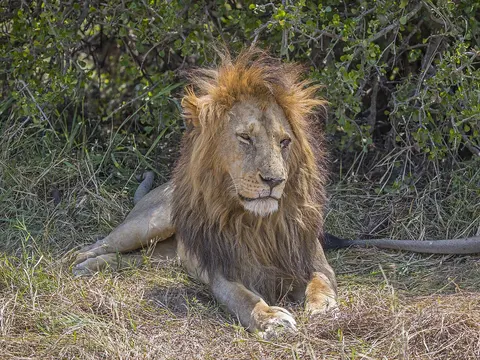
Lion
Panthera leo
Lions are social cats that live in groups called prides. A pride usually includes related females, their young, and one or more …
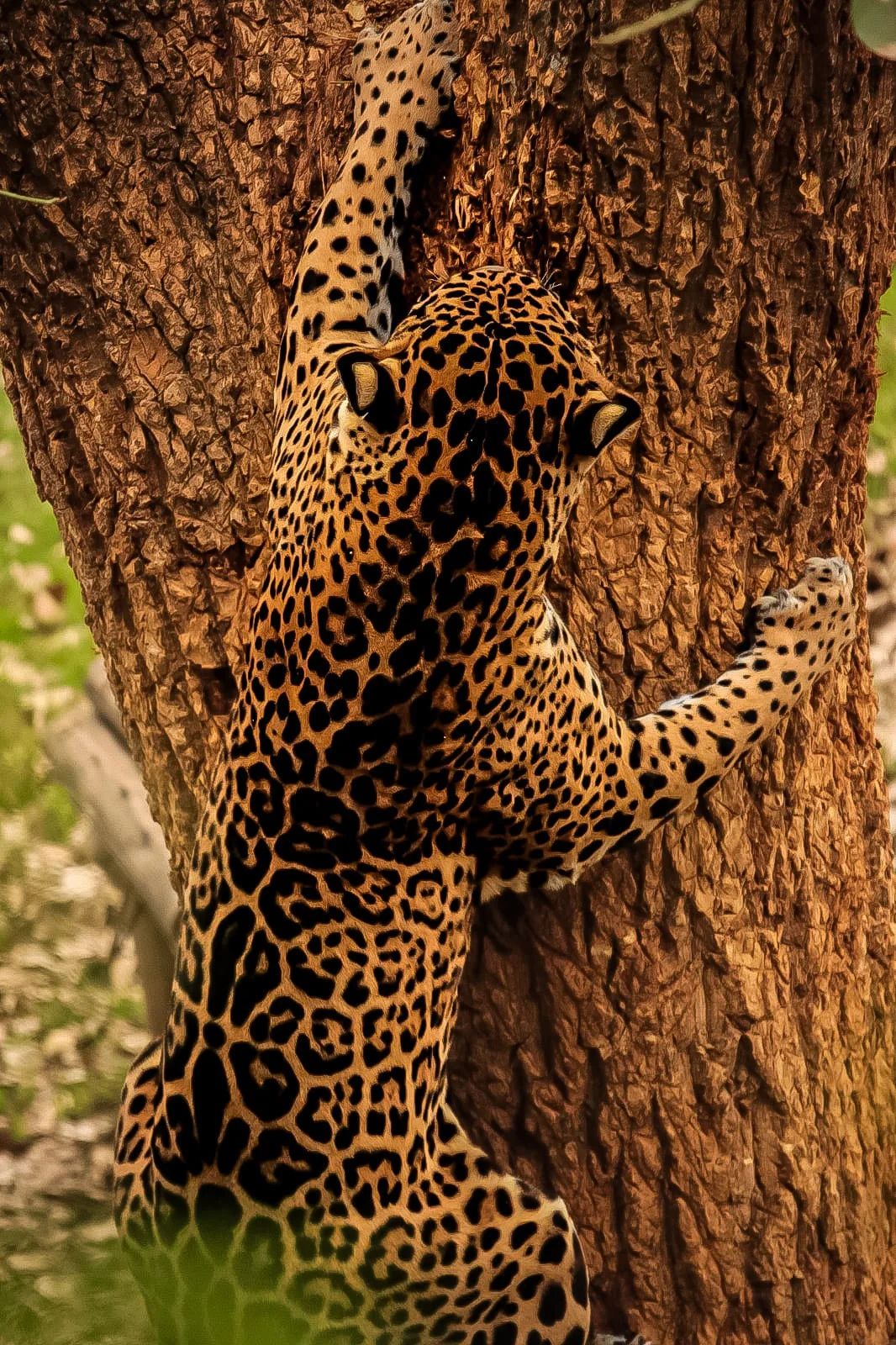
Panthera onca ,Yaguareté macho , 27.09.2023 , Bioparque de Fundacion Temaiken , Escobar , Buenos aires , Argentina.jpg · Resized and converted to WebP for display. Identification awaits editorial review. AI-generated illustration. Naturaleza en.foco · CC BY-SA 4.0
Field guide · species
Panthera onca
The jaguar is the largest living cat native to the Americas. Its stocky build, broad head and rosetted coat suit an ambush predator that often hunts around dense vegetation and water.
Public research profile · final editorial review pending.
Complete source lineage, including intermediate ranks. The standard view uses Life and the eight principal ranks.
A jaguar is powerfully built, with relatively short limbs. Many rosettes contain small central spots, a useful contrast with a leopard's usual coat pattern.
Moist forest, wooded wetlands and other landscapes with dense cover provide hunting and resting places.
Jaguars eat vertebrate prey including mammals and reptiles. Their broad jaws can be used to penetrate hard protective structures.
Adults are mostly solitary. They stalk from cover, swim readily and mark areas with scent and vocal signals.
Cubs are born dependent on their mother. Maternal care includes protection and the gradual transition from milk to meat.
Present populations are distributed through parts of the Americas. Much of the former northern range has been lost or fragmented.
As large predators, jaguars connect terrestrial and wetland food webs. A diverse prey base supports their presence.
Strong jaws, swimming ability and a concealed approach allow a varied hunting repertoire.
Habitat fragmentation and conflict following livestock losses are important pressures. Protecting connected habitat is relevant to long-term persistence.
Shared classification
Framed for display
Panthera leo
Lions are social cats that live in groups called prides. A pride usually includes related females, their young, and one or more …
 Framed for display
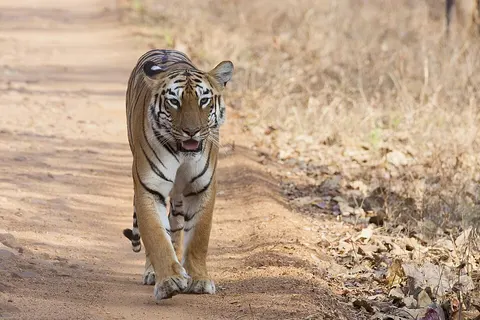
Panthera tigris
Tigers are large, striped cats native to Asia. Adults generally live and hunt alone.
 Framed for display
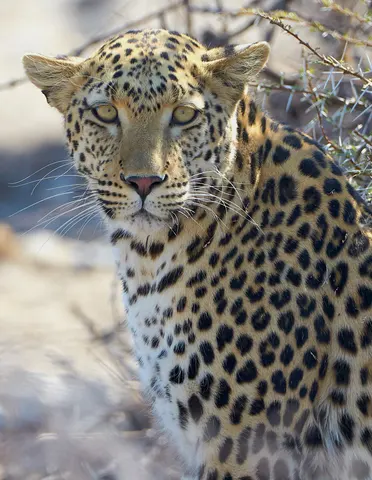
Panthera pardus
Rosettes, a muscular body and an unusually flexible choice of habitat distinguish the leopard. This solitary cat hunts from cover and can …
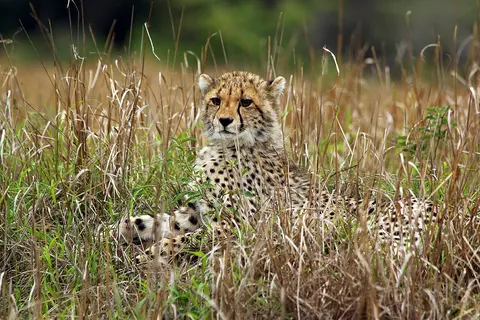 Framed for display
Acinonyx jubatus
The cheetah is a lightly built cat whose hunting style differs from the heavy ambush approach of many other felids. Its long …
Evidence
Connected life
No reviewed ecological connections in the collection yet.
Explore network ↗