 Living Beings
Compare species
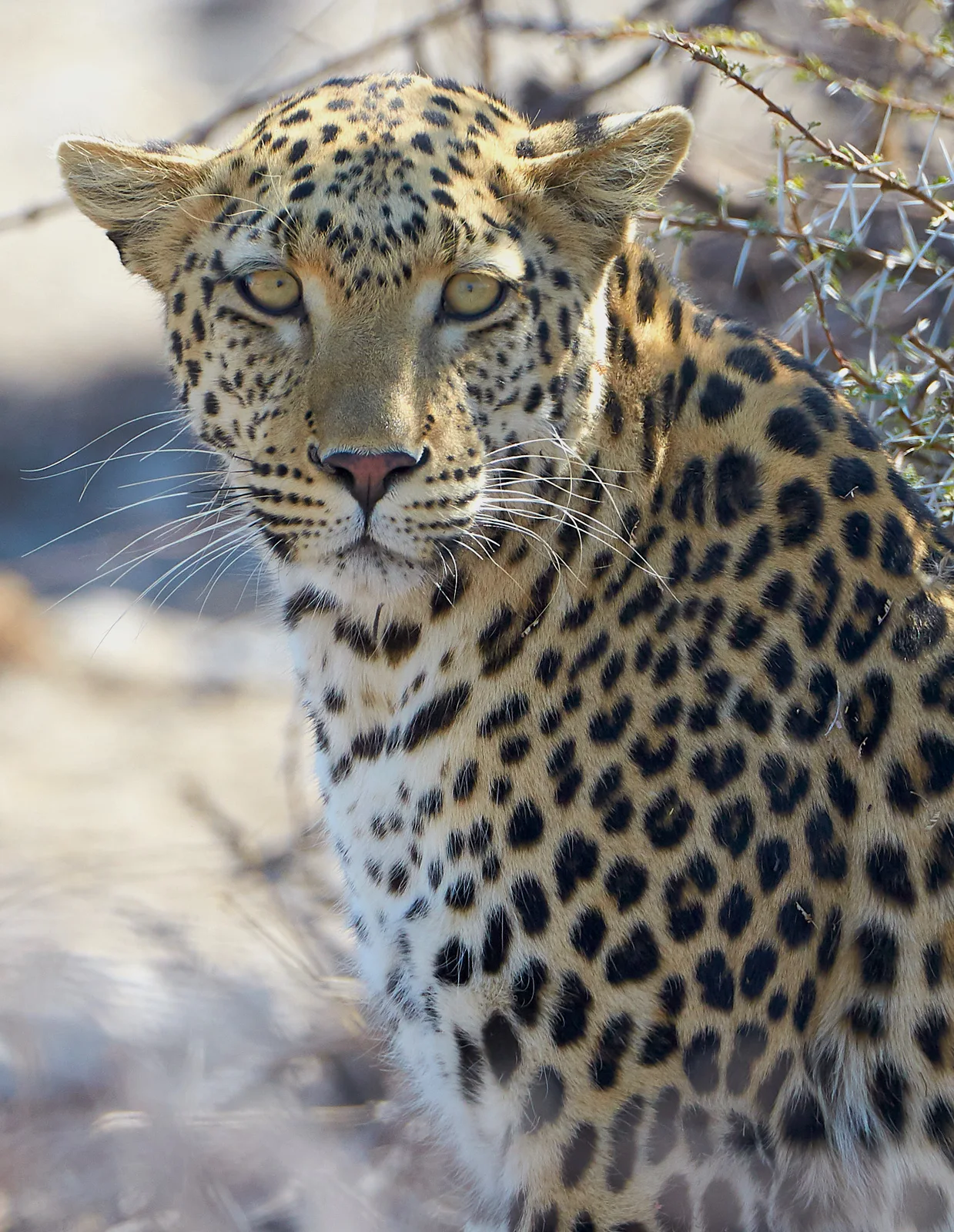
Leopard
Panthera pardus
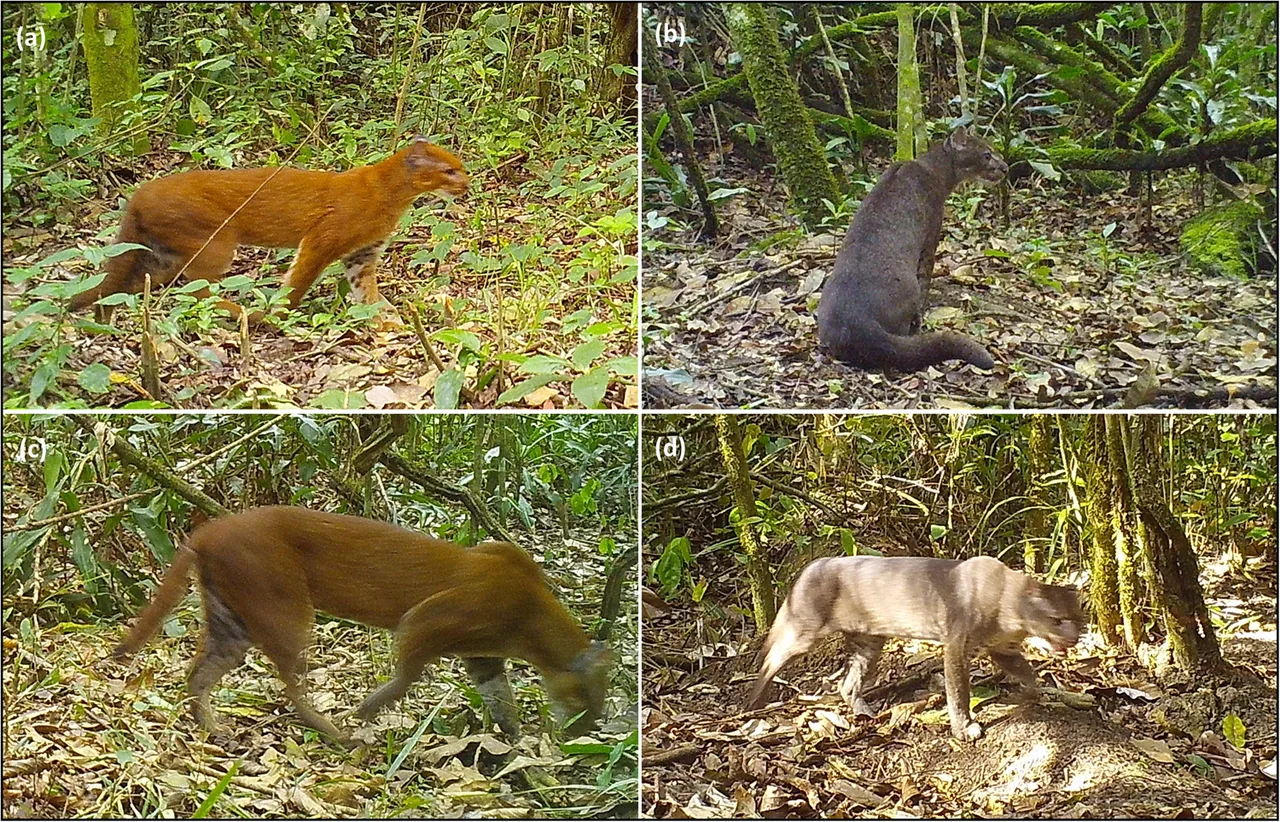
African Golden Cat
Caracal auratus
Evidence from the profiles
Compare their characteristics
| Trait | Leopard | African Golden Cat |
|---|---|---|
| Physical traits | Dark rosettes cover most of the coat, while the face and limbs have smaller spots. Melanistic individuals retain the same underlying pattern. | The body is robust and the coat varies between reddish and grayish forms. Spotting can be more visible on some parts of the body. |
| Habitat and range | Leopards use forest, woodland, savanna and rocky country. Cover and opportunities to stalk prey matter more than any single vegetation type. | Dense African forest and secondary growth provide cover and hunting habitat. |
| Diet and nutrition | Prey includes mammals of varied sizes. Hunting choices reflect local availability rather than one universal prey species. | Rodents and other forest mammals are important prey. Birds and additional small animals may also be taken. |
| Behavior and activity | Adults usually live alone and communicate through scent marks and calls. A leopard approaches prey closely before a short attack. | It is generally solitary and difficult to observe in dense cover. Sparse observations should not be treated as a complete account of its daily behavior. |
| Reproduction and life cycle | Females rear dependent cubs in sheltered sites. Young learn to hunt before becoming independent. | Data unavailable |
| Geographic distribution | The species occurs in Africa and parts of Asia. Its current distribution is fragmented; a historical range should not be read as continuous present-day occupancy. | The Mammal Diversity Database v2.5 records this species in Angola, Cameroon, Central African Republic, Cote d'Ivoire, Democratic Republic of the Congo, Equatorial Guinea, Gabon, Ghana, Guinea, Liberia, Nigeria, Republic of the Congo, Sierra Leone, Uganda, Benin?, Burundi?, Gambia?, Guinea-Bissau?, Kenya?, Rwanda?, Senegal?, Sudan?, Togo?. |
| Ecological role | Leopards are predators within diverse food webs and compete with other large carnivores. | Data unavailable |
| Distinctive adaptations | Climbing ability, camouflage and flexible hunting behavior help leopards exploit varied landscapes. | Data unavailable |
| Conservation | Habitat loss, persecution and depletion of prey threaten populations. Regional conditions differ; this account does not assign a new Red List category. | Data unavailable |
Classification
Shared ancestry
Closest shared taxon: Felidae.
Explore the taxonomy ↗