 Living Beings
Compare species
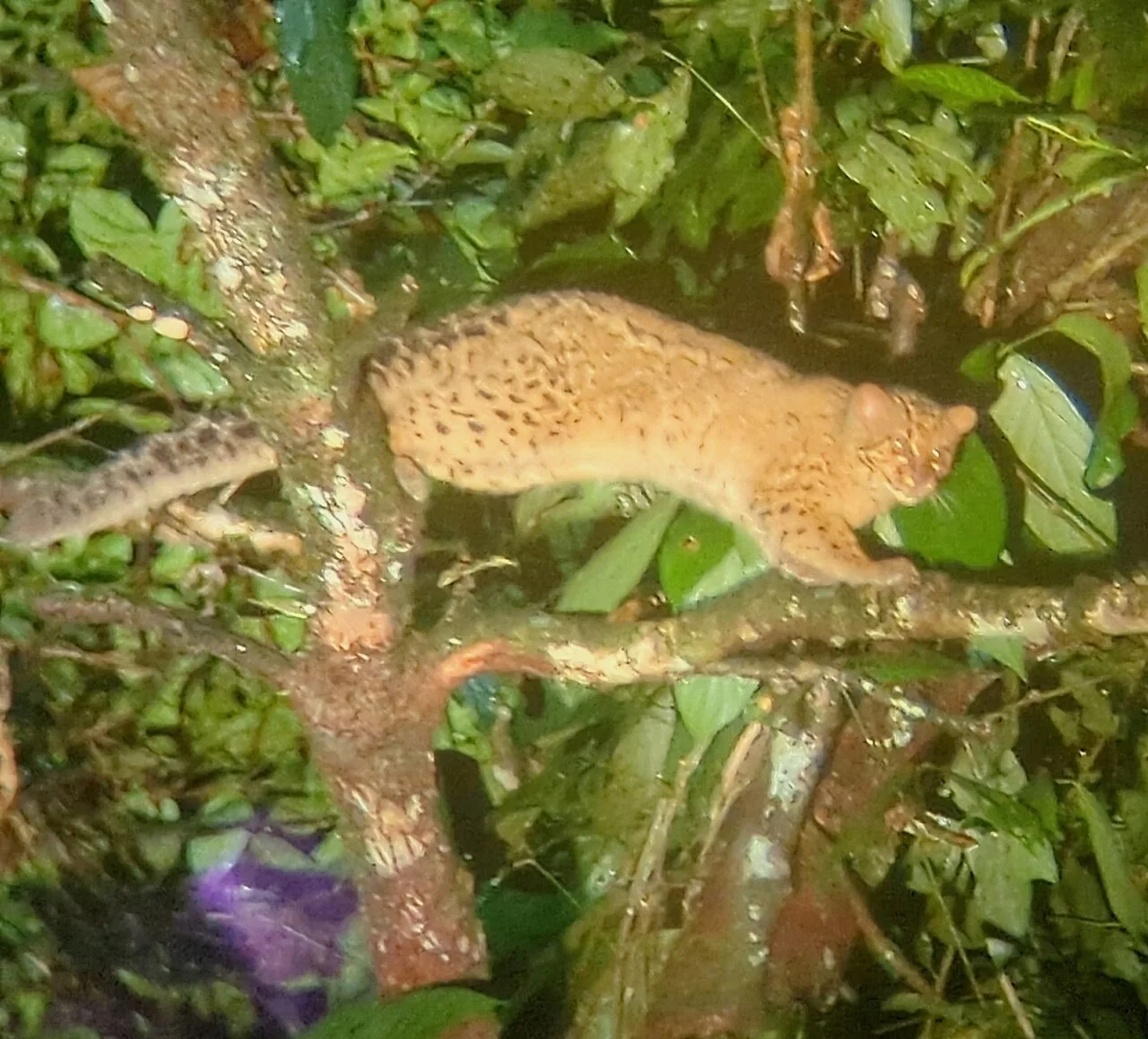
Marbled Cat
Pardofelis marmorata
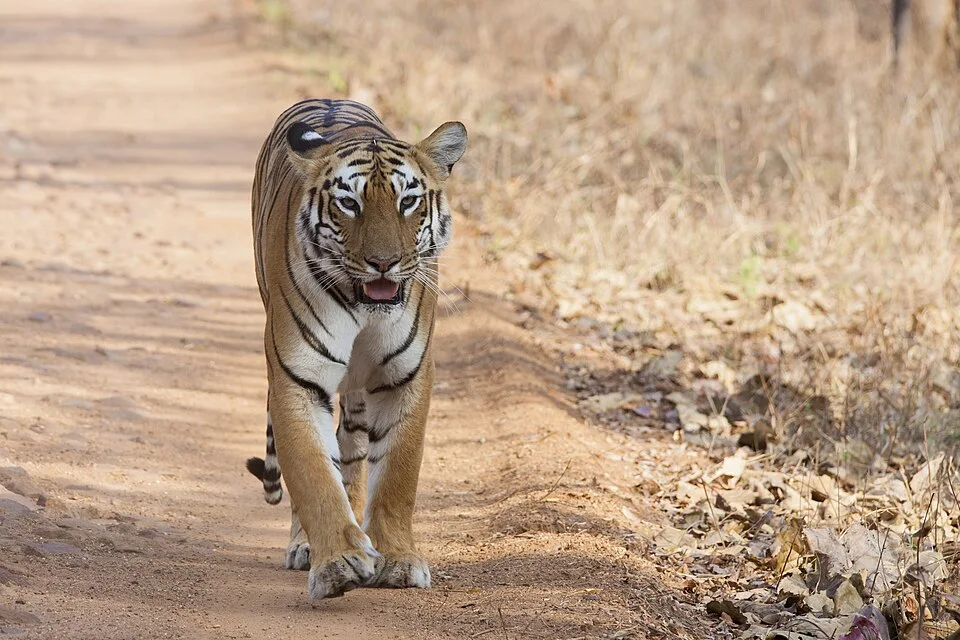
Tiger
Panthera tigris
Evidence from the profiles
Compare their characteristics
| Trait | Marbled Cat | Tiger |
|---|---|---|
| Nutrition | Data unavailable | Carnivorous Source ↗ |
| Social organization | Data unavailable | Generally solitary Source ↗ |
| Physical traits | Irregular dark markings give a marbled appearance, while a long tail suits movement through complex vegetation. | Dark stripes break up the tiger’s outline. Stripe patterns vary from one individual to another. |
| Habitat and range | Forested habitats provide cover and opportunities for climbing. | Tigers live in varied habitats, including tropical forests, mangrove swamps and temperate forest. |
| Diet and nutrition | Published accounts suggest birds and small mammals are important prey, but detailed wild diet studies remain limited. | Tigers mainly hunt large mammals, including deer and wild pigs. |
| Behavior and activity | Climbing ability is pronounced. Captive observations can illustrate movement but should not be treated as a complete description of behavior in the wild. | A tiger usually hunts by stalking its prey and attacking at close range. |
| Geographic distribution | The Mammal Diversity Database v2.5 records this species in Bangladesh, Bhutan, Brunei, Cambodia, China, India, Indonesia, Laos, Malaysia, Myanmar, Nepal, Thailand, Vietnam. | Data unavailable |
Classification
Shared ancestry
Closest shared taxon: Felidae.
Explore the taxonomy ↗