 Living Beings
Compare species
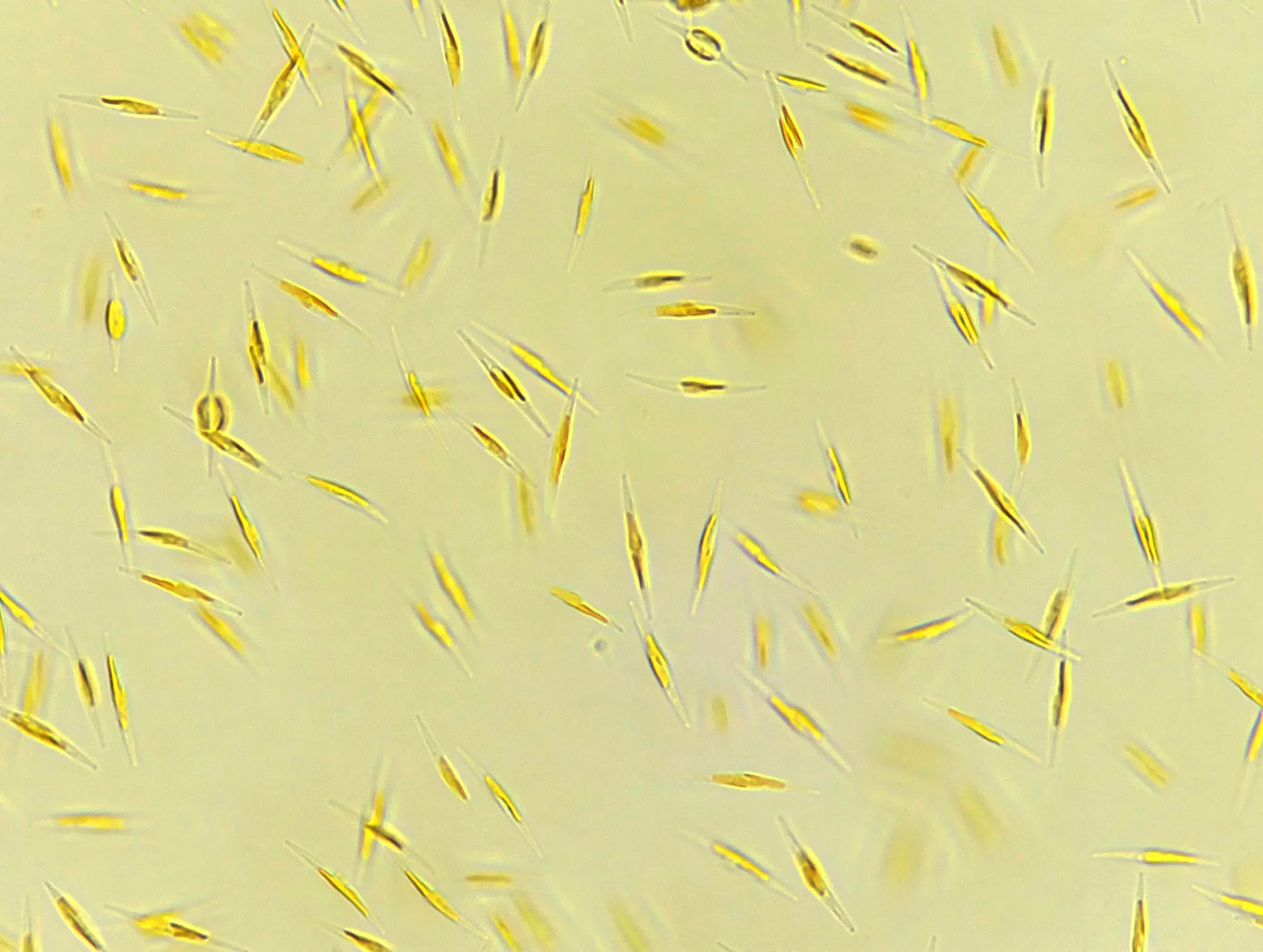
Phaeodactylum tricornutum
Phaeodactylum tricornutum
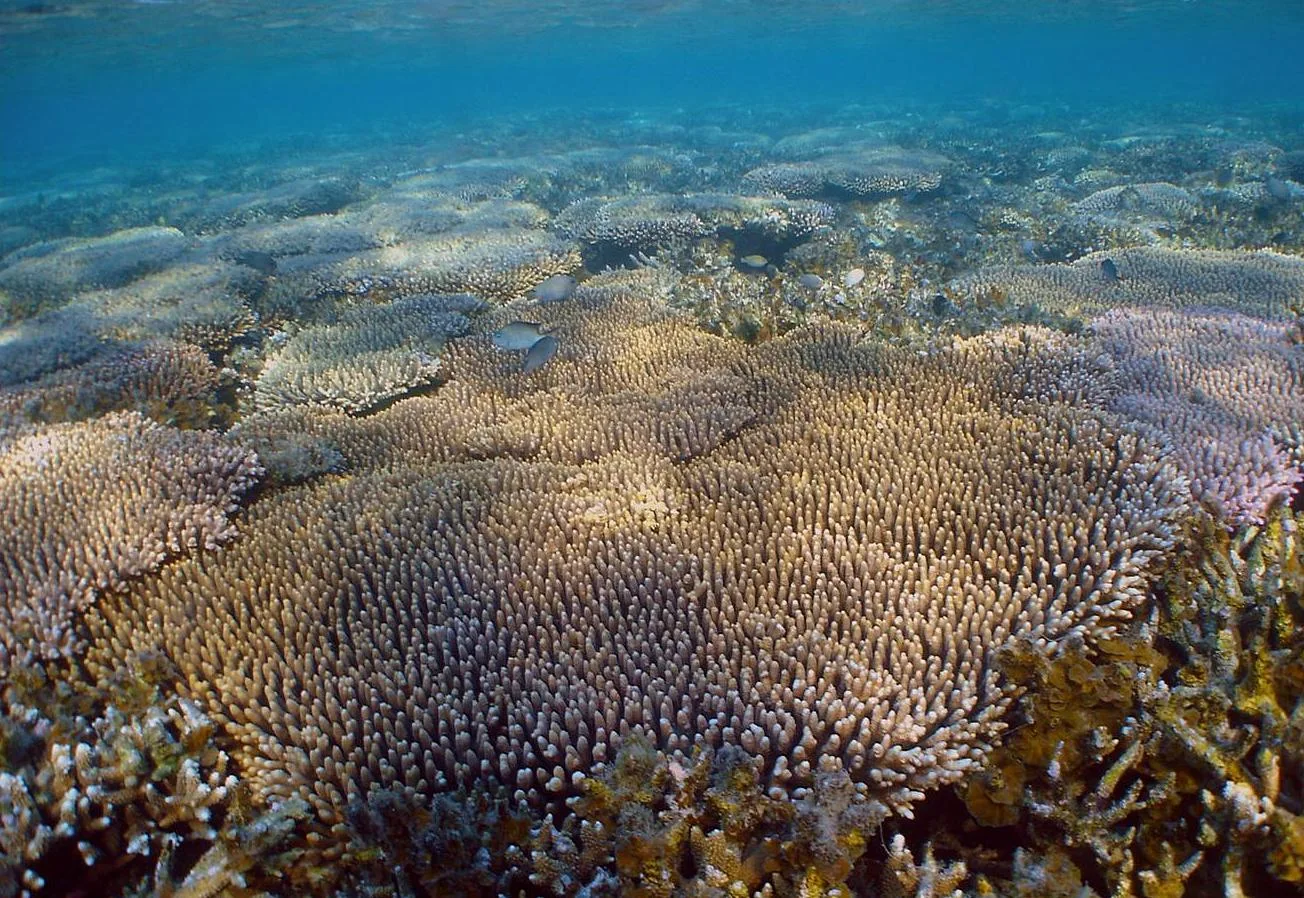
Acropora millepora
Acropora millepora
Evidence from the profiles
Compare their characteristics
| Trait | Phaeodactylum tricornutum | Acropora millepora |
|---|---|---|
| Physical traits | This diatom can occur as oval, spindle-shaped or three-armed cells. A comparison of the Pt3 strain showed shared features of the plastid, nucleus and cytoskeleton across those forms, alongside differences in protein secretion. The oval form released proteins faster in that experiment, showing that changes in outline can accompany functional differences. | Colonies form branching structures covered by small skeletal cups that house polyps. Colony color alone is insufficient for secure species identification. |
| Habitat and range | Marine and coastal-associated culture conditions support this model diatom. Strain and environmental conditions affect the observed growth form. | Shallow, well-lit marine reef environments support the coral and its photosynthetic partners. |
| Diet and nutrition | Photosynthesis fixes inorganic carbon, with dissolved nutrients supplying the other materials needed for growth. | Polyps capture small suspended food, while algal symbionts contribute photosynthetic products. |
| Behavior and activity | Cells respond to changing resources and conditions through physiological and morphological variation. | Tentacles and mucus help the colony interact with surrounding seawater. Recognition mechanisms influence responses to microbes. |
| Reproduction and life cycle | Vegetative cell division expands cultures. This account does not infer a sexual schedule merely from that of other diatoms. | Colonies grow by producing additional polyps. Sexual reproduction can release gametes that develop into settling larvae. |
| Geographic distribution | Authenticated isolates have individual collection records; their laboratory distribution should not be used as a global occurrence map. | The species occurs in the Indo-Pacific reef region. Species-level locality records should accompany detailed range mapping. |
| Ecological role | Diatoms participate in aquatic primary production and nutrient cycling, with species differing in physiology and structure. | Skeletal growth contributes reef structure and habitat. Symbiotic interactions are central to energy supply and colony health. |
| Distinctive adaptations | A genome shaped by gene-family changes and ancient gene transfers provides a varied metabolic repertoire. | A colonial body and partnerships with photosynthetic cells support growth in well-lit reef environments. |
| Conservation | Data unavailable | Thermal stress, bleaching and degradation of reef habitat are concerns. A source on molecular recognition does not establish a current Red List category. |
Classification
Shared ancestry
Closest shared taxon: Eukaryota.