 Living Beings
Compare species
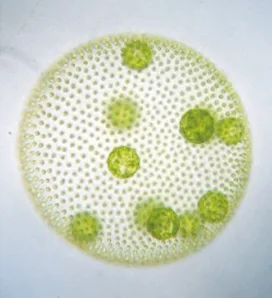
Volvox carteri
Volvox carteri
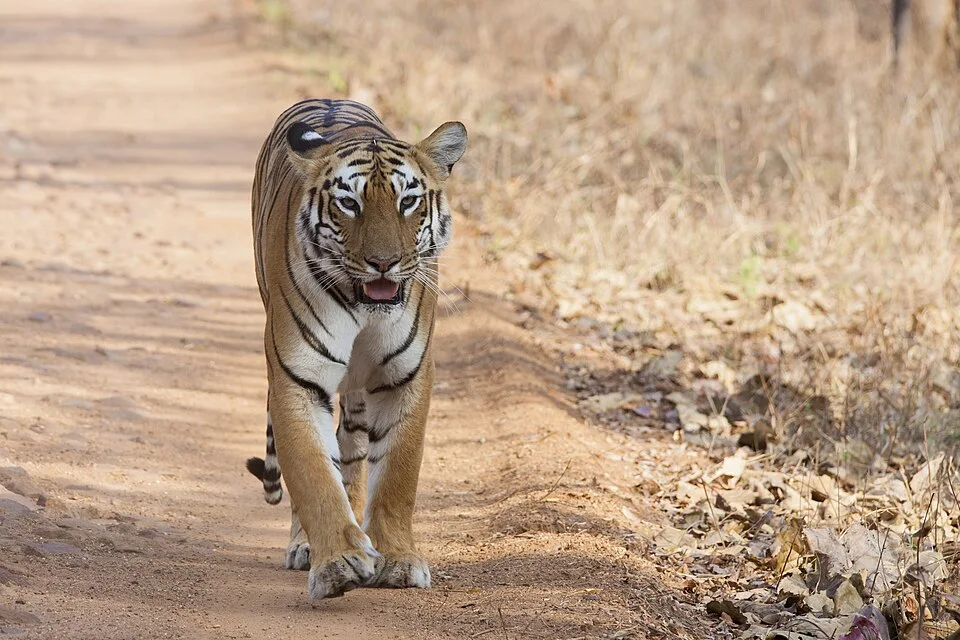
Tiger
Panthera tigris
How to compare two organisms
Choose two species and trace their closest shared group. Then compare a trait with the same definition on each side. Check the units, life stage and context before interpreting a measurement or range.
Missing data means that the collection lacks a sourced value. Where a characteristic does not apply to a lineage, the comparison labels it separately. Open the two profiles for context and follow their sources before drawing a conclusion.
Evidence from the profiles
Compare their characteristics
| Trait | Volvox carteri | Tiger |
|---|---|---|
| Nutrition | Data unavailable | Carnivorous Source ↗ |
| Social organization | Not applicable | Generally solitary Source ↗ |
| Physical traits | Many small cells form the surface of a spheroid held together by extracellular material. Larger developing daughter spheroids can be visible inside. | Dark stripes break up the tiger’s outline. Stripe patterns vary from one individual to another. |
| Habitat and range | A freshwater organism. The cited field study established cultures from water samples collected in northern Taiwan. | Tigers live in varied habitats, including tropical forests, mangrove swamps and temperate forest. |
| Diet and nutrition | Green cells carry out photosynthesis, using light to support growth. | Tigers mainly hunt large mammals, including deer and wild pigs. |
| Behavior and activity | Surface cells contribute to movement and responses to light, while reproductive cells have a different developmental role. | A tiger usually hunts by stalking its prey and attacking at close range. A tiger can communicate without meeting another tiger directly. Scratches and scent marks leave information at places another animal may visit later. In addition to stalking on land, tigers can swim well and have been observed hunting in water. |
| Reproduction and life cycle | Reproductive cells generate new spheroids during asexual growth. Sexual development introduces male and female forms, with variation documented among natural strains. | Young tigers stay with their mother while developing the skills needed to take prey. This prolonged period of dependence is consistent with an adult life that is generally solitary. A photograph of a female with cubs therefore describes an important life stage rather than a permanent social group. |
| Geographic distribution | Natural populations are documented in Taiwan as well as previously studied Japanese material. Laboratory strains do not define the entire species range. | Data unavailable |
| Distinctive adaptations | Specialization of cell types illustrates division of labor within a single multicellular lineage. As a green alga it belongs within the source-backed green-plant lineage, not an invented catch-all kingdom. | Individual stripe patterns have practical value to field researchers. Paired cameras can photograph the sides of a passing tiger, and repeated images of the same pattern can identify the same animal. A sequence of detections across sampling locations can support a population estimate. |
Classification
Shared ancestry
Closest shared taxon: Eukaryota.