 Living Beings
Compare species
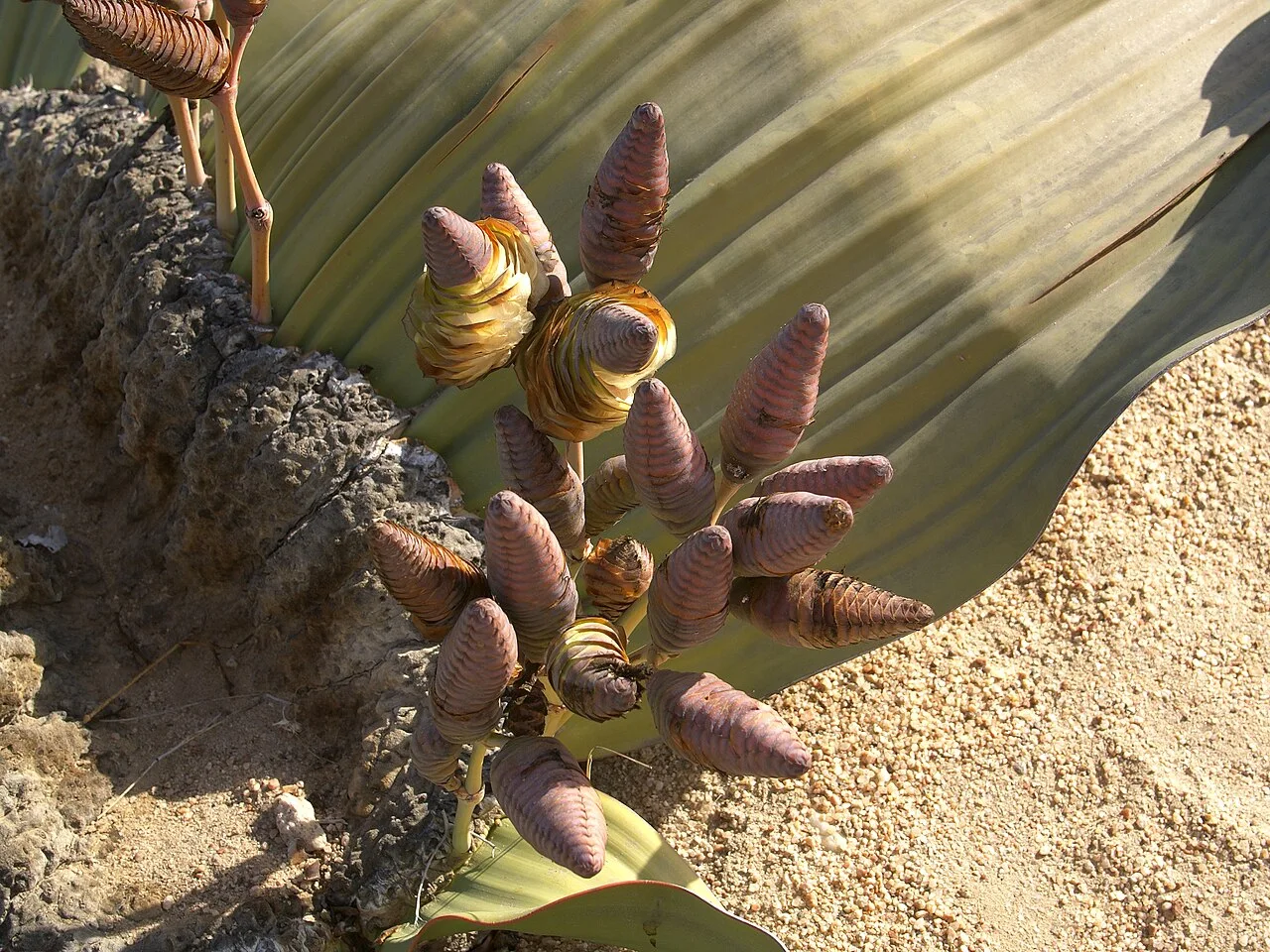
Welwitschia
Welwitschia mirabilis
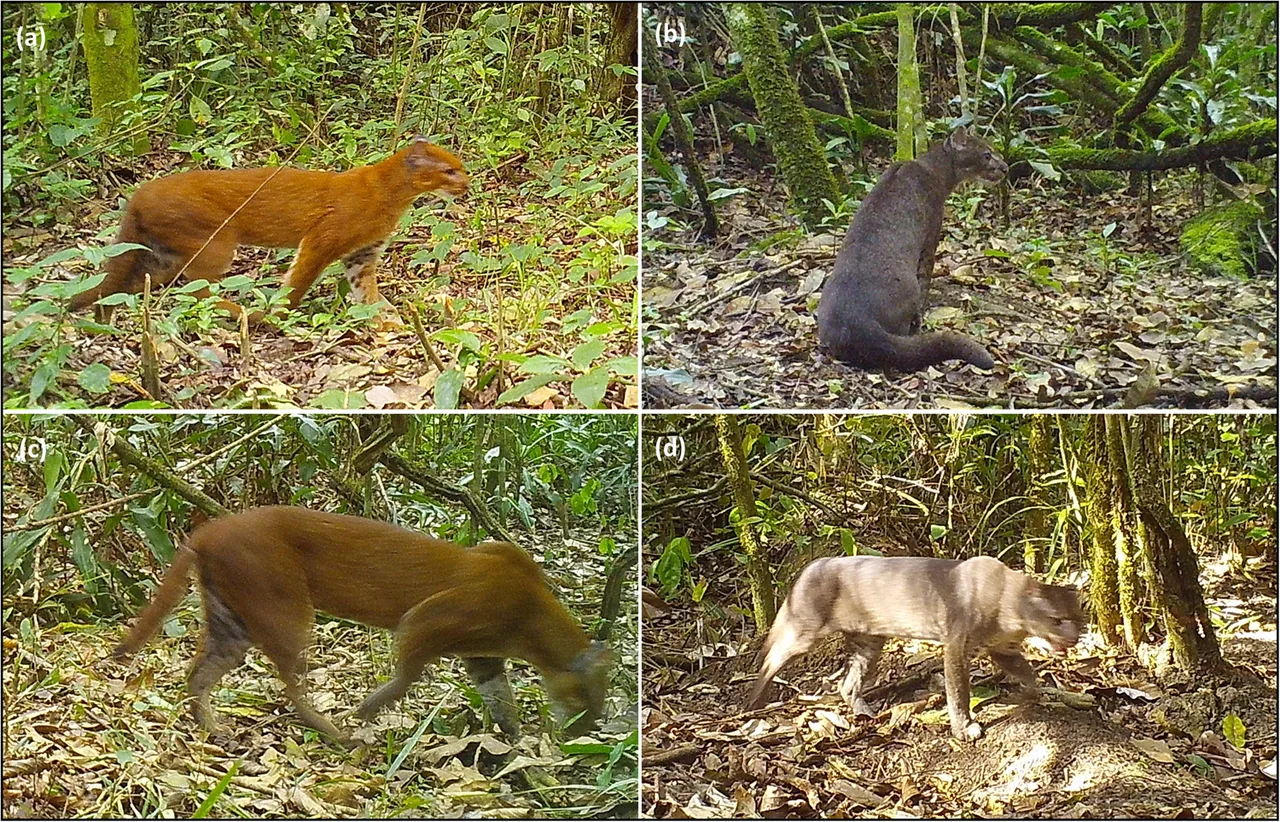
African Golden Cat
Caracal auratus
How to compare two organisms
Choose two species and trace their closest shared group. Then compare a trait with the same definition on each side. Check the units, life stage and context before interpreting a measurement or range.
Missing data means that the collection lacks a sourced value. Where a characteristic does not apply to a lineage, the comparison labels it separately. Open the two profiles for context and follow their sources before drawing a conclusion.
Evidence from the profiles
Compare their characteristics
| Trait | Welwitschia | African Golden Cat |
|---|---|---|
| Physical traits | A low, woody stem supports two long strap-like leaves. Torn leaf tips can create the impression of many leaves, although the underlying arrangement remains a pair. | The body is robust and the coat varies between reddish and grayish forms. Spotting can be more visible on some parts of the body. |
| Habitat and range | Arid landscapes of the Namib region expose plants to intense sun, wind and scarce, irregular water. | Dense African forest and secondary growth provide cover and hunting habitat. |
| Diet and nutrition | The persistent green leaves carry out photosynthesis. Water availability includes moisture in the soil; the plant should not be described as depending exclusively on direct fog absorption. | Rodents and other forest mammals are important prey. Birds and additional small animals may also be taken. |
| Behavior and activity | Data unavailable | It is generally solitary and difficult to observe in dense cover. Sparse observations should not be treated as a complete account of its daily behavior. |
| Reproduction and life cycle | Male and female cones occur on different plants. Insects visit the reproductive structures, and winged seeds provide a means of dispersal. | Data unavailable |
| Geographic distribution | Native to Namibia and Angola. Its unusual form belongs to a geographically restricted desert lineage. | The Mammal Diversity Database v2.5 records this species in Angola, Cameroon, Central African Republic, Cote d'Ivoire, Democratic Republic of the Congo, Equatorial Guinea, Gabon, Ghana, Guinea, Liberia, Nigeria, Republic of the Congo, Sierra Leone, Uganda, Benin?, Burundi?, Gambia?, Guinea-Bissau?, Kenya?, Rwanda?, Senegal?, Sudan?, Togo?. |
| Ecological role | Its survival strategy illustrates a distinctive response to desert conditions, rather than a plant that has stopped evolving. | Data unavailable |
| Distinctive adaptations | Continued growth from protected leaf bases allows the same foliage to persist despite damage at its exposed ends. | Data unavailable |
Classification
Shared ancestry
Closest shared taxon: Eukaryota.