 Living Beings

 Framed for display
Species · Zea
Maize
Zea mays
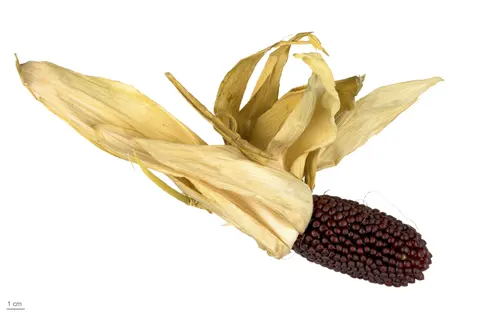
Maize is a domesticated grass whose large ears contain rows of kernels. Pollen-producing tassels and seed-bearing ears are separate structures on the …
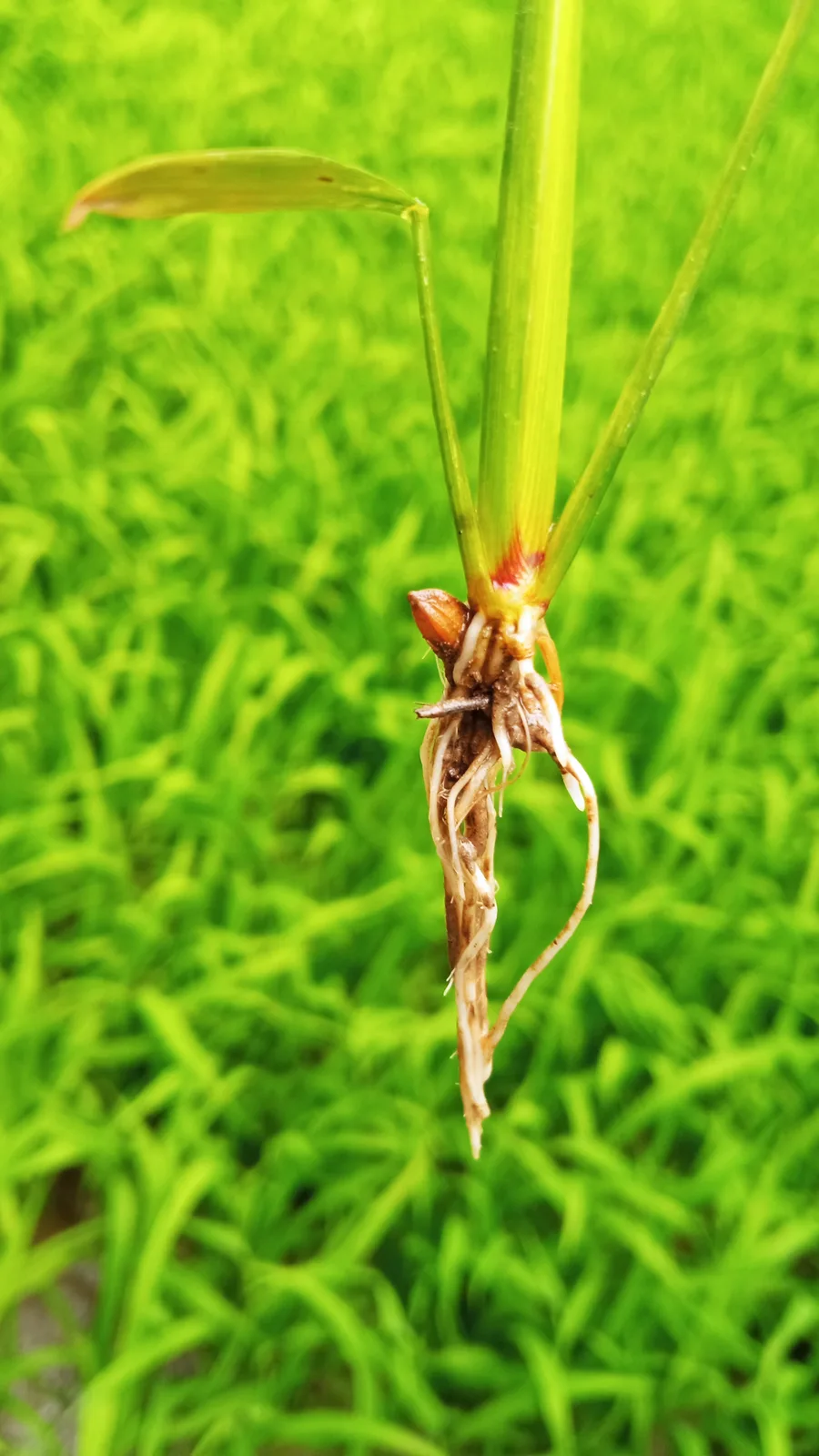
Oryza sativa (Asian rice)- Root.jpg · Resized and converted to WebP for display. Source-identified documentary image; see the original file for method and context. AI-generated illustration. Debdas Gain · CC BY-SA 4.0
Field guide · species
Oryza sativa L., 1753
Asian rice is an annual grass cultivated for its grains. It grows as a clump of shoots and produces a branching flowering head, with many cultivated forms adapted to different water and seasonal regimes.
Public research profile · final editorial review pending.
Complete source lineage, including intermediate ranks. The standard view uses Life and the eight principal ranks.
Narrow leaves arise from tillers. Small flowers develop in a branched panicle, followed by grains enclosed by husks.
Many rice systems use wet or flooded ground, but cultivation methods and water requirements vary among varieties.
Photosynthesis supports vegetative growth and grain filling. The seed endosperm stores carbohydrates used by a germinating seedling.
Tillering increases shoot number, while flowering and grain maturation depend on cultivar and growing conditions.
Plants grow from seed, flower and produce a new grain crop. The normal cultivated cycle is annual.
The species is cultivated throughout many warm regions. Its distribution reflects domestication and agricultural movement rather than a simple wild range.
Rice fields form managed ecosystems with aquatic and terrestrial organisms whose composition depends on farming practice.
Cultivated diversity includes contrasting responses to water availability and seasonal timing.
Maintaining crop genetic diversity and wild relatives is an important conservation task; Oryza glaberrima is a different cultivated rice species.
Shared classification
Framed for display
Zea mays
Maize is a domesticated grass whose large ears contain rows of kernels. Pollen-producing tassels and seed-bearing ears are separate structures on the …
Evidence
Connected life
No reviewed ecological connections in the collection yet.
Explore network ↗