 Living Beings

 Framed for display
Species · Oryza
Asian Rice
Oryza sativa
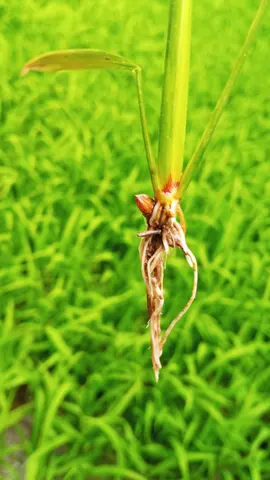
Asian rice is an annual grass cultivated for its grains. It grows as a clump of shoots and produces a branching flowering …
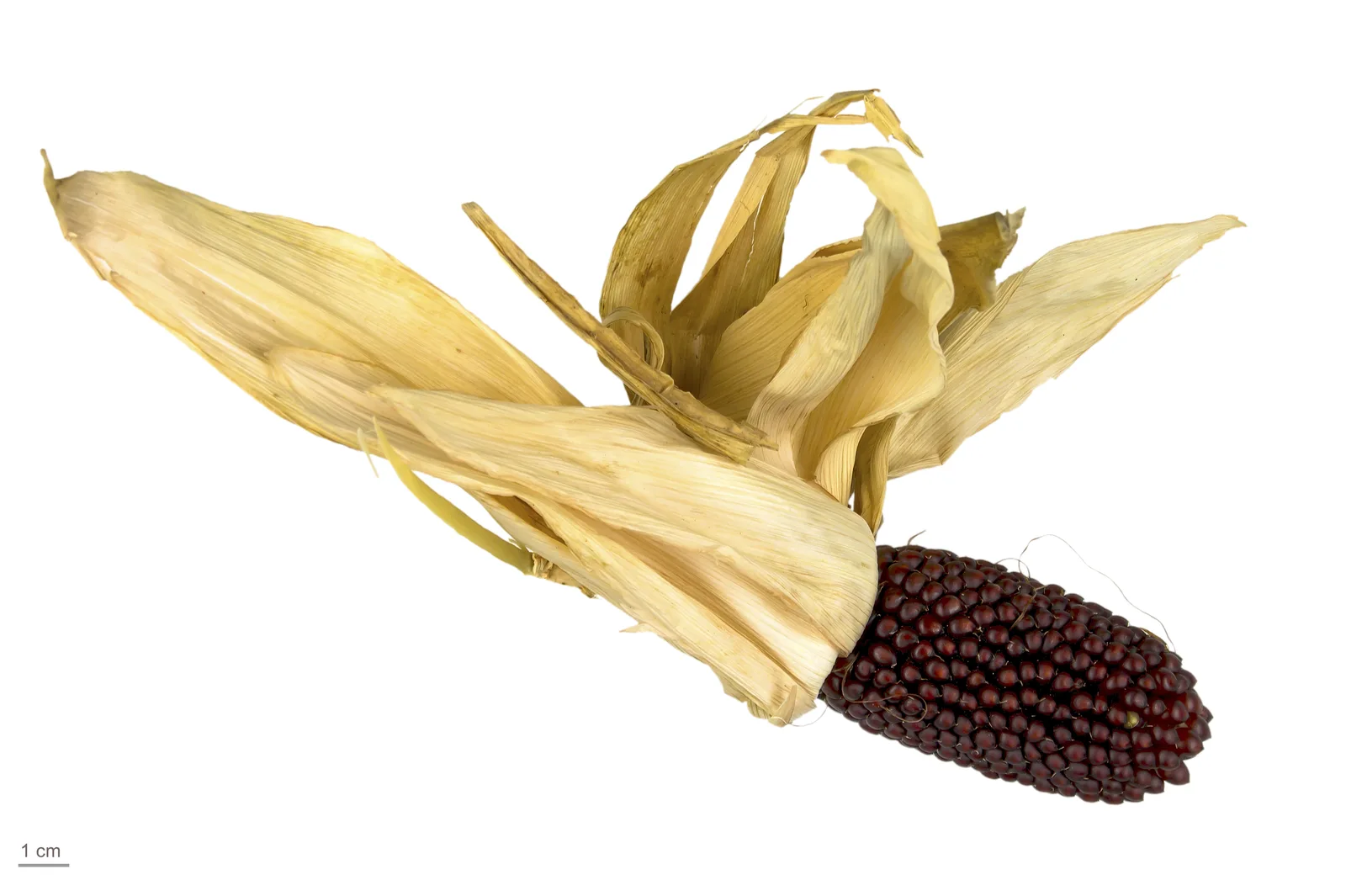
Zea mays Strawberry MHNT.BOT.2018.28.29.jpg · Resized and converted to WebP for display. Source-identified documentary image; see the original file for method and context. AI-generated illustration. Roger Culos · CC BY-SA 3.0
Field guide · species
Zea mays L., 1753
Maize is a domesticated grass whose large ears contain rows of kernels. Pollen-producing tassels and seed-bearing ears are separate structures on the same plant, making its reproductive organization especially visible.
Public research profile · final editorial review pending.
Complete source lineage, including intermediate ranks. The standard view uses Life and the eight principal ranks.
An upright stem carries broad leaves. Tassels form near the top, while ears develop in leaf axils.
Cultivation depends on suitable warmth, light, water and soil conditions. Different cultivars are adapted to different growing environments.
Leaves produce sugars that support growth and developing kernels. Mature grain stores substantial reserves for germination.
Flowering and grain filling respond to seasonal conditions. Wind moves pollen between tassels and receptive silks.
A seed germinates into an annual plant. Fertilization through the silks leads to kernels on the ear, each representing a separate developing grain.
Maize is cultivated widely outside its American domestication region. Agricultural range should be distinguished from native wild-relative distributions.
Maize is central to agricultural food webs and supplies food and habitat for many associated organisms.
Domestication has concentrated large numbers of kernels on ears, accompanied by extensive cultivar diversity.
Preserving landraces, breeding resources and wild relatives is different from assessing crop abundance.
Shared classification
Framed for display
Oryza sativa
Asian rice is an annual grass cultivated for its grains. It grows as a clump of shoots and produces a branching flowering …
Evidence
Connected life
No reviewed ecological connections in the collection yet.
Explore network ↗