 Living Beings
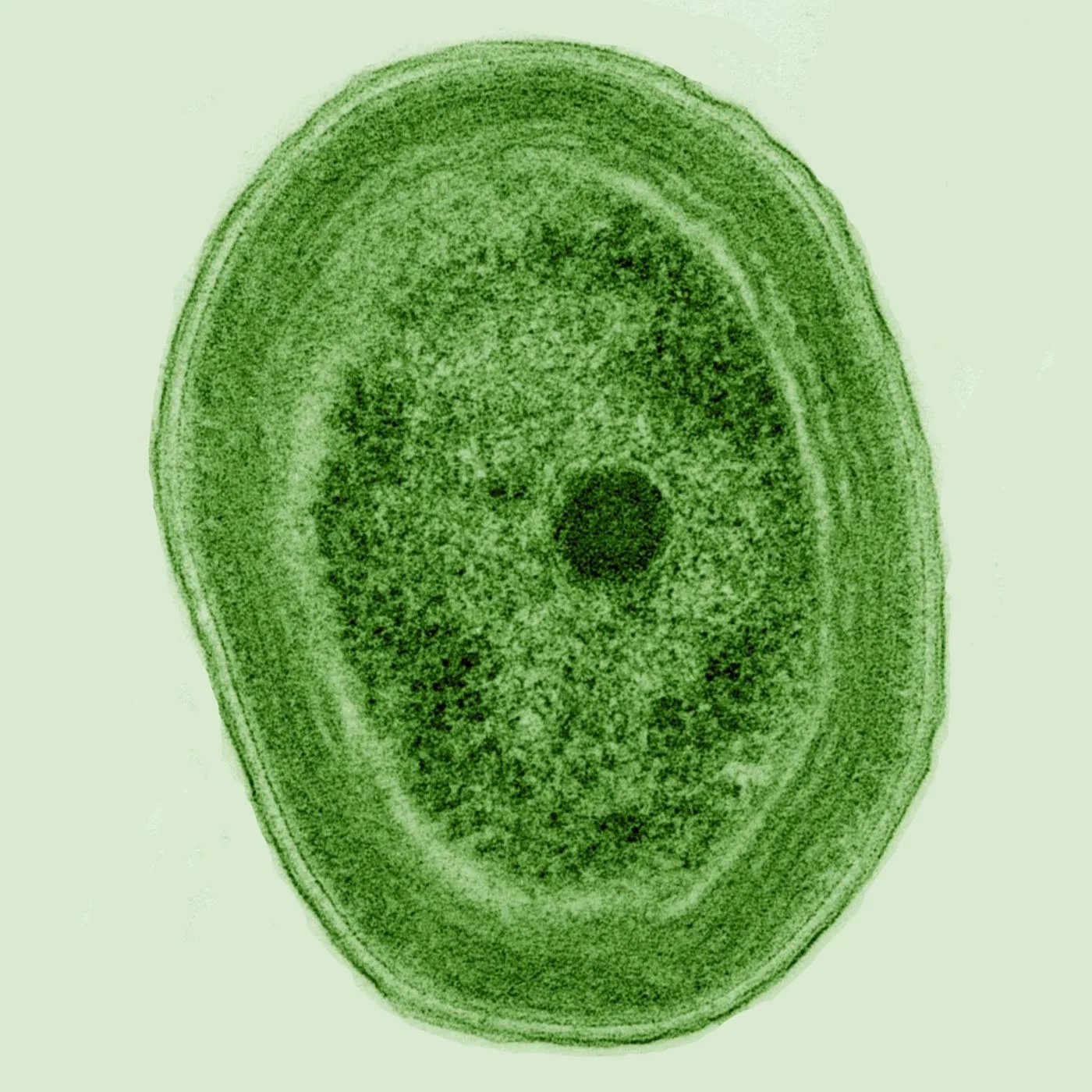
Prochlorococcus marinus (cropped).jpg · Resized and converted to WebP for display. Source-identified documentary image; see the original file for method and context. AI-generated illustration. Luke Thompson from Chisholm Lab and Nikki Watson from Whitehead, MIT · CC0

Field guide · species
Prochlorococcus marinus
Chisholm et al. 2001
Prochlorococcus marinus represents extraordinarily small photosynthetic cyanobacteria in the ocean. Closely related ecotypes differ in their responses to light and resources, so one cultured strain is not a complete stand-in for the whole group.
Public research profile · final editorial review pending.
Tree of lifeScientific lineage
- LifeLife
- DomainBacteria
- KingdomBacillati
- PhylumCyanobacteriota
- ClassCyanophyceae
- OrderSynechococcales
- FamilyProchlorococcaceae
- GenusProchlorococcus
- SpeciesProchlorococcus marinus
Advanced classification
Complete source lineage, including intermediate ranks. The standard view uses Life and the eight principal ranks.
- cellular organisms cellular root
- Bacteria domain
- Bacillati kingdom
- Cyanobacteriota/Melainabacteria group clade
- Cyanobacteriota phylum
- Cyanophyceae class
- Synechococcales order
- Prochlorococcaceae family
- Prochlorococcus genus
- Prochlorococcus marinus species
Structure and identification
Individual cells are tiny and require microscopy or other analytical methods for study. Pigments and genetic markers assist identification.
Habitat and range
Illuminated marine waters support these phototrophs. Different ecotypes occupy contrasting light and nutrient conditions.
Nutrition and metabolism
Photosynthesis supplies energy and fixes inorganic carbon. Dissolved nutrients remain necessary for growth.
Biological activity
Physiological performance depends on environmental light and resource availability; ecotypes have distinct genome and protein signatures.
Reproduction and life cycle
Growth increases cell number through division. Ecotypes describe biological variation, not separate life stages of one cell.
Geographic distribution
The group is important in warm oceanic waters. Ecotype-specific records are more informative than a uniform global range.
Ecological role
These cells contribute primary production to marine microbial food webs and biogeochemical cycling.
Distinctive adaptations
Small cells and differentiated light responses help explain ecological success in dilute ocean environments.
Evidence
Sources
Connected life
Relationships
No reviewed ecological connections in the collection yet.
Explore network ↗