 Living Beings
 Framed for display
Compare species
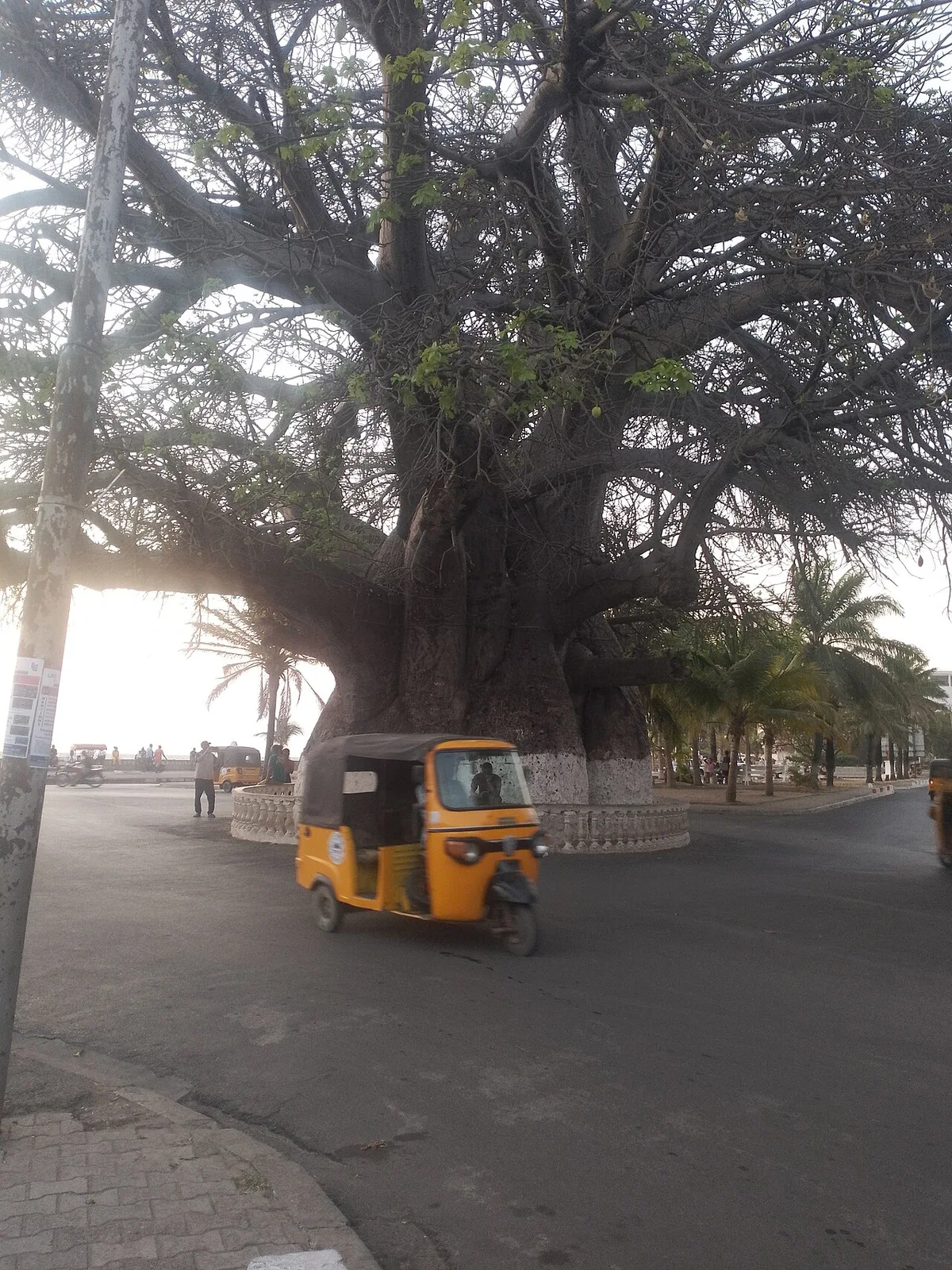
African Baobab
Adansonia digitata
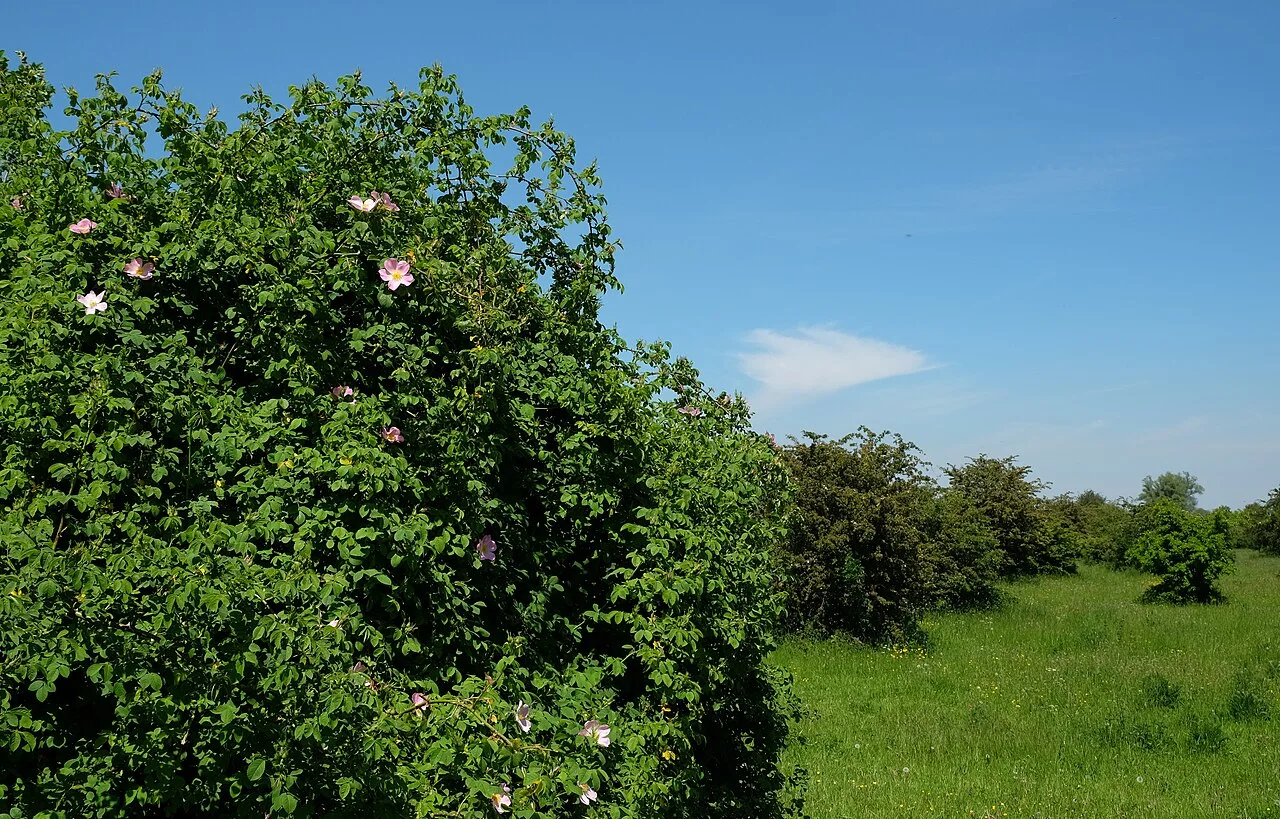
Dog Rose
Rosa canina
How to compare two organisms
Choose two species and trace their closest shared group. Then compare a trait with the same definition on each side. Check the units, life stage and context before interpreting a measurement or range.
Missing data means that the collection lacks a sourced value. Where a characteristic does not apply to a lineage, the comparison labels it separately. Open the two profiles for context and follow their sources before drawing a conclusion.
Classification
Shared ancestry
Closest shared evolutionary group · rosids.
Separate lineages
Biological comparison
Compare like with like. A mean, a range and a reported maximum summarize different things. Check the population and field or study conditions before interpreting differences.
| Characteristic | African Baobab | Dog Rose |
|---|---|---|
| Scientific measurements | ||
| Tree height |
28 m
Reported maximum · Mature tree Source and measurement contextUpper height in the Kew account. The account says most reach no more than about 20 m. · ≈ 92 ft Vertical height of a mature tree in the source conditions.
| Not recorded |
| Flower diameter | Not recorded |
3.5–5 cm
Reported range Source and measurement contextDiameter across the open flower described in the flora treatment. · ≈ 1.4–2 in Width across an open flower. Flora of North America · Dog rose ↗ Flowers |
| Natural history | ||
| Nutrition and energy acquisition |
Leaves produce sugars through photosynthesis. Water and mineral nutrients are taken up through the roots. Source 1 ↗ |
Green foliage fixes carbon through photosynthesis. The woody plant obtains water and minerals through its roots. Source 1 ↗Source 2 ↗ |
| Habitat |
A terrestrial tree of tropical Africa, it is adapted to seasonally dry conditions and is also planted in gardens and settlements. Source 1 ↗ |
Woodland margins, hedges and grassland provide neighboring plants through which the stems can scramble. Source 1 ↗Source 2 ↗ |
| Geographic distribution |
Native to Africa and cultivated elsewhere. The accompanying photograph shows a planted specimen in Madagascar; that location should not be confused with the native range of every baobab species. Source 1 ↗ |
Native in Britain and present across a wider Eurasian range. Garden planting and natural occurrence should be distinguished when interpreting a local record. Source 1 ↗Source 2 ↗ |
| Morphology |
Thick, fibrous bark surrounds a broad trunk. Each compound leaf has several leaflets radiating from a central point. Source 1 ↗ |
Long, arching stems can lean through neighboring vegetation. Flowers have an open form, and the later hips are oval rather than resembling a fleshy orchard rose bloom. Source 1 ↗Source 2 ↗ |
| Reproduction and life cycle |
Large, hanging white flowers develop into capsules containing seeds embedded in pale, powdery pulp. New trees can be grown from seed. Source 1 ↗ |
Flowers are followed by seed-bearing hips that can remain conspicuous after the flowering season. The visible hip surrounds the small fruits within. Source 1 ↗Source 2 ↗ |
| Ecological role |
Its flowers, fruit and extensive woody structure provide biological resources. The familiar name baobab also applies to other species, which should not be confused with this one. Source 1 ↗ |
Seasonal flowers and persistent hips make the plant part of a changing hedgerow habitat. Similar rose species can require closer botanical examination for identification. Source 1 ↗Source 2 ↗ |
| Behavior and activity |
No separate account recorded |
No separate account recorded |
| Environmental adaptations |
A substantial trunk and drought-resistant growth form help distinguish this tree from many humid-forest trees. Source 1 ↗ |
A scrambling growth habit lets stems reach light without forming a massive, self-supporting trunk. Source 1 ↗Source 2 ↗ |
| Conservation |
No separate account recorded |
No separate account recorded |
Sources from both profiles
More comparisons
Framed for display

 Framed for display

 Framed for display
